Sunroof Repair: A Practical DIY Guide
A comprehensive, step-by-step guide to diagnosing and repairing sunroof leaks, seals, and drains. Learn safe DIY techniques, required tools, and when to call a pro with insights from Home Repair Guide.


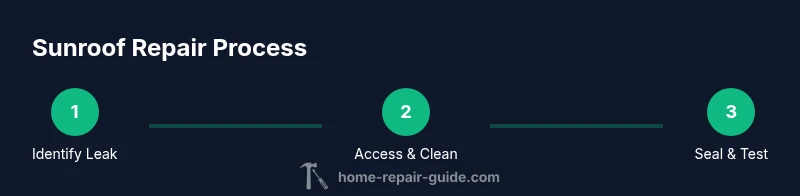
In 3 practical steps you can identify and start repairing a sunroof leak: locate the leak source, reseal or replace gaskets, and test for leaks. You'll need basic hand tools, sealant appropriate for automotive use, and a clean workspace. According to Home Repair Guide, start with a careful leak-detection pass and document damaged areas.
Understanding Sunroofs and How Leaks Occur
Sunroofs come in several configurations, including tilt/slide panels and full glass assemblies. They rely on seals around the glass, rails, and frame to keep water out and odors in. Drain channels and tubes guide water away from the roof; when those paths clog or seals degrade, water can back up and seep into the headliner. The Home Repair Guide analysis shows that most sunroof leaks arise from worn or improperly seated seals and from clogged drain tubes. Recognizing these failure points helps you target repairs without tearing apart the entire roof. When you repair a sunroof, you’re essentially restoring the barrier that keeps moisture out and ventilation in, so thorough cleaning and correct sealing are key.
Diagnosing Common Sunroof Problems
Common sunroof issues include water spots on the headliner after rain, a musty smell, or damp areas near the sunroof console. Leaks often appear at the gasket edges, around the glass, or where drain tubes exit the vehicle. A quick diagnostic test involves gently spraying water around the perimeter and watching for drips inside; you should also inspect drain tubes for kinks or clogs. Listen for abnormal wind noises that could indicate misalignment or loose components. The Home Repair Guide team notes that a precise diagnosis reduces repair time and ensures you don’t duplicate work. Document findings with photos to guide replacements and resealing.
Safety First: Set Up a Safe DIY Workspace
Before you start, park on a flat surface, engage the parking brake, and turn off electrical accessories near the headliner. Work with good lighting, use gloves and eye protection, and keep a dry, clean area around you. Remove interior trim only as needed and avoid forcing components to prevent fabric tears or painted surfaces from scratches. If you must access the headliner, support it gently to avoid bending or cracking clips. By prioritizing safety, you reduce the risk of injury and accidental damage to the vehicle interior.
Tools, Materials, and Preparation
Having the right tools on hand makes sunroof repairs more predictable and less stressful. Automotive-grade sealant is preferred over household silicone for longevity and UV resistance. Prepare cleaners to remove old sealant and oils, a soft scraper to smooth new beads, and a clean workspace to prevent dust from contaminating the seal. A basic hand tool kit is sufficient for most DIY fixes, plus a few trim removal tools for accessing the sunroof assembly. Remember to verify compatibility with your vehicle’s make and model and follow the manufacturer’s cure times for any sealant used.
Step-by-Step: Access, Clean, and Seal
If leakage comes from worn gaskets or loose seals, resealing the perimeter is often effective. Start by removing interior trim or the headliner to access the frame. Clean all mating surfaces with isopropyl alcohol and dry completely. Apply a thin, continuous bead of automotive-grade sealant along the frame where the gasket seats, then re-seat the glass and press the gasket firmly into place. Reassemble trim pieces and slowly cycle the sunroof to ensure smooth operation. Finally, perform a controlled water test and allow cure time as specified by the sealant manufacturer.
Testing and Post-Repair Maintenance
After the sealant cures, perform a thorough water test around the edges and drains to confirm a leak-free seal. Keep the interior dry during the initial test and monitor for any drips. Regular maintenance includes clearing drain tubes, inspecting the seals for hairline cracks, and reapplying sealant if you notice new leaks after heavy rain or car washing. Schedule routine checks, especially after sunroof glass replacement or roof rack installation, to catch issues before they become costly.
Authority Sources and Further Reading
For authoritative guidance, see resources from major publications and safety organizations. These sources provide general guidance on weatherproofing, automotive sealants, and leak prevention strategies: https://www.consumerreports.org/ and https://www.popularmechanics.com. While not vehicle-specific, these references support best practices in maintenance and material selection. Home Repair Guide recommends reviewing official repair manuals and manufacturer recommendations for your specific vehicle model.
Tools & Materials
- Automotive-grade sealant (urethane or silicone)(Choose a sealant compatible with metal and glass; check cure time on product label)
- Isopropyl alcohol (70% or higher)(Used to clean seals and surfaces before resealing)
- Putty knife or plastic scraper(For smoothing sealant and removing old sealant)
- Caulking gun or sealant applicator(Needed for applying bead sealant evenly)
- Gloves and safety glasses(Protect hands and eyes during repair)
- Soft cloths or rags(Cleanup and drying after cleaning)
- Screwdriver set and trim removal tools(Access panel removal if needed)
Steps
Estimated time: Estimated total time: 3-6 hours active work, plus 24 hours cure time for sealant.
- 1
Identify leak sources and gain access
Begin with a thorough visual inspection of the sunroof frame, glass, seals, and drain channels. Look for peeling sealant, cracks, or loose components. Document damaged areas with notes or photos for reference.
Tip: Use a bright flashlight and a towel to capture drips without staining interior upholstery. - 2
Prepare the interior for access
If your model requires it, carefully remove the headliner or interior trim around the sunroof to reach seals. Keep track of fasteners and take photos before disassembly.
Tip: Label screws and remember their original positions to ease reassembly. - 3
Clean and dry the sealing surfaces
Wipe all gasket surfaces with isopropyl alcohol to remove oils and old sealant. Ensure the frame and glass contact edges are completely dry before applying new sealant.
Tip: Do not rush drying; moisture will compromise sealant adhesion. - 4
Replace damaged seals or gaskets
If you find cracked or stretched seals, replace them with OEM-specified parts if possible. If a replacement isn’t available, plan to reseal with a quality automotive sealant.
Tip: Avoid using household silicone on critical rubber seals if not rated for automotive use. - 5
Apply a thin, continuous bead of sealant
Apply a uniform bead along the sunroof frame where the gasket seats. Smooth the bead with a damp finger or tool for a clean finish. Sealant should bridge gaps without creating excessive squeeze-out.
Tip: Work in small sections to maintain control and prevent overflow. - 6
Reassemble and re-seat the sunroof
Reinstall any trim pieces and reattach the headliner. Check that the glass panel aligns properly and that the seals are pressed firmly into place.
Tip: Move the sunroof through its travel cycle to confirm smooth operation without binding. - 7
Test for leaks and observe cure time
After reassembly, perform a controlled water test around the perimeter and drains. If sealant is used, allow the specified cure time (often 24 hours) before a full test.
Tip: Use a spray bottle or hose on a gentle stream to simulate rain without pressurizing the system. - 8
Maintenance and preventative checks
Regularly inspect seals and drains, cleaning drains to prevent clogs. Consider sealing around edges every few years or after any glass replacement.
Tip: Keep interior areas dry and promptly address any new leaks to prevent mold growth.
FAQ
Why is my sunroof leaking even after repair?
Leaks can recur if drain tubes clog again or if the sealant did not cure fully. Inspect drains and re-check the seal after the recommended cure time.
Leaks can come back if drains clog or the sealant hasn't cured yet. Recheck drains and sealant after curing.
Can I fix a sunroof leak myself, or must I hire a pro?
Small leaks from seals or drains are often DIY-friendly with proper tools and care. More complex issues—like frame damage or a cracked glass—may require a professional.
Many leaks you can fix at home, but significant damage is best left to a pro.
How long does sunroof sealant take to cure?
Cure times vary by product, but most automotive sealants need at least 24 hours before a full water test. Follow the manufacturer’s instructions.
Most sealants cure in about a day; check the label for exact times.
Do I need to remove the headliner to repair the sunroof?
In many cars you must access the seals from inside after removing the headliner. Some models allow access through trim pieces without full headliner removal.
You’ll often need to access the seals via the headliner, but it depends on your car model.
What are signs a sunroof needs replacement rather than repair?
If the glass is cracked beyond repair, or the frame is bent or badly corroded, replacement is usually the safer option.
If you see cracks or a bent frame, replacement is often the better choice.
Is it safe to use regular silicone sealant for a sunroof?
Use automotive-grade sealants designed for weatherproofing and rubber seals. Household silicone may not adhere properly or withstand UV exposure.
Avoid using regular household silicone for sunroofs; choose automotive-grade products.
Watch Video
Key Takeaways
- Inspect carefully to locate leaks first.
- Use automotive-grade sealant for durable results.
- Test with a water spray after repair.
- Document and label parts for easier reassembly.
- The Home Repair Guide team recommends consulting a pro if leaks persist.