Sunroof Repair Near Me: A Practical Guide
Learn how to diagnose, plan, and fix sunroof leaks and failures near you. This Home Repair Guide tutorial covers seals, drainage, glass, and practical options for DIY and pro help.


Sunroof repair near you typically involves diagnosing leaks, sealing tracks, replacing worn gaskets, and fixing drainage clogs. Start by identifying where water enters, check for cracked glass or damaged rails, and decide whether to patch or replace components. For best results, compare local pros and prepare a short diagnostic checklist before booking service.
Understanding Sunroof Systems
Sunroofs come in several styles, including tilt, slide, and panoramic designs. A typical unit consists of a glass panel, a frame, weather seals, drainage tubes, and a motor-driven mechanism. Proper operation hinges on a watertight seal around the edges and unobstructed drainage channels that direct water away from the interior. When you search for sunroof repair near me, you’re often choosing between DIY fixes and professional service. According to Home Repair Guide, starting with a basic understanding of your specific sunroof type helps you target the right components and avoid unnecessary disassembly. Knowing which parts wear first—seals, weatherstripping, and drainage fittings—frames your repair plan and helps you communicate clearly with a technician.
Common Sunroof Problems You Might Encounter
Common sunroof issues include water leaks, wind noise, stuck or slow-moving glass, and malfunctioning sunshade systems. Leaks most often trace to degraded seals, clogged drainage tubes, or damaged gasket material that can no longer compress tightly. Glass or track damage can also cause misalignment and additional wear. In some cases, a simple reseal or drain cleaning solves the problem, but more complex failures may require component replacement. The Home Repair Guide team notes that many leaks originate at the seals or drainage paths, not the glass itself, so starting with those areas yields the best returns.
Safety First: Before You Start
Working on a sunroof involves glass and electrical components, so prioritize safety. Park on a flat surface, apply parking brake, and disconnect the vehicle battery if you’ll touch the motor or wiring. Wear eye protection and gloves, and keep children and pets away from the work area. If you notice exposed wires, frayed harnesses, or coolant leaks around the roof liner, pause the project and consult a professional. A cautious approach reduces the risk of injury and further damage.
Tools and Materials You'll Need
As you prepare, assemble essential tools and materials to avoid mid-task trips to the store. Required items include safety gear (gloves, eye protection), a screwdriver set (Phillips and flathead), a small socket wrench, a silicone sealant compatible with automotive use, replacement seals or gaskets as needed, cleaning supplies (rags, isopropyl alcohol), a drain snake or flexible wire, and a non-marring pry tool. If your sunroof is electrically operated, a multimeter can help diagnose wiring or switch issues. Having these items on hand makes diagnosing and repairing more efficient.
Diagnosing Leaks: Where Water Wicks In
Begin by performing a controlled water test: gently spray water from the edges of the panel and interior surfaces while inspecting from inside the cabin and outside the car. Look for water trails along the headliner, pillars, or around the seal corners. Check drainage channels and tubes for cracks or blockages, and verify that the drain hoses exit under the vehicle without kinks. A flashlight or even a thin mirror can reveal slow drips you might otherwise miss. Document any spots with a marker so you can confirm post-repair success.
Seals, Gaskets, and Weather Stripping: When to Replace
Weather seals and gaskets wear with age and temperature cycles, losing tightness and allowing water intrusion. Signs you should replace seals include visible cracking, compression loss, sticky residue, or a persistent dampness after rain. When replacing gaskets, clean the mounting surfaces thoroughly and apply a thin, uniform bead of automotive sealant compatible with the gasket material. Avoid over-tightening fasteners, which can distort the frame and compromise the seal. Replacing worn weather stripping significantly improves leak resistance and cabin comfort.
Glass, Rails, and Tracks: Structural Considerations
Damaged glass or bent rails can prevent the sunroof from sealing properly or moving smoothly. Inspect the glass for cracks or chips that could worsen with pressure changes. Check the rails and guides for rust, deformation, or foreign debris that could hinder movement. If the glass needs replacement, ensure compatibility with your vehicle’s year and model, and consider edge sealing to maintain watertight performance. In some cases, rail alignment requires specialized tools or professional equipment.
Drainage System Checks: Clogs and Blockages
Drainage tubes prevent water from seeping into the headliner by channeling it out of the vehicle. Over time, tubes can clog with debris, soap scum, or mineral buildup. To clear clogs, carefully disconnect the drain tubing from the roof frame and use a flexible wire or pipe cleaner to dislodge obstructions. Rinse with water and reattach securely. If you notice persistent blockages, replace the tubing to maintain reliable drainage and reduce the risk of leaks.
DIY Repair vs. Hiring a Pro: Making the Right Choice
Small fixes—such as resealing a minor leak, cleaning drains, or replacing worn weatherstripping—are often within reach for a capable DIYer. More complex tasks—replacing sunroof cables, motor assemblies, or structural components—usually require professional service to ensure proper alignment and reliability. When in doubt, get a professional diagnostic to determine if the project is a DIY fix or a repair job that warrants a licensed technician.
Step-by-Step Quick Repair Checklist
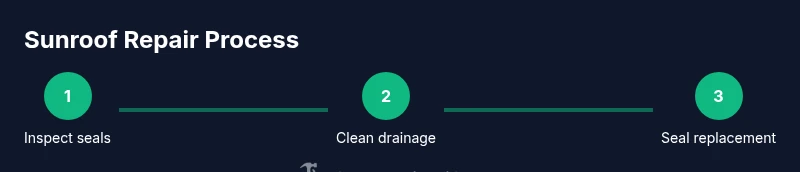
For quick reference, use this high-level checklist if you’re comfortable with basic sunroof work: inspect seals, clear drains, reseal edges, test with water, reassemble carefully, and verify no leaks after rain or simulated exposure. If any step reveals structural damage or electrical issues, pause and consult a pro. This quick guide complements the detailed steps in the dedicated Step-by-Step section.
Maintenance to Prevent Future Leaks
Seasonal checks can prevent costly leaks. Inspect seals annually, clean drainage tubes, and remove debris from the sunroof tracks. Address any soft seals promptly, and consider applying UV-protective sealant on exterior edges to reduce sun damage over time. Regular maintenance reduces the chance of water intrusion and prolongs the life of the sunroof assembly.
When to Replace the Sunroof Assembly
If multiple seals fail, the glass shows deep cracking, the track mechanism binds consistently, or drainage becomes unreliable despite replacement parts, replacement of the sunroof assembly may be the most cost-effective option. A full replacement restores function and reduces recurring repair costs over time. Consult a qualified technician to evaluate whether repair or replacement best fits your vehicle and budget.
Tools & Materials
- Safety goggles and work gloves(Protect eyes from glass shards and seals; choose impact-resistant gloves.)
- Screwdriver set (Phillips and flathead)(Used for removing panels and components.)
- Socket wrench set(Loosens/fastens bolts securing rails and motors.)
- Automotive silicone sealant(Use a sealant compatible with rubber/gasket materials.)
- Replacement seals/gasket kit(Only if seals show wear or deformation.)
- Rags and isopropyl alcohol(Clean surfaces before applying sealant.)
- Drain snake or flexible wire(Clear clogged sunroof drains.)
- Non-marring pry tool(Gently lift panels without damage.)
- Multimeter (optional)(Diagnose electrical issues if sunroof won’t operate.)
- Torx bit set (if applicable)(Some models use Torx fasteners.)
Steps
Estimated time: 60-180 minutes
- 1
Assess symptoms and document location
Begin by noting where water appears inside the cabin and any noises when operating the sunroof. Take photos for reference and confirm whether the issue is intermittent or persistent. This baseline helps you determine whether a seal, drainage, or mechanical problem is the cause.
Tip: Create a quick map of the leak path using dried dabs of water to trace flow. - 2
Test drainage and clear blockages
Probe each drainage channel with a flexible tool to confirm unobstructed flow. If you encounter a clog, carefully remove debris and re-test. Ensure tubing is firmly connected to the frame and exiting under the vehicle.
Tip: TIP: Use a light, steady push when clearing tubes to avoid kinking. - 3
Inspect and replace seals if needed
Visually inspect edge seals for cracks, hardening, or compression loss. If you see damage, replace the seals and re-seal the joints. Clean all mating surfaces before applying new gasket material.
Tip: Apply a thin bead of sealant where the gasket meets the frame; avoid excess that could squeeze into the drainage path. - 4
Check glass and track alignment
Inspect the glass panel for cracks and ensure the panel aligns flush with the frame. Check rails and guides for bending or obstruction. Misalignment can cause leaks and operational issues.
Tip: If glass is damaged, plan for a proper replacement to prevent injury and further leaks. - 5
Reassemble and perform a water test
Reinstall any removed panels securely and run the sunroof through its full range of motion. Perform a controlled water test from multiple angles to verify leak mitigation. Allow any sealant to cure as per product instructions.
Tip: Test from inside the car with doors closed to mimic real-world conditions. - 6
Decide on next steps
If leaks persist after resealing and drain clearing, or if electrical issues are present, schedule a professional diagnostic. Document findings and parts replaced for warranty or future service.
Tip: Keep a maintenance log for future reference and resale value.
FAQ
What is the most common sunroof leak cause?
Most leaks originate from worn seals or clogged drainage tubes, not the glass itself. Inspecting and replacing seals or cleaning drains often stops the leak. If issues recur, there may be structural problems that require professional assessment.
Leaks usually come from worn seals or clogged drains. Start there and consider a professional check if leaks persist.
Can I fix a sunroof leak by myself?
Some minor leaks can be addressed with seal replacement, drain cleaning, and careful resealing. More complex issues—like frame or motor problems—prefer a professional diagnosis to avoid further damage.
You can handle simple seals and drains, but consult a pro if the leak persists or involves the frame or wiring.
How long does a typical sunroof repair take?
Duration depends on the issue. Minor reseals and drains may take 1–2 hours; more extensive repairs or replacements can require several hours. Always allocate extra time for parts ordering if needed.
A simple fix might take an hour or two; bigger jobs can take several hours.
What factors influence sunroof repair costs?
Costs vary with parts needed, labor rates, and whether you replace seals, tracks, or the entire sunroof assembly. More extensive repairs naturally cost more; a professional estimate is the best way to know exact figures.
Prices depend on parts and labor; get a clear estimate from a professional.
Is it safe to drive with a sunroof leak?
Water intrusion can damage electrical components and promote mold growth. If you notice water inside the cabin, limit driving and seek repair promptly to prevent further damage.
Driving with a leak isn’t safe long-term; fix it soon to protect electricals and interior.
Watch Video
Key Takeaways
- Identify leak sources before disassembly.
- Drainage maintenance is critical to prevent leaks.
- Seal and gasket wear is the most common issue.
- DIY fixes save money but escalate to a pro for complex problems.
- Test thoroughly after any repair.