Car Window Repair Guide: DIY Steps and Local Help Near You
Learn to diagnose common car window issues, decide between DIY or pro help, and locate window repair near me car services nearby. This guide covers steps, tools, safety, and key questions to ask.


This guide helps you diagnose and fix common car window problems, decide when to DIY or hire a pro, and locate window repair near me car services nearby. By following safe steps, you’ll gain confidence, reduce costs, and keep your vehicle’s glass and seals in good condition. It covers safety precautions, essential tools, time estimates, and key questions to ask technicians.
Understanding Car Window Systems
Car windows come in two main configurations: manual crank windows and power windows. Regardless of type, most modern vehicles use a window regulator to move the glass up and down. The regulator is driven by a motor (in power windows) or a manual crank linkage. When a window stops moving, makes grinding noises, or leaks air and water, the root cause is often the regulator, tracks, or seals. In a broader sense, you are dealing with four subsystems: glass, regulator/motor, window tracks, and weather seals. Knowing which subsystem is at fault helps you decide between a DIY fix and professional service. For the keyword window repair near me car, you’ll want to locate a trusted local technician if DIY access becomes impractical or dangerous.
According to Home Repair Guide, understanding the exact window layout of your vehicle (doors, rails, and seals) is the first step in a safe repair process. This knowledge minimizes the risk of breaking glass or damaging adjacent panels. Always consult your owner’s manual and consider a service manual for your year and model to identify the right parts and fasteners.
Assessing whether DIY is feasible
Before diving in, assess your skill level and the complexity of the job. A simple glass replacement on a non-powered window or a loose regulator that can be reseated might be doable with basic hand tools. More complex issues—such as a damaged power window motor, a broken regulator with snapped cables, or a shattered glass pane—usually require professional tools and experience. The Home Repair Guide team recommends starting with a visual diagnosis and a cost estimate for parts, then weighing the risk of self-repair against the safety implications and potential damage to the door panel and wiring.
Tools and safety essentials
Before touching anything, gather the right tools and PPE. You’ll need a trim removal tool, a set of screwdrivers (flat and Phillips), a socket and ratchet, needle-nose pliers, a torque driver if applicable, electrical tape, and a clean microfiber cloth. Safety glasses and gloves are a must to protect against sharp edges and broken glass. For glass removal, use a suction cup to handle the pane carefully and avoid pinching fingers. Weather seals and electrical connectors should be handled gently to preserve future performance and weatherproofing.
Step-by-Step Troubleshooting for Common Regulator Failures
This section outlines a practical approach to diagnosing a common regulator issue without special equipment. Start by lowering the window with the door panel in place to observe the regulator’s movement. If the glass moves slowly or stalls, test the switch and listen for motor noise. If the motor runs but the glass does not move, the regulator or track is likely worn. A visually damaged regulator or broken cables confirms replacement is needed. If you can access the regulator, you may reseat it or replace only the faulty component. For cautious homeowners, consider a professional inspection if you see wiring damage or airbags near the door.
How to Replace a Window Regulator Kit (Low to Moderate Difficulty)
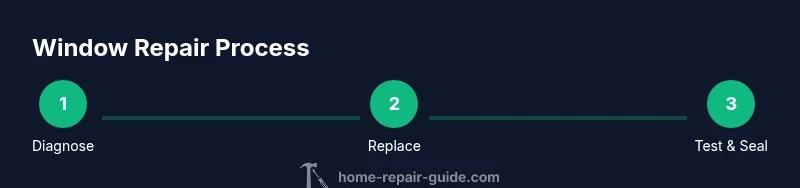
Replacing a regulator kit generally follows a sequence: remove the door panel, disconnect wiring harnesses, remove the old regulator, install the new regulator, reinstall the glass, and test. Ensure the glass is properly aligned within the tracks to prevent binding. Use the correct fasteners, torque to spec if your vehicle requires it, and reattach any weather seals securely. If you’re replacing the motor as well, verify the harness polarity and test with the door closed to avoid short circuits during reassembly.
Maintenance to Prevent Future Failures
Regular inspection of door seals, window glass alignment, and regulator mounting points can prevent surprises. Keep drain holes clear to avoid water intrusion that rusts metal components. Lubricate tracks with a silicone-based lubricant to minimize friction. Periodically test both windows of the door to catch early signs of wear. If you live in an area with extreme temperatures, inspect door components annually as part of your maintenance routine.
Finding a Local Window Repair Service (window repair near me car)
If you encounter a problem beyond your comfort zone or need a timing-based fix, look for a nearby shop that specializes in automotive glass and power windows. Request a written estimate and verify warranties on parts. Local technicians often know common vehicle-specific issues, making diagnosis faster and repairs more reliable. When you search for window repair near me car, compare two to three providers and read customer reviews focusing on reliability and accident-free service.
What to Ask During Your Consultation
Prepare a concise list of questions for the technician: Is replacement parts OEM or aftermarket? What is the warranty on parts and labor? Do you provide a written estimate and a detailed scope of work? Will the repair affect other door components or seals? By asking these questions, you’ll understand the scope and avoid surprises when the bill arrives.
Tools & Materials
- Trim removal tool set(Plastic tools to avoid door panel damage)
- Screwdriver set (flat and Phillips)(Small Torx might be required for some models)
- Socket wrench and bits(Assorted sizes; include 8mm-12mm as a start)
- Pliers and needle-nose pliers(For clips and connectors)
- Replacement regulator kit or motor assembly(Check your vehicle's year/model for compatibility)
- Replacement glass (if needed)(Only if glass is damaged beyond repair)
- Electrical tape and connectors(Splice only if you know wiring routing)
- Silicone-based lubricant(For tracks and weather seals)
- Rags and a microfiber cloth(For cleaning and polishing glass edges)
- Safety glasses and gloves(Protect from sharp edges and glass shards)
- Vacuum or shop vac(Clean debris from the door cavity)
Steps
Estimated time: 2-3 hours
- 1
Disconnect the negative battery terminal
Begin by turning off the vehicle and disconnecting the negative battery cable to prevent accidental airbag deployment or electrical shorts. This is a safety baseline whenever you work near power windows.
Tip: Use a socket wrench to loosen the terminal clamp, then cover the post with insulated tape. - 2
Remove the door panel carefully
Use a trim tool to detach door panel clips and gently lift the panel away from the door. Disconnect any wiring connectors for power windows, door locks, and speakers. Keep track of screws and clips for reassembly.
Tip: Take photos during disassembly to guide reassembly and avoid missing connectors. - 3
Inspect the regulator, cables, and glass
Visually inspect for a broken regulator, snapped cables, worn tracks, or cracked glass. If you see visible damage, replacement parts will be necessary. Do not force the glass through the tracks.
Tip: If cables are frayed, replace the entire regulator rather than attempting a repair. - 4
Replace the regulator or motor assembly
Unbolt the regulator/motor assembly from the door frame and remove it. Install the new unit, aligning mounting points, and reconnect the electrical harness. Ensure the tracks are clean and lubricated before reassembly.
Tip: Label connectors to ensure correct reattachment and avoid wiring errors. - 5
Reinstall window glass and align it
If replacing glass, carefully position the pane back into the window channel and ensure it sits flat on the regulator. Reconnect glass to the regulator and verify smooth up/down movement before reattaching the door panel.
Tip: Use a suction cup to handle glass and avoid fingerprints or chips. - 6
Test operation and reseal the door
Reconnect the battery, cycle the window several times, and listen for smooth operation. Reinstall weather seals and the door panel, then verify weatherproofing by checking for leaks.
Tip: Test with the door sealed against a wet or misted environment to check seals. - 7
Final inspection and cleanup
Check that all fasteners are tight, trim pieces are secure, and the door operates normally. Clean any fingerprints and dispose of old parts responsibly.
Tip: Keep a small parts tray to avoid losing tiny screws.
FAQ
What are common signs of a failing car window regulator?
Common signs include grinding noises, slow movement, window stalling, or the glass slipping out of alignment. If the motor runs but the window doesn’t move, the regulator or cables may be worn.
Look for grinding sounds, slow or stuck movement, or the window slipping. If the motor runs without moving the glass, the regulator may be worn.
Can I fix a window regulator myself?
Simple fixes on non-powered windows or reseating a loose regulator can be doable for handy homeowners. Power windows with wiring or airbag proximity require caution and may be best left to professionals.
You can tackle simple regulator issues if you’re comfortable with doors and wiring, but power windows near airbags should be handled by a pro.
How long does window regulator replacement take?
Replacement duration depends on the vehicle model and access to the window mechanism. Expect a window to be non-operational during the job, which can take several hours in some cases.
It varies by car model; plan for a few hours and keep other errands flexible.
OEM vs aftermarket parts for window repairs?
OEM parts match your vehicle’s original specifications, while aftermarket parts offer potential savings. Ensure compatibility and warranty terms before purchasing.
Parts can be OEM or aftermarket; confirm fit, warranty, and compatibility with your model.
Is it safer to go to a dealer or independent shop?
Dealers often have model-specific knowledge, but independent shops can be more cost-effective. Check warranties, certifications, and read reviews before choosing.
Dealers may have model-specific expertise; independents can be cheaper, so check warranties and reviews first.
What costs should I expect for a window repair?
Prices vary based on parts and labor, vehicle model, and whether glass, regulator, or motor is replaced. Obtain multiple written estimates to compare.
Costs depend on parts and labor; get several written quotes to compare.
Watch Video
Key Takeaways
- Identify whether the issue is glass, regulator, or motor.
- Use the correct tools and handle wiring with care.
- Decide between DIY or professional service based on complexity and safety.
- Test thoroughly after reassembly for proper function and sealing.
- Document steps to ensure a smooth reassembly and future maintenance.