Roof Repair Leak: The Complete Step-by-Step Guide
A comprehensive, safety-focused guide for homeowners and renters to locate, diagnose, patch, and prevent roof leaks. Learn common causes, quick fixes, and professional options for lasting protection.


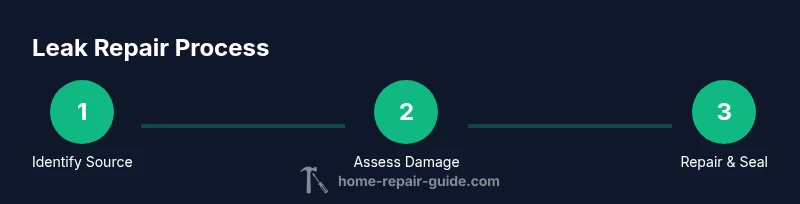
A roof repair leak can be identified, inspected, and mitigated with a planned approach. In this guide, you’ll learn how to locate the source, assess visible damage, apply temporary fixes, and decide when to call a licensed professional. According to Home Repair Guide, safety, proper tools, and a methodical plan are essential for lasting results.
Understanding Roof Leaks: Common Causes and Signs
Roof leaks aren’t always dramatic bursts of water. Often, the problem starts small and travels along rafters, framing, or underlayment before a visible stain appears. Common causes include damaged or missing shingles, deteriorated flashing around chimneys and vents, ice damming in cold climates, improper attic ventilation, and aging seals around roof penetrations. Condensation can mimic leaks when there isn’t a true intrusion. From damp insulation to moldy odors, early signs matter. If you notice staining after a storm, address it promptly to limit wood rot and structural damage. Look for water trails near dormers, skylights, or valleys where multiple roofing planes meet. Document the area with photos so you can discuss the issue confidently with a roofing professional. A careful interior inspection often reveals the true source that rainwater follows to reach the ceiling.
Safety First: Assessing Your Situation Without Risk
Roof work can be dangerous even on a modest pitch. Start by securing a stable ladder, wearing non-slip shoes, and using fall protection if available. Check the forecast; don’t climb the roof in rain, snow, or strong wind. If you see exposed electrical wiring, avoid that area and contact a licensed electrician before any further inspection. Inside the attic, turn off power to affected circuits if you can safely access the panel, and avoid stepping on damp sheathing. If you feel unsure about the climb or the roof’s condition, hire a professional rather than risking injury. Safety isn’t optional—it's the foundation of any leak-repair plan.
Inspecting Interior Clues: From Attic to Ceiling
Begin in the attic to trace moisture: look for dark stains on rafters, damp insulation, or damp roof decking. A light source from the outside can reveal gaps in flashing around vents or chimneys. From the room below, inspect ceilings and walls for bubbling paint, sagging drywall, or new water stains that appeared after rain. Keep a log of the exact location and any weather conditions that coincide with leaks. Check attic penetrations where plumbing vents and chimneys pass through the roof; these are common leak paths. Use a camera or phone to record findings for future reference when you discuss repairs with a contractor.
Quick Diagnostic Checklist to Pinpoint the Source
- Check exterior shingles and flashing for gaps or damage near chimneys, vents, and valleys.
- Test with a hose: start at the area farthest from the stain and work toward it to identify the actual source.
- Inspect gutters and downspouts for overflow that could direct water toward the roof edge.
- Look for daylight through roof boards in the attic to locate missing or loose underlayment.
- Examine skylights for improper seals or cracked glazing.
- Note if the leak only occurs during heavy rain or with wind-driven rain, which can indicate wind-driven water intrusion.
- Photograph findings and map them to the ceiling stains to guide permanent repairs.
Temporary Patch Options to Stop the Drip Now
Temporary fixes buy you time while planning a permanent repair. If water is actively dripping, place a bucket to catch overflow and protect flooring with tarps. For small penetrations around vents or flashings, apply a thick layer of roofing cement or silicone caulk from the exterior after cleaning the area. A piece of metal flashing or an asphalt shingle laid over the leak with roofing cement can slow leakage temporarily. Avoid stacking multiple temporary patches in one area; instead, cover with a clean, dry tarp secured with weights or nails. Remember: temporary patches are stopgaps, not substitutes for permanent repairs.
Permanent Repair Approaches: When to Patch vs Replace
Permanent solutions depend on damage scope. Small surface cracks may be sealed with proper sealants and flashing replacement. Missing shingles or damaged flashing usually require replacing shingles and resealing flashings around vents or chimneys. If decking is water-stained or rotted, you’ll need to replace sections of roof underlayment and possibly decking boards. A longer-term fix might involve upgrading flashing details, improving attic ventilation, or even replacing compromised roofing material if the structure is aging. DIY patching is feasible for minor issues on shallow slopes with proper safety precautions; for widespread damage or structural concerns, consult a licensed roofer. Having a professional assess the roof’s overall condition helps prevent recurring leaks and ensures warranty compliance.
Preventing Future Leaks: Maintenance and Planning
Prevention starts with regular inspections—at least twice a year and after major storms. Clean gutters to prevent overflow, trim branches, and ensure water flows away from the foundation. Ventilation is crucial; poor attic circulation can cause condensation that penetrates the roof. Inspect penetrations (vents, pipes, and chimneys) for sealant degradation and reseal as needed. Keep an eye on flashing around chimneys and skylights; corrosion, loose fasteners, or lifted edges are common leak precursors. Schedule professional roof inspections periodically, especially for older homes, to identify hidden issues before they become costly repairs. A proactive maintenance plan minimizes disruption and protects your home from water damage.
Tools & Materials
- Ladder (extendable, fiberglass if possible)(Stable, with levelers; use a spotter on the ground)
- Safety gear(Non-slip shoes, work gloves, eye protection)
- Roofing cement and sealant(High-quality sealant for temporary and some permanent patches)
- Caulking gun(For applying sealant precisely)
- Putty knife and utility knife(Scrape away old sealant or damaged material)
- Roofing nails and flashing(Repair flashing around vents and chimneys)
- Tarp or plastic sheeting(Waterproof cover to protect interior and exterior areas)
- Buckets and rags(Catch drips and clean surfaces)
- Flashlight or headlamp(Dark attic corners need good illumination)
- Measuring tape(For ensuring proper material size during repairs)
- Chalk line(To mark straight lines on roof sheathing)
- Camera or smartphone(Document damage for insurance)
Steps
Estimated time: 3-6 hours
- 1
Prepare and safety-check the work area
Set up a stable ladder on level ground. Wear non-slip shoes and safety gear. Clear the area beneath the roof and have a capable partner to spot you. Ensure weather conditions are safe before climbing.
Tip: Never work on a wet or icy roof; weather safety reduces fall risk. - 2
Inspect the attic and interior for signs of intrusion
Look for damp insulation, dark stains, or warped decking. Mark suspected leak paths with tape or chalk. Take photos for reference and to share with a roofer later.
Tip: Document timing and weather to correlate with leaks. - 3
Test and locate the leak source from above
From the exterior, check shingles and flashing around vents, chimneys, and valleys. If safe, use a gentle water test on a dry day to observe where water enters.
Tip: Start far from the stain so you can pinpoint the actual source. - 4
Address small exterior damage temporarily
Replace missing shingles if found; re-seat loose shingles and seal around penetrations with roofing cement. Apply a temporary patch to stop further water intrusion.
Tip: Avoid over-sealing—water needs a path to escape, not trapped behind patching. - 5
Improve the flashing and sealants
If flashing is damaged, lift a section, clean the area, and reseal with appropriate flashing and sealant. Reinstall shingles securely after sealing.
Tip: Flashing work benefits from matching materials to the roof type. - 6
Implement a longer-term fix plan
Assess whether the roofing material or underlayment requires replacement, and plan a pro repair if decking or multiple leaks exist. Schedule a pro assessment and ensure warranty coverage.
Tip: Document older roof sections; warranties may cover some repairs. - 7
Test and verify the repair
After repairs, re-check the area during a rain or water test. Confirm no more water stains appear and monitor attic humidity for several days.
Tip: Keep a leak diary to track progress and any recurrence. - 8
Close out and plan preventative maintenance
Store tools properly, take notes on what worked, and create a yearly roof maintenance schedule including gutter cleaning and vent inspection.
Tip: Proactively maintaining the roof saves time and money later.
FAQ
What causes roof leaks most often?
Roof leaks arise from damaged shingles, failing flashing around chimneys and vents, ice damming, and poor attic ventilation. Seasonal wear and weather events can reveal these weaknesses, especially where penetrations exist. Regular inspection helps catch issues before they worsen.
Leaks usually come from damaged flashing, missing shingles, or ice damming. Regular checks help catch issues early.
Can I fix a roof leak myself, or should I hire a pro?
DIY fixes are feasible for minor issues on simple roofs with proper safety equipment. For complex flashing, extensive damage, or aging roofs, a licensed roofer is advised to ensure a durable, warrantied repair.
DIY is possible for small problems, but big or risky repairs should be handled by a pro.
How do I locate the exact source of a roof leak?
Start with the interior staining, then inspect the attic for moisture patterns and the exterior for shingles and flashing. Water tracing from the entry point outward helps identify the leak origin.
Trace the water path from the stain back to where it enters the roof.
When is roof replacement more cost-effective than patching?
If the roof is old, has extensive decking damage, or multiple leaks across panels, replacement may be more economical than patching repeatedly.
If the roof is aging or the damage is widespread, replacement could be the better choice.
Is a roof leak dangerous?
Yes. Leaks can lead to mold, electrical hazards, and structural damage. Exercise caution and avoid working near compromised areas.
Leaks can create health and safety risks, so proceed carefully and call a pro if needed.
How long does a typical roof leak repair take?
Duration varies by scope, from a few hours for a small patch to multiple days for major flashing or decking work. A professional assessment provides a clearer timeline.
It depends on the damage—small fixes can be quick, bigger repairs take longer.
Watch Video
Key Takeaways
- Identify leak sources through attic and exterior inspection
- Patch temporarily to stop active leaks while planning permanent fixes
- Prioritize safety and know when to call a professional roofer
- Document damage and keep notes for warranties and insurance
- Establish a regular roof maintenance routine to prevent future leaks