Toilet Repair Tank: A Practical Step-by-Step Guide
Learn how to diagnose and repair a toilet tank with safe, practical instructions. This Home Repair Guide tutorial covers flappers, fill valves, flush valves, and durable fixes for a leak-free toilet.


This guide shows you how to diagnose and repair a toilet tank with confidence. You’ll learn to identify issues such as a running toilet, a slow refill, or a leaking tank, and which parts to replace—typically the flapper, fill valve, or flush valve. Follow a safe, durable process, from turning off the water to testing the fix. The steps are straightforward for most homeowners, with clear tool lists and practical tips. This approach minimizes water waste and extends the life of your toilet.
Anatomy of a Toilet Tank
The toilet tank houses the core components that control flush timing and water delivery. For the keyword toilet repair tank, understanding each part helps you diagnose issues quickly. According to Home Repair Guide, starting with the basics saves time and reduces water waste. Inside the tank you’ll find the fill valve (sometimes called the ballcock), the flush valve (the seal that sits at the opening to the bowl), and the overflow tube that directs extra water away safely. The flapper or shut-off seal connects the tank to the bowl and is lifted when you flush. The float, with either a float cup or a periscope rod, tells the fill valve when the tank has reached the correct water level. The mounting bolts secure the tank to the porcelain bowl, and a rubber gasket seals the joint to prevent leaks. When you inspect the tank, check for cracks in the porcelain, mineral buildup on metal components, and loose connections. Leaks almost always start at a worn seal, a cracked tank, or a loose bolt. Before you begin any repair, lay towels and a bucket nearby to trap spills. A careful diagnosis saves you from buying parts you don’t need and helps you target the right replacement first.
Diagnosing Common Problems with a Toilet Repair Tank
Problems with a toilet tank fall into a few predictable categories: a running toilet that won’t stop, a tank that refills slowly, a leak that shows on the floor, or a weak flush that doesn’t clear the bowl. Start by observing the symptoms: does water continue to flow after a flush, indicating a faulty flapper or fill valve? Is the fill tube delivering water at a high rate and causing splashing? Inspect the exterior for dampness and listen for hissing sounds that signal a stuck fill valve. Use a flashlight to check the inside of the tank for mineral buildup on the float and valve seats. For many homeowners, a running toilet is a sign that the flapper seal has worn or the fill valve isn’t shutting off cleanly. A leaky tank-to-bowl connection may point to a loose bolt or gasket. Keep a simple log of what you observe (leak location, smell, whether the issue is intermittent) to guide your parts shopping. This systematic approach aligns with Home Repair Guide’s best practices and helps you avoid replacing parts that aren’t the root cause.
Safety First: Prep and Precautions
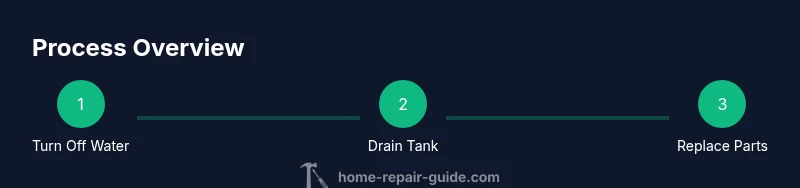
Safety is essential for any toilet repair tank task. Start by turning off the freshwater supply at the shut-off valve near the toilet; drain the tank by flushing and squeezing out remaining water. Place towels, a bucket, and a shallow tray to catch leaks; wear gloves to avoid contact with cleaning chemicals or mineral debris. Never mix cleaners with metal fittings inside the tank, and avoid using aggressive solvents that could corrode plastic components. If your toilet is mounted on a wood floor or a prior DIY repair created gaps, address those issues before reassembly to prevent future leaks. After draining, inspect the area for rust on metal bolts and replace any corroded bolts to maintain a secure seal. Finally, if you feel uncertain at any point, pause and consult a detailed guide. Following these precautions keeps you safer and protects your home’s plumbing system during the repair.
Replacement Parts and When to Replace
Replacement parts should be chosen based on the symptoms you diagnosed. If the toilet runs continuously, start with the flapper and fill valve, which are the most common culprits. When the tank won’t fill or fills slowly, the fill valve is often the weak link. If water leaks around the flush valve or the base of the tank, you may need a new flush valve or a new gasket. Aim for quality, compatible parts from a trusted brand; keep the model number handy to match the exact size. Before you remove any components, shut off the water, drain the tank, and take notes of where each connection sits. When installing, ensure the flush valve seats properly and the refill tube is directed into the overflow tube. If you’re unsure, bring the old parts to a hardware store to compare measurements, or check manufacturer diagrams online. With careful selection, you’ll minimize downstream leaks and extend the life of your toilet.
Preventive Maintenance and Long-Term Durability
Even after a successful repair, a little ongoing maintenance goes a long way. Periodically inspect the flapper for wear or warping, test the fill valve’s shutoff by briefly turning water off and on, and listen for any hissing sounds that indicate a stuck valve. Clean mineral buildup on the valve seats and rim jets using a soft brush to maintain a strong flush. Use the appropriate gasket sealant sparingly when resealing joints, and avoid over-tightening tank bolts to prevent cracking. A tight, clean seal reduces the chance of hidden leaks that waste water over time. Scheduling routine checks, especially after water-supply changes or in hard-water areas, helps you catch issues early and minimize emergency calls. This proactive approach aligns with Home Repair Guide’s emphasis on practical, long-lasting home repairs.
Home Repair Guide Verdict: Practical, Durable Fixes You Can Do
The Home Repair Guide team believes that most toilet tank problems can be solved with a targeted parts swap and careful reassembly. If you identify a damaged flapper, a failing fill valve, or a warped flush valve, replacing the worn component with a compatible model is usually the most reliable fix. Always test the system after reassembly, confirm there are no leaks around the bolts, and verify the water level is set to the manufacturer’s recommended mark. Our guidance emphasizes safety, accuracy, and patience—qualities that help you complete the repair without professional help in many cases. The Home Repair Guide team’s verdict is that consistent maintenance and using correct parts deliver the best long-term results for a functional, efficient toilet.
Authoritative Resources for Further Reading
- U.S. Environmental Protection Agency – WaterSense: https://www.epa.gov/watersense
- Occupational Safety and Health Administration – Home Plumbing Safety: https://www.osha.gov
- National Institute of Plumbing Standards – Consumer Guidance: https://www.nist.gov
Tools & Materials
- Adjustable wrench(2- to 8-inch range; used on nuts on fill valve shanks and mounting bolts)
- Screwdriver set (flathead and Phillips)(For removing screws on fill/flush valve components)
- Pliers(Useful for stubborn fittings)
- Bucket(Catch water when draining or rinsing)
- Shop towels or rags(Mop spills and wipe parts)
- Replacement flapper(Identify model type and compatibility)
- Replacement fill valve(Choose one that matches your tank’s size and connection)
- Replacement flush valve(Needed if the flush valve is warped or leaking)
- Toilet tank bolts and gasket(Only replace if removing the tank)
- Sanitizing disinfectant(For post-repair cleaning)
- Sealant or plumber’s tape(Use sparingly on threaded connections)
- Gloves(Protect hands during disassembly)
Steps
Estimated time: 45-75 minutes
- 1
Turn off water and drain tank
Locate the shut-off valve and turn it clockwise to close. Flush the toilet to drain most of the water and then use a sponge to soak up any remaining liquid. Place towels around the base to catch spills.
Tip: Have a bucket handy for collecting water and never force fittings that are hard to turn. - 2
Remove tank lid and inspect
Carefully lift off the tank lid and set it aside. Look for signs of wear on the flapper, gasket, and fill valve. Note any mineral buildup or cracks that could guide your replacement choice.
Tip: Take a photo of the underside of the lid and valve connections for reference. - 3
Disconnect the supply line
Place the bucket beneath the fill valve and use a wrench to loosen the nut that connects the water supply line to the fill valve. Expect some residual water in the line. Set aside the line and if needed, cap the valve to prevent leaks.
Tip: Do not twist the supply line too aggressively; misthreading can damage fittings. - 4
Remove old fill valve or flush valve
If you’re replacing the fill valve, remove the mounting nut from the underside of the tank and lift the old unit out. For a flush valve replacement, detach the large locking nut beneath the tank if you cannot access it from above. Keep track of washer positions.
Tip: Keep the replacement parts organized; losing small washers leads to leaks. - 5
Install new fill valve and/or flush valve
Insert the new fill valve from the top or bottom as appropriate, secure with the mounting nut, and ensure the unit sits straight. Reconnect the refill tube to the overflow pipe as required. If installing a new flush valve, seal the gasket firmly at the base.
Tip: Hand-tighten first, then snug with a wrench—avoid over-tightening which can crack the tank. - 6
Replace the flapper and adjust chain
Install the new flapper onto the flush valve seat and connect the chain to the flush lever with slight slack. Ensure the chain has a small amount of play when the lever is released. Test to confirm the flapper seats fully when closed.
Tip: Too tight a chain prevents the flapper from sealing; too loose causes a false seal. - 7
Reattach tank to bowl and seal
Place the tank back onto the bowl and align with the mounting bolts. Add washers and nuts from beneath, then snug evenly to avoid warping the porcelain. Reconnect the water supply line.
Tip: Check for level alignment; a crooked tank can lead to leaks around the base. - 8
Test the repair and adjust
Turn the water back on slowly. Allow the tank to fill and observe the fill valve shutoff. Run several full flush cycles to ensure no leaks around bolts or the gasket, and adjust the water level if needed.
Tip: If you hear constant running, readjust the float or valve height until the water stops at the recommended level.
FAQ
What parts usually wear out in a toilet tank?
The most common wear points are the flapper, fill valve, and the flush valve gasket. Inspect these first when diagnosing a running toilet or poor flush. Replacing the worn component with a compatible part often restores proper operation.
The typical wear items are the flapper, fill valve, and flush valve gasket—start there if your toilet runs or doesn’t flush right.
Do I need to remove the toilet tank to replace the fill valve?
Not always. Many fill valves can be replaced from inside the tank, but some models require detaching the tank from the bowl. Check your valve type and follow the manufacturer’s instructions.
Usually you can replace the fill valve from inside the tank, but some setups need you to remove the tank.
Will replacing parts stop a running toilet?
Yes, if the issue is a worn flapper, a bad fill valve, or a leaky flush valve gasket. Replacing the faulty part typically stops the run-on and restores normal operation.
Replacing the faulty flapper or valve usually stops a running toilet.
Can I use any replacement parts for my toilet tank?
Parts must match your tank type and model. Measure the valve size and check the flush valve type. Using incorrect parts can lead to leaks or improper operation.
Use parts that match your tank type and model for a proper seal.
What’s the best way to avoid leaks after a repair?
Recheck seals after assembly, avoid over-tightening, and double-check bolt washers. Run a leak test after restoration and monitor for 24 hours for any slow drips.
Double-check seals, don’t over-tighten, and test for leaks after you finish.
How long should a toilet tank repair last?
Durability depends on part quality and proper installation. With high-quality parts and correct torque, expect reliable operation for months to years before another service must occur.
With good parts and proper install, the fix should last for quite a while.
Watch Video
Key Takeaways
- Identify the failing component first (flapper, fill valve, or flush valve).
- Shut off water, drain, and inspect before buying parts.
- Replace with compatible parts to ensure durability.
- Test thoroughly and adjust water level for a reliable flush.
- Maintain the system with periodic checks to reduce future leaks.