Repair Bathroom: A Complete Step-by-Step DIY Guide
Learn practical, homeowner-friendly methods to repair bathroom fixtures, patch leaks, re-seal surfaces, and prevent future problems with a clear, step-by-step approach.


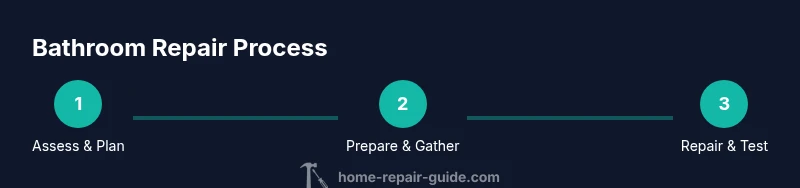
With this guide you will repair bathroom fixtures and stop leaks, improving safety and efficiency. You’ll start by shutting off water, gathering common tools, and assessing issues like drips, clogged drains, or faulty seals. This quick plan helps homeowners and renters handle common fixes confidently without calling a pro for every small repair.
Start with Safety and Shutoffs
Before you touch any pipe or fixture, prioritize safety. In a bathroom, water and electricity live close together, so you'll want to shut off the water at the nearest valve and, when possible, shut off the circuit feeding the bathroom light and fan. If you cannot locate the shut-off valve behind the toilet or under the sink, switch off the main water supply to the house and unplug any nearby electrical devices—just make sure you can access the outlets after you finish. According to Home Repair Guide, a cautious start reduces the risk of surprises and makes the repair bathroom tasks more predictable. Inspect the area for moisture, while wearing gloves and eye protection; mold growth can hide behind caulk and under cabinets, and inhaling mold spores is unhealthy. Ventilate the room; open a window or turn on an exhaust fan if it’s safe to do so. Then assess what’s malfunctioning: is there a drip from a faucet, a running toilet, a slow drain, or a faulty shower valve? A clear understanding of the symptoms guides your plan and helps you avoid extra trips to the hardware store.
Planning Your Repair and Budgeting
Planning is your best defense against DIY fatigue. Create a simple checklist of tasks, parts, and estimated times. Keep generous but realistic expectations about how long each fix will take and what parts may be needed. Based on Home Repair Guide analysis, writing down the scope of work and collecting compatible parts in advance minimizes back-and-forth trips to the store and helps you stay on budget. When possible, group tasks by location (sink, toilet, shower) and decide whether you’ll tackle them in one session or split into two. This step is essential for a safe, organized repair bathroom process and gives you a clear path forward as you learn new techniques.
Leaks and Drips: Diagnosis and Quick Fixes
Leaking fixtures are the most common reason homeowners attempt a repair bathroom project. Start by identifying the source: faucet handles, supply lines, the toilet flapper, or the shower valve. For a faucet drip, tighten or replace washers and seals; for a running toilet, inspect the flapper and fill valve. If you notice moisture around joints, it may be gasket wear or deteriorated caulk. When fixing leaks, always limit your repairs to what you can reasonably manage with your tools and materials. If a leak persists after tightening connections, consider replacing worn washers or gaskets rather than forcing a temporary patch. This approach can save you from repeated callbacks and future damage.
Drains and Clogs: Clearing and Preventing
Slow drains or minor clogs in bathroom sinks and showers are frequently caused by hair and soap scum. Begin with a plunger designed for drains, then use a drain snake or auger to break stubborn blockages. For ongoing odors or recurring clogs, inspect trap seals and ensure water sits in the U-bend to block sewer gases. Enzymatic cleaners can help preserve pipe integrity when used sparingly, but avoid harsh chemical products in enclosed spaces. Regularly flushing the drain with hot water and removing hair from screens will reduce future incidents and extend the life of your plumbing.
Seals, Caulking, and Fixtures Replacement
A common source of water damage is failing caulk around tubs, sinks, and backsplashes. Remove old caulk with a putty knife, clean the joint, and apply a new bead of silicone caulk. When replacing fixtures or handles, ensure the new parts fit your existing plumbing connections and align with the wall surfaces. Use painter’s tape to create crisp, straight caulk lines and smooth the bead with a damp finger. For best results, let the caulk cure according to the manufacturer’s instructions before exposing it to water.
Toilet Components and Repairs
Toilets can leak at the base, tank bolts, or fill valve. Start by shutting off the water, then drain the tank and inspect the gasket or wax ring if you experience leaking at the base. If the flush valve or fill valve malfunctions, you may need to replace the corresponding components. When removing a toilet, be prepared with a helper to lift safely and prevent damage to floor materials. Reinstall with a tight, level base, reattach supply line, and test for leaks by flushing several times and watching for seepage.
Electrical Safety Considerations in Bathrooms
Bathrooms require careful handling of electricity near water. Ensure you switch off the power for outlets and lights in the room before starting any repair work, and keep electrical devices away from wet areas. Use a GFCI-tested outlet tester to verify, and never replace a light fixture or run new cables without proper permits when required. If you encounter wiring issues beyond your comfort level, pause the project and consult a licensed electrician. Safety should always come first when you repair bathroom fixtures near water sources.
Preventive Maintenance and Long-Term Upgrades
To keep your bathroom in good condition, establish a simple maintenance plan. Clean and inspect caulk annually, replace worn washers and seals, and address leaks at the first sign of moisture. Consider upgrading to water-efficient fixtures to reduce long-term operating costs and minimize wear on plumbing components. The Home Repair Guide team recommends documenting maintenance tasks in a small log and scheduling reminders so you preserve the bathroom’s performance and value over time.
When to Hire a Pro and How to Find One
Most homeowners can handle routine fixer-upper tasks, but some issues require professional expertise. If you’re dealing with gas lines, complex electrical work, structural damage, or recurring leaks after multiple attempts, hire a licensed pro. To find a trusted contractor, seek referrals from neighbors, read reviews, and verify licenses and insurance. Even when you hire a pro, you’ll benefit from understanding the basics of repair bathroom tasks so you can communicate clearly and ensure a high-quality result.
Tools & Materials
- Adjustable wrench(6-12 inch range for most fixtures)
- Slip-joint pliers(Medium jaw width for taps and shut-offs)
- Screwdriver set (flathead and Phillips)(Include #2 Phillips and flat blades)
- Putty knife(1–2 inch blade for caulk removal)
- Caulk gun(Silicone caulk suitable for bathrooms)
- Silicone caulk (bathroom grade)(Clear or white; mold-resistant)
- Plumber's tape (PTFE)(Wrap threads counterclockwise)
- Bucket and towels(For catching and drying water)
- Safety gear (gloves, goggles)(Protect hands and eyes)
- Replacement washers/gaskets(Only if you identify worn parts)
- Toilet wax ring or assembly kit(If removing the toilet base)
- Replacement shut-off valve (compression or soldered)(For failing supply lines)
- PVC or metal pipe joint compound/epoxy(If resealing joints)
Steps
Estimated time: 2-4 hours
- 1
Shut off water and power
Locate the nearest shut-off valves for the affected fixture and turn them clockwise until tight. If a valve won’t close, shut off the main water supply and switch off the bathroom circuit if accessible. Confirm no water is flowing by opening a faucet for a moment.
Tip: Test the fixture after closing valves to confirm no leaks before proceeding. - 2
Identify the problem and gather parts
Inspect the fixture to confirm the source of the issue and collect the required tools and replacement parts before disassembly. Take photos or notes to help reassembly, and group items by task location (sink, toilet, shower).
Tip: Having a plan and photos speeds up reassembly and reduces mistakes. - 3
Disassemble carefully and clean
Carefully remove covers, handles, and faulty components. Clean sealing surfaces, remove old caulk and mineral deposits, and prepare a clean workspace to avoid losing small parts.
Tip: Place small screws and washers in labeled containers to prevent mix-ups. - 4
Repair or replace components
Install new washers, seals, or fixtures as needed. Apply plumber’s tape on threaded connections and assemble parts in the correct orientation. Reconnect supply lines snugly but not overtightening.
Tip: Avoid overtightening; snug is usually enough to seal without damage. - 5
Restore water and test for leaks
Turn water back on slowly, check all joints for leaks, and run the fixture for several minutes. Wipe up any moisture and observe for drips at connections.
Tip: If a leak persists, re-tighten connections or replace faulty parts. - 6
Seal and finish
Apply fresh caulk around joints and fixtures, smooth the bead for a clean finish, and allow proper curing time before exposing to water. Recheck after curing.
Tip: Use painter’s tape for crisp lines and avoid touching fresh caulk until cured.
FAQ
What is the first step to repair bathroom leaks?
Shut off the water at the nearest valve and verify there is no flow. Then identify the leak source before disassembly.
Start by turning off the water at the valve and check where the leak is coming from.
Can I repair bathroom leaks myself or should I hire a pro?
Many minor leaks can be handled by a confident DIYer, but persistent or complex leaks, gas lines, or electrical work should be done by a licensed professional.
You can DIY small leaks, but call a pro for more complex issues.
What tools do I need for typical bathroom repair tasks?
Common tools include an adjustable wrench, pliers, screwdrivers, a putty knife, caulk gun, and plumber’s tape.
You'll need wrenches, screwdrivers, a putty knife, and caulking tools.
How long should caulk cure after sealing?
Most bathroom caulk cures within 24 hours; avoid water exposure until fully cured as per product instructions.
Caulk usually cures in about a day; check the label for exact times.
Is it safe to use bleach around bathroom caulk and grout?
Bleach can degrade caulk; use bathroom-safe cleaners and avoid harsh chemicals near soft sealants.
Bleach can wear away caulk; pick milder cleaners for seals.
Watch Video
Key Takeaways
- Turn off water before starting any repair bathroom task.
- Document parts and steps to prevent mistakes.
- Test for leaks after each repair phase.
- Use proper caulk and allowances for curing time.