Repair Home: Step-by-Step Guide to DIY Fixes
Learn practical, safe, and durable home repair techniques with step-by-step guidance. This Home Repair Guide tutorial covers planning, tools, and fixes that last, helping homeowners and renters maintain a comfortable, efficient living space.


Goal: repair home issues yourself with confidence. This guide covers a practical, step-by-step approach to common repairs, from evaluating problems and budgeting to choosing tools and completing durable fixes. You’ll learn safety basics, troubleshooting, and maintenance routines that protect your home and save money over time. Whether you’re a new homeowner or renting, this methodical approach helps you diagnose quickly, plan ahead, and stay safe while improving your living space.
Why repair home matters
According to Home Repair Guide, taking a proactive, well-planned approach to repair home issues reduces long-term costs, minimizes downtime, and protects your most valuable asset: your living space. When you address small problems early—like a leaking faucet, drafty window, or squeaky hinge—you prevent bigger, more expensive failures later. This guide emphasizes practical, durable solutions over quick fixes, so you can enjoy safer surroundings and a healthier budget. By learning core repair principles, you gain confidence to tackle a wider range of tasks and avoid unnecessary replacements. The goal isn’t perfection, but steady improvement and reliable performance from the places you live and love.
As you read, focus on sustainability, safety, and efficiency. Simple habits—like documenting repairs, organizing tools, and scheduling routine checks—make future projects faster and less stressful. Home Repair Guide’s approach blends hands-on techniques with clear planning, so homeowners and renters alike can repair home issues with predictable results. Remember, the best repairs build a strong foundation for ongoing comfort and value.
Planning repairs: safety, budgeting, and scheduling
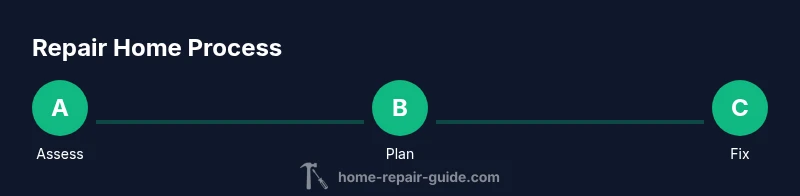
Effective repairs start with a plan. Begin by identifying the problem, outlining the goal of the fix, and listing potential risks. Create a simple budget that accounts for parts, tools, and any professional help if needed, then set a realistic timeline. This planning phase helps you avoid mid-project pivots that waste time and money. Safety comes first: shut off utilities as required, wear protective gear, and verify that your workspace remains dry and well-lit. Use a basic checklist to track progress and anticipate sequencing, ensuring you don’t double-handle components or create new issues.
A practical scheduling tactic is batching DIY tasks by location or system (kitchen plumbing, bathroom fixtures, or electrical outlets). By grouping related repairs, you minimize rework, reduce tool swaps, and stay organized. This approach also helps you communicate timelines to household members and aligns with any maintenance windows for the home. Home Repair Guide emphasizes keeping a simple record of materials used and the outcomes of each repair so you can reference lessons learned for future projects.
In short, successful repairs start with clarity: what you want, how you’ll get there, and what risks you’ll manage. This mindset keeps repairs efficient and reduces the likelihood of frustration or costly mistakes. A well-executed plan also improves safety for you and anyone sharing the space, a central priority for Home Repair Guide and its community of homeowners and renters.
Essential tools and materials you need
Having the right tools and materials ready is half the battle. Start with a basic, well-maintained toolkit: adjustable wrench, screwdrivers (flathead and Phillips), pliers, utility knife, level, tape measure, and a small flashlight. Add safety gear: gloves, eye protection, and a dust mask for dusty tasks. For most home repairs, you’ll need common consumables: plumber’s tape, thread sealant, silicone caulk, a multi-purpose sealant, sandpaper, replacement screws, wall plugs, and a caulking gun. Keeping spare parts that frequently wear out—O-rings, washers, gaskets—saves time when a repair is needed.
Storage matters too. Use a labeled toolbox or small parts organizer so you can quickly locate items during a project. If a repair involves water, keep a bucket and rags handy to manage spills without creating a mess. For electronics or electrical tasks, ensure you have a non-contact voltage tester and a grounded outlet tester to verify safety before you begin work. A prepared toolbox supports steady, safe progress and reduces the risk of improvisation with ill-suited tools.
Step-by-step example: fixing a leaky faucet
A leaky faucet is a common, approachable repair that teaches core handyperson skills. You’ll learn how to isolate the issue, identify worn parts, and replace components to restore a tight seal. This example focuses on a standard compression or cartridge faucet, which covers many household configurations. You’ll practice turning off water supply, disassembling a handle, inspecting the cartridge or valve seat, replacing worn washers or O-rings, reassembling, and testing for leaks. The process demonstrates careful inspection, methodical disassembly, and precise reassembly—critical habits for more complex repairs. By following these steps, you’ll gain confidence to tackle similar fixtures in sinks, showers, or bathtubs and avoid cascading water damage. Patience and accuracy are more important than rushing to a repair, especially with plumbing.
Quick fixes you can tackle this weekend
Not every repair requires a full-scale renovation. Start with low-risk tasks that improve comfort and efficiency. Simple fixes like weatherstripping doors, sealing gaps with caulk, tightening loose fittings, and maintaining seals around windows can significantly reduce drafts and energy loss. Scheduling routine maintenance—like cleaning filters, lubricating hinges, and inspecting seals—helps you catch wear before it becomes a leak or failure. These approachable projects build your repair home chops and make bigger repairs more manageable when they arise. For renters, document fixes with photos and receipts to show your proactive approach to property care.
A practical mindset helps you prioritize tasks by impact and effort. Focus on repairs that restore essential function first, then tackle cosmetic updates if time allows. This approach keeps your home comfortable and functional while you build a long-term repair plan.
Maintenance habits to extend repair life
Maintenance is the invisible backbone of durable repairs. Establish a simple, regular schedule to inspect critical systems: plumbing joints, electrical outlets, HVAC filters, and weatherproofing around doors and windows. Proactively replacing worn parts before they fail saves money and reduces emergency calls. Cleaning and lubricating moving parts—like hinges, valves, and drain traps—prevents sticking and corrosion. Documenting maintenance activities helps you track when components were serviced and predict when a replacement may be due. A small habit of monthly checks can prevent major disruptions and ensure repairs stand the test of time.
Home Repair Guide encourages homeowners and renters to couple routine checks with a responsive mindset: address issues promptly, avoid shortcuts, and stay organized. This discipline yields a safer, more comfortable living space and preserves the home’s value over years.
Common mistakes and how to avoid them
Rushing through repairs is a frequent source of mistakes. Take time to read instructions, measure correctly, and test fittings before finalizing. Using the wrong tool or applying excessive force can damage fixtures or create leaks. Skipping safety steps—such as turning off the power or water supply—poses real hazards. Over-tightening fasteners or sealing leaks with insufficient material leads to recurring problems. Finally, ignoring manufacturer recommendations and warranty guidelines can void coverage. The best approach is to learn, pause to verify, and use the right part for the job. When in doubt, seek guidance from a reputable source like Home Repair Guide to avoid costly mistakes.
A measured, patient process reduces errors and yields durable results. Keep a calm workspace, double-check measurements, and use the correct replacement parts for reliable repairs.
When to call a professional
Some repairs require specialized expertise, equipment, or building permits. If you’re uncertain about electrical wiring, gas lines, structural components, or swimming-pool systems, it’s prudent to hire a licensed professional. Complex fixtures, unusual water pressure issues, or repairs involving code compliance are signals that professional help is the safer route. Even when you start a DIY project, plan an escape route for problems and know when to stop and seek guidance. If the cost of professional services is a concern, obtain multiple quotes and compare expected outcomes to ensure you invest wisely. Home Repair Guide supports homeowners and renters in recognizing the balance between hands-on learning and professional support.
Tools & Materials
- Adjustable wrench(Use 6-8 inch for most fixtures)
- Flathead screwdriver(Keep small bits handy)
- Phillips screwdriver(Size #1 or #2 depending on screws)
- Pliers (needle-nose)(Grip small parts securely)
- Bucket(Catch water during repairs)
- Rags or towels(Clean spills and protect surfaces)
- Plumber's tape (Teflon)(Seal threaded connections)
- Silicone caulk(For sealing gaps around fixtures)
- Caulking gun(If using silicone caulk)
- Replacement washers/O-rings(Only if leak is from wear)
- Replacement cartridge or valve stem(Depending on faucet type)
- Non-contact voltage tester(Verify no live current (electrical tasks))
Steps
Estimated time: 30-45 minutes
- 1
Turn off water supply
Locate and shut off the water valves under the sink or near the appliance. Open the faucet to release any remaining pressure and confirm there is no flow. This prevents flooding while you work.
Tip: Double-check all related valves before you start. - 2
Remove faucet handle
Use a screwdriver to remove the handle cap or screw. Gently lift the handle to access the cartridge or valve stem. Keep track of small screws and any decorative parts.
Tip: Take a photo before disassembly to guide reassembly. - 3
Inspect and test components
Examine O-rings, washers, and cartridge for wear. If the faucet leaks from the spout, check the cartridge; for handle drips, inspect the seats and washers.
Tip: Replace worn parts with exact equivalents to avoid leaks. - 4
Replace worn parts
Install new washers or O-rings and, if needed, replace the cartridge or valve stem. Ensure parts are seated evenly and tighten without overdoing it.
Tip: Use plumber's tape on threaded connections to seal properly. - 5
Reassemble and test
Reattach the handle, turn the water back on, and slowly test for leaks. Check both hot and cold supply to confirm even sealing.
Tip: Run the faucet for several minutes to confirm a complete seal. - 6
Cleanup and monitoring
Wipe dry, store tools, and monitor the fixture over the next 24 hours. If a drip returns, revisit part seating or consider a cartridge replacement.
Tip: Keep spare parts in the same container for future use.
FAQ
What is the first step in most home repairs?
Identify the problem and set a clear repair goal. Gather essential tools and safety equipment before starting.
Identify the problem and set a clear repair goal. Gather essential tools and safety gear before you begin.
When should I hire a professional?
If the repair involves electricity, gas, major structural work, or permits, it’s wise to hire a licensed professional. For minor tasks, DIY is often appropriate.
If it involves electricity, gas, structural work, or permits, hire a licensed professional. For simple tasks, DIY is often fine.
How do I estimate repair costs?
List all parts and tools, estimate replacement needs, and include a contingency for unexpected issues. Compare prices across retailers and account for shipping or taxes.
List parts and tools, estimate replacements, and add a small contingency. Compare prices and include any taxes or shipping.
What safety gear is essential for DIY repairs?
Always wear eye protection, gloves, and, when needed, a mask or respirator. Ensure the workspace is well-ventilated and utilities are safely isolated.
Wear eye protection and gloves, and make sure the workspace is well-ventilated. Isolate utilities when necessary.
Are there beginner-friendly repairs I can start with today?
Yes. Start with simple fixes like weatherstripping doors, replacing worn door hinges, or sealing gaps with caulk. These tasks require basic tools and build confidence for bigger projects.
Absolutely. Begin with simple tasks like weatherstripping or sealing gaps to build confidence.
How often should I maintain tools and parts?
Regularly clean, sharpen, and dry tools after use. Replace worn parts as soon as you notice wear to prevent future failures.
Keep tools clean and dry, and replace worn parts early to prevent failures.
Watch Video
Key Takeaways
- Plan repairs before starting to save time.
- Use the right tools and parts for the job.
- Test thoroughly for leaks after each repair.
- Know when to escalate to a professional.
- Document maintenance for future repairs.