Repair Basics: A Practical Home Guide
Learn how to safely plan, execute, and verify common home repairs with a clear step-by-step method. This guide emphasizes safety, tool selection, and durable outcomes for homeowners.


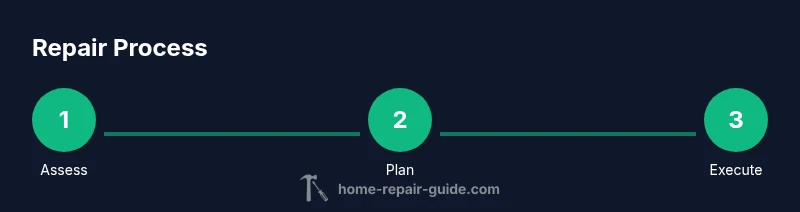
Repair, in home terms, means restoring function to a damaged component rather than replacing it outright. A successful repair follows a clear plan: identify the problem, gather the right tools, perform the fix, test the result, and prevent recurrence. This guide from Home Repair Guide walks you through safety, tools, and a practical step-by-step approach.
What repair means in the home context
In everyday home care, a repair is a practical action that restores function, improves safety, and extends the life of components. It can range from tightening a loose cabinet hinge to replacing a worn faucet cartridge. The aim is durability, not a temporary fix. According to Home Repair Guide, mastering basic repair skills protects your home and budget, and builds confidence for more complex projects. Throughout this guide, we use the term repair to cover both minor fixes and longer-term restorations, emphasizing planning, safety, and verification to prevent recurrence. When you decide between repair and replacement, you weigh cost, disruption, and long-term performance. Small repairs often preserve value and reduce waste, while larger replacements may offer better efficiency or reliability. By approaching repairs methodically, you can achieve durable results and minimize future problems. Establishing a repair mindset begins with documenting symptoms, noting when issues occur, and testing after each change. Keep a simple repair log to track what was done and when.
Quick assessment before you repair
Before you begin any repair, take a moment to observe the problem from multiple angles. Gather symptoms such as noises, leaks, or performance changes, and try to reproduce the issue in a controlled way to confirm its scope. Check which fixtures or systems are affected and whether the issue is localized or part of a larger pattern. Document findings with a quick sketch or notes, so you can compare after you work. Safety remains a priority, so consider if there are electrical, water, or structural hazards. According to Home Repair Guide, a thorough assessment reduces wasted effort and guides tool selection. By clearly defining the problem, you set a realistic plan for repair rather than substituting a guess for a fix. The goal is to understand whether the issue is wear, improper installation, or a simple adjustment. With a solid assessment, you can decide if you can handle the repair yourself or if it warrants a professional inspection.
Safety first: risks and precautions
Repairs can be safe when you respect potential hazards. Always turn off power to circuits you may touch and shut off the main water supply if you work on plumbing. Wear sturdy gloves, eye protection, and closed footwear to guard against sharp edges and hot components. Use a stable workspace and keep children and pets away from the area. If you encounter unfamiliar parts or uncertain wiring, step back and consult documentation or a professional. Home Repair Guide emphasizes that safety is not optional; it is the foundation of every repair project. Handling tools with dry hands, keeping tools organized, and avoiding makeshift fixes are essential habits. After completing any repair, test devices with low-risk loads first and monitor for unusual sounds, heat, or leaks. If a situation feels unsafe, stop, reassess, and seek help.
Planning a repair project: scope, materials, and budget
Planning creates predictable results and prevents scope creep. Start by listing the repair objective, required materials, and a rough time estimate. Decide whether a repair preserves value or if replacing the component offers better long term performance. When estimating materials, include connectors, seals, fasteners, lubricants, and any replacement parts that may wear out next. Think through disposal of damaged parts and any tools you may not own yet. Create a simple budget that accounts for part costs and a buffer for unexpected issues. Home Repair Guide recommends documenting the plan and updating it as you progress. A clear plan reduces waste, lowers frustration, and helps you communicate with any helpers or professionals involved.
Tools and setup for reliable repairs
A reliable repair starts with the right tools in the right place. Essential items include an adjustable wrench, a screwdriver set, and needle nose pliers, plus a bucket and towels to catch spills. Keep spare washers or cartridges on hand for common fixtures, and wrap threaded connections with plumber tape to prevent leaks. A headlamp or flashlight helps you see inside tight spaces, while a small mirror can reveal hidden corners. Maintain a clean, dry workspace and arrange tools in a dedicated toolbox for quick access. If you are unsure about a tool, research its use before starting and never force parts that do not fit. The right setup reduces errors and makes repairs safer and faster. Home Repair Guide highlights that proper preparation is a cornerstone of durable repairs.
Maintenance mindset: preventing future repairs
A maintenance mindset turns repairs into a longer term investment in your home. Schedule regular inspections of fixtures, seals, and fasteners to catch wear before it causes bigger problems. Practice proactive tasks such as tightening loose hardware, replacing worn gaskets, and testing shutoffs to ensure they respond quickly. Keep a simple log of maintenance tasks and outcomes, and set reminders for seasonal checks. A minor upfront effort today can prevent major disruptions tomorrow. By documenting each repair, you also build a personal knowledge base that improves your ability to troubleshoot future issues. Home Repair Guide notes that planning maintenance alongside repairs makes your home safer, more energy efficient, and more enjoyable to live in.
When to call a professional and how to document your work
Not every repair is best left to the homeowner. If a problem involves high voltage, gas lines, structural components, or uncertain wiring, consult a licensed professional to avoid safety hazards and code violations. Even when you do DIY, document your process with photos, notes, and a before after comparison so you can review what worked and what needs attention. Before hiring, verify credentials, insurance, and a written estimate, and ensure access to the required permits if needed. Authority sources such as OSHA and EPA WaterSense offer guidance on safety and water efficiency, and university extension programs provide practical repair tips. In all cases, keep safety as the top priority and revisit the repair plan if new issues arise. The Home Repair Guide team recommends recording experiences for future repairs and sharing lessons learned with others to help prevent similar problems.
Tools & Materials
- Adjustable wrench(8-15 inch range ideal)
- Flathead and Phillips screwdriver(Varied small sizes for set screws)
- Needle nose pliers(Grip small parts and remove clips)
- Bucket(Catch water during repairs)
- Towels or rags(Keep area clean and dry)
- Replacement washer or cartridge(Match faucet model)
- Plumber's tape (Teflon tape)(Wrap clockwise to seal threaded connections)
- Grease or silicone lubricant(Lubricate O-rings if recommended by fixture spec)
- Flashlight(Better visibility in tight spaces)
- Allen wrench set(Some fixtures use set screws)
Steps
Estimated time: 30-60 minutes
- 1
Turn off the water supply
Locate the under-sink shutoff valves and close them to stop water flow. Open a faucet to relieve pressure and confirm no water drips from supply lines. This step prevents bursts and makes disassembly safer.
Tip: If the valves are stiff, apply a small amount of penetrating oil and give them time to loosen before turning. - 2
Remove the faucet handle
Use the appropriate screwdriver to remove the handle retaining screw. Lift the handle straight up to expose the cartridge or stem. Inspect for corrosion or mineral buildup around the stem.
Tip: Take a photo before disassembly so you can reassemble correctly. - 3
Inspect the cartridge or washer
Check the cartridge, O-rings, and washers for wear or damage. If the stem shows grooves or the washer is cracked, replacement parts are needed. Ensure you have the correct size for your model.
Tip: Handle components gently to avoid bending delicate retainer clips. - 4
Replace worn parts
Install the new washer or cartridge, followed by any O-rings and seals. Apply plumber's tape to threaded connections where leaks tend to occur and lubricate moving parts if recommended by the manufacturer.
Tip: Do not overtighten, as excess force can crack fittings. - 5
Reassemble the faucet
Reattach the cartridge or stem, reseat the handle, and secure with the screw. Wipe away excess moisture and check alignment of handle and escutcheon.
Tip: Align parts before tightening to avoid misfit and wobble. - 6
Turn the water back on and test
Slowly reopen the shutoff valve and run the faucet to pressurize lines. Check for leaks around threads and seals. If droplets appear, tighten gradually and recheck.
Tip: Test with both hot and cold water to catch temperature-related leaks. - 7
Final inspection and cleanup
Inspect for any residual leaks and wipe surfaces dry. Replace any cosmetic trim and store tools. Document what was replaced for future reference.
Tip: Keep your receipt and part numbers in a repair log for future maintenance.
FAQ
What is the first step to repair a leaky faucet?
Shut off the water supply to the faucet to prevent further leaks and water damage. Then remove the handle to access the cartridge or stem for inspection.
First, shut off the water and remove the handle to inspect the cartridge.
Do I need special tools for a basic faucet repair?
Most common repairs use basic hand tools like a wrench, screwdrivers, and pliers. Replacement cartridges or washers may be model specific, so check your faucet type before buying parts.
Usually you only need basic tools, but confirm the part type before purchasing.
Why does a faucet still leak after replacing parts?
Leaks after replacement can result from an incorrect part, worn valve seats, or improper installation. Recheck the part compatibility, seals, and torque, and consider replacing other worn components if needed.
If it still leaks, the part might be wrong or not installed correctly.
How long does a typical faucet repair take?
A straightforward faucet repair commonly takes about 30 to 60 minutes, depending on access and the faucet type. More complex models may take longer.
Most fixes take about half an hour to an hour.
Can I repair a faucet without shutting off water?
No. Always shut off the water supply before disassembly to avoid splashes, flooding, and potential damage to surrounding fixtures.
No, you must shut off water first.
When should I replace a faucet rather than repair it?
If corrosion is widespread, the fixture is older than its expected life, or leaks persist after multiple fixes, replacement is usually more reliable and cost-effective in the long term.
If it's badly corroded or keeps leaking, replace it.
Watch Video
Key Takeaways
- Identify the problem clearly before starting
- Gather the right tools and replacement parts
- Follow a safe, methodical step-by-step plan
- Test for leaks and verify success before finishing
- Document repairs to build a personal knowledge base