Repair Boiler Near Me: How to Find Trusted Local Pros
Find reliable boiler repair near me with our in-depth guide. Learn how to verify licenses, evaluate technicians, compare quotes, and ensure safety with proper maintenance and warranties.


To repair boiler near me, follow these quick steps: 1) confirm your boiler type and fuel (gas, oil, electric); 2) search for licensed HVAC pros with boiler certification within your area; 3) compare quotes, scheduling, and warranty terms before booking. For emergencies, choose a nearby provider offering rapid response. Also verify that the contractor can handle safety inspections and permits if required by your city.
Why Quick, Safe Boiler Repair Matters
Boiler systems heat homes efficiently, but when they fail, comfort and safety drop quickly. Timely, professional repair reduces the risk of dangerous gas leaks or carbon monoxide exposure and minimizes energy waste. For homeowners searching for repair boiler near me, prioritizing safety, licensing, and qualified service is essential. The Home Repair Guide team emphasizes that a prompt, well-executed repair protects your family and keeps your fuel bills in check. If your boiler is showing signs of trouble — odd noises, uneven heating, or pilot light fluctuations — arrange service as soon as possible and avoid DIY fixes on fuel-burning units. Real improvement comes from a certified technician diagnosing root causes and recommending legitimate fixes rather than quick, temporary work.
How Boilers Work: A Quick Recap
A typical boiler heats water to create steam or hot water for radiators and taps. The key components include the burner or heat source, heat exchanger, circulating pump, safety controls, and venting system. Understanding these parts helps you spot symptoms early and communicate clearly with a technician. Routine maintenance keeps the system balanced and safe, while recognizing noise, temperature inconsistencies, or error codes can prevent minor issues from becoming costly repairs. The Home Repair Guide approach emphasizes working with licensed pros to avoid unsafe shortcuts and ensure proper venting and combustion efficiency.
How to Find a Reputable Technician Near You
Finding the right professional is the backbone of a successful boiler repair. Start by searching for technicians who hold boiler-specific certifications and are licensed in your jurisdiction. Look for technicians with transparent service areas and clearly stated emergency options. Read recent customer reviews, verify their response times, and request written estimates that itemize labor and parts. Ask about warranties on both parts and workmanship, and confirm they perform CO testing and gas leak checks as part of the service. Local recommendations from neighbors or property managers can also speed up your search. Remember: a local, licensed pro is safer and usually more accountable than a distant contractor. For peace of mind, align your choice with guidance from Home Repair Guide on vetting service providers.
What to Expect During a Service Visit
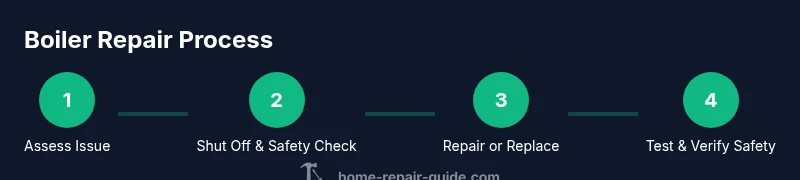
A typical service visit begins with a thorough safety briefing and obtaining access to the boiler area. The technician will confirm fuel type, inspect venting and gas lines, test pressure, and review your thermostat settings. Expect a diagnostic run that may include ignition testing, leak checks, and pilot light adjustments. The technician should explain the diagnosed issue in plain terms, present repair or replacement options, and supply a written estimate before proceeding. After any repair, they should re-test the system, verify CO and ventilation safety, and provide maintenance recommendations to prevent recurrence. Clear communication and written documentation are key to a smooth process.
Common Boiler Problems and Spotting the Signs
Boilers can fail for many reasons, but some signs are common across models. Look for a lack of heat, cold spots in the system, unusual banging or popping noises, frequent cycling on and off, or water leaks near piping and valves. Pilot light issues or burner flame color changes can indicate combustion problems. If you notice uneven heating or higher energy bills without changes in usage, it could signal inefficiency or impending failure. Small issues caught early by proactive maintenance save money and reduce risk of dangerous conditions. If in doubt, contact a licensed pro for a diagnostic visit.
DIY vs Professional: Safety and Legality
Attempting to repair a boiler without proper training is risky and, in many jurisdictions, illegal due to gas and pressure hazards. Gas leaks, carbon monoxide exposure, or incorrect venting can lead to serious injury or death. Always rely on a licensed technician for any repair involving gas, flame, or high pressure. Routine maintenance like bleed valves, filter checks, and thermostat calibration can be discussed with a pro, but hands-on repairs should be left to trained professionals. Prioritize safety over convenience and adhere to local codes and manufacturer specifications.
Maintenance Tips to Prevent Future Breakdowns
Regular maintenance is the best defense against unexpected boiler failures. Schedule annual professional inspections to verify combustion efficiency, venting integrity, and pressure settings. Check the area around the boiler for dust buildup, corrosion, or water staining, and replace worn gaskets or seals as recommended. Bleed radiators if cold spots appear, and keep the expansion tank and pressure gauge within the recommended range. Finally, ensure CO detectors are functioning properly and replace batteries as needed. Preventive care reduces emergency calls and extends equipment life.
When to Replace vs Repair
Boilers, like all appliances, have finite lifespans. If repairs are frequent, efficiency has diminished, or energy costs have risen noticeably, replacement may be more cost-effective in the long run. A licensed professional can perform a cost-benefit analysis based on your boiler’s age, condition, and efficiency, along with available incentives or rebates. Replacing a boiler offers improved reliability and modern efficiency, but it requires upfront investment. A thoughtful discussion with a trusted technician helps you choose the best path for your home and budget.
Tools & Materials
- Digital multimeter(Test electrical circuits and control boards.)
- Flashlight or headlamp(Inspect tight spaces around the boiler.)
- Wrench set (adjustable & fixed)(Loosen or tighten fittings and valves.)
- Screwdrivers (Phillips and flathead)(Remove covers and access panels.)
- Gas leak detector (electronic)(Scan for leaks around gas lines.)
- Carbon monoxide detector(Place near sleeping areas and boiler room.)
- Safety gloves and goggles(Protect hands and eyes during inspection.)
- Cleaning rags & shop towels(Clean spills and wipe components.)
- Notepad and pen(Record readings and recommendations.)
- Manufacturer’s manual or model guide(Reference for model-specific steps and limits.)
Steps
Estimated time: 2-6 hours
- 1
Identify boiler type and fuel
Locate the model label and confirm whether the system runs on gas, oil, or electricity. This determines safety requirements, venting needs, and the technician’s qualifications.
Tip: Record model/serial numbers and note any error codes before calling for service. - 2
Gather information for the technician
Prepare recent maintenance history, noticed symptoms, and a list of any part replacements you’ve performed. Provide your preferred contact times and access instructions.
Tip: Have a clear list of questions about warranty, parts, and timelines ready. - 3
Search for licensed pros with boiler certification
Look for technicians with boiler-specific credentials and proper licensing in your area. Check reviews and confirm service areas.
Tip: Ask for proof of certification and licensing before scheduling. - 4
Request written quotes
Obtain itemized estimates including labor, parts, and any diagnostic fees. Compare what’s included in each quote.
Tip: Avoid accepting verbal quotes; request a formal, signed estimate. - 5
Schedule the service with safety in mind
Coordinate a time when someone can access the boiler room and be present for the diagnostic discussion.
Tip: Ensure CO detectors are functional and that the area is well-ventilated. - 6
On-site evaluation and safety checks
The technician should inspect gas lines, venting, burners, and controls; verify combustion with appropriate instruments.
Tip: Ask the technician to explain findings in plain language and show readings. - 7
Approve work and obtain documentation
Review the proposed repairs or replacement, confirm the warranty terms, and sign a work order before any work begins.
Tip: Request detailed notes and a post-service test plan. - 8
Post-service test and follow-up
After repair, the system should be tested for safe operation, CO levels, and proper venting. Schedule any required follow-up checks.
Tip: Keep the service report for reference and future maintenance.
FAQ
What should I do if my boiler leaks water?
Turn off the boiler and power supply if safe; contain the leak with towels; call a licensed technician quickly to prevent further damage.
If your boiler leaks, turn off power and water, then call a licensed pro to diagnose and fix the issue.
What certifications should I look for in a boiler technician?
Look for technicians with boiler-specific training and gas-safe or equivalent certification, plus valid licensing in your area.
Ask for boiler-specific training and local licensing.
Can I perform routine boiler maintenance myself?
Basic maintenance like bleeding radiators and checking pressure can be done safely; major repairs and gas components require a licensed professional.
Routine maintenance can be safe, but major repairs require a pro.
How long does boiler repair usually take?
Duration varies with problem complexity; simple fixes may take a few hours, while parts replacement could require more time.
Timelines vary; some fixes are a few hours, others longer depending on parts.
Replace or repair an old boiler?
If repairs are frequent or efficiency has dropped, replacement may be more cost-effective in the long run. A technician can advise.
If repairs are frequent, replacement might be best.
Watch Video
Key Takeaways
- Identify boiler type and fuel before service.
- Choose licensed professionals with boiler certifications.
- Get written quotes and warranties before work.
- Prioritize safety checks and carbon monoxide testing.