RV Air Conditioner Repair: Step-by-Step Guide for RV Owners
Learn how to diagnose and repair common RV air conditioner issues safely. This guide covers tools, safety, diagnosis, a detailed workflow, maintenance tips, and when to replace your RV A/C.


Why RV A/C Systems Are Different
According to Home Repair Guide, RV air conditioner systems operate in a compact, mobile environment that presents unique challenges compared to residential setups. Roof-mounted condensers, limited space for service, and variable power sources (shore power, battery, or generator) all influence repair strategies. The Home Repair Guide team found that many rv air conditioner repair tasks require different tools, access methods, and safety considerations than household units, and that proactive maintenance can prevent many breakdowns before they ruin a trip.
In an RV, the cooling cycle relies on a sealed refrigerant loop and a fan-assisted evaporator, but the installation must contend with roof seals, vibration, and occasional moisture intrusion. When diagnosing issues, start with the most accessible components—thermostat, power supply, and blower—before tearing into refrigerant lines. This approach minimizes unnecessary disassembly and reduces the risk of leaks or additional damage.
The goal with rv air conditioner repair is to restore steady cooling while protecting roof integrity and electrical safety. If you’re ever unsure about a step, err on the side of safety and seek professional help sooner rather than later.
Basic Principles of RV A/C Operation
RV air conditioning systems operate on the same fundamental principles as home units: a compressor compresses refrigerant, sending high-pressure gas to the condenser where it releases heat, then to the evaporator where it absorbs heat from the RV interior, and finally back to the compressor via the cycling refrigerant. The main differences for RVs are scale, installation, and airflow management. Roof-mounted condensers must contend with variable wind, directionality, and motion, which can affect heat rejection and overall efficiency. The thermostat signals the outdoor unit to start cooling, and the electrical system must handle peak loads from the compressor, fans, and controller relays. Understanding these basics helps you identify whether a symptom stems from airflow, electrical issues, or refrigerant function. When performing rv air conditioner repair, ensure the fundamentals are sound before pursuing more complex repairs.
Tools and Safety Considerations
Safety is the foundation of any rv air conditioner repair. Before you touch any component, disconnect shore power or shut off the RV’s battery and generator, then verify that the unit is de-energized with a non-contact tester. Wear eye protection and gloves, and keep children and pets away from the workspace. Work in a well-ventilated area and use a sturdy ladder or roof hatch safety plan if accessing a roof-mounted unit. Keep the manufacturer’s manual handy and photograph each wiring connection before disconnecting anything to ease reassembly. The tools list below covers the essentials and remains sufficient for many rv air conditioner repair tasks, while optional equipment can assist with more advanced service.
Remember: refrigerant work and high-pressure testing must be conducted by trained technicians, and local regulations may apply to handling refrigerants.
Diagnosis: Common Symptoms and Causes
Common RV A/C symptoms point to several root causes. Weak cooling often results from dirty condenser coils, restricted airflow, or thermostat miscalibration. Strange noises can arise from a failing blower motor or fan. Ice on the evaporator typically signals a refrigerant issue, low airflow, or a blockage somewhere in the ducting. Leaks around fittings or the roof mount indicate seals or line problems. Before diving into repairs, confirm the power supply is stable and that the thermostat is calling for cooling. The Home Repair Guide guidance helps you differentiate airflow problems from refrigerant or electrical faults in rv air conditioner repair, so you can target the right area first.
The Repair Workflow Overview
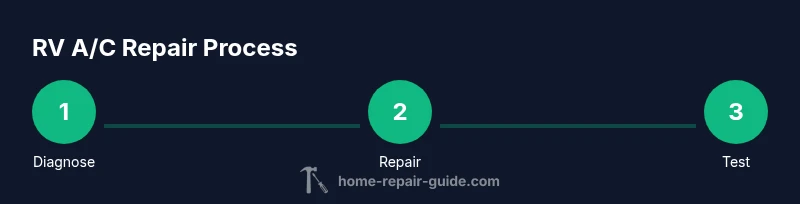
Most rv air conditioner repair follows a logical workflow: confirm power, inspect exterior components, test thermostat and wiring, evaluate electrical supply, check for refrigerant leaks, verify airflow, clean and reseal as needed, then test performance. Start with easy, mechanical fixes such as cleaning the condenser fins or replacing a dirty filter, then address electrical connections or defective fans. Refrigerant concerns or compressor issues require specialized knowledge and equipment, so defer those steps unless you are trained or under the supervision of a licensed technician. This overview provides a practical roadmap for efficient troubleshooting and safer rv air conditioner repair.
Maintenance Tips to Extend Lifespan
Preventive care reduces the need for major rv air conditioner repair. Schedule seasonal inspections of roof seals and around the unit, clean condenser fins with a soft brush, and replace or clean interior air filters regularly. Inspect the drip pan and ensure proper drainage to prevent mold growth, particularly in humid climates. Check insulation around the roof hatch and ensure there are no loose fasteners that could cause vibration damage while traveling. In demanding climates, adjust duct routing for optimal airflow and energy efficiency. The Home Repair Guide analysis shows that routine maintenance can greatly extend the service life of RV A/C systems, especially when care is taken to protect seals and electrical connections.
When to Repair vs Replace
Repairing a roof A/C on an RV can be cost-effective for minor issues and newer units. However, frequent failures, persistent refrigerant leaks, or an aging compressor may justify replacement. Consider the expected remaining lifespan of the current unit, the cost of parts and labor for repairs, and the potential energy efficiency gains of a newer model. If reliability is a priority for travel plans or you notice escalating repair bills, it may be time to replace. The Home Repair Guide team recommends evaluating these factors with a professional to determine the most reliable and economical path for rv air conditioner repair.
Authority Sources and Practical References
Trustworthy guidance for RV A/C work comes from federal, educational, and industry resources. Energy.gov provides fundamental cooling and energy-efficiency concepts that apply to RV installations. OSHA.gov offers safety best practices for servicing electrical components and handling high-voltage systems. For professional standards and refrigeration guidelines, consult ASHRAE and manufacturer service manuals. Always refer to your RV’s specific installation instructions and local regulations when planning rv air conditioner repair.