Camper AC Repair Near Me: Step-by-Step RV Guide
Find practical camper air conditioning repair options near you. Home Repair Guide provides a step-by-step RV guide with safety tips, troubleshooting, and budget-friendly repair ideas.


According to Home Repair Guide, camper AC issues often come down to power, seals, or airflow. This guide helps you diagnose common problems, perform safe troubleshooting, and decide when a pro is needed. You’ll learn a practical, step-by-step approach, and know exactly what tools you need and what to expect in terms time and cost.
Diagnostic foundations for camper air conditioning
Camper air conditioning systems blend 12-volt and standard AC power, which means diagnosis often starts with power verification and voltage checks. According to Home Repair Guide, begin by confirming you have the right power source—shore power at a campground or a healthy battery/inverter setup in a mobile installation. Next, inspect breakers and fuses in both the vehicle and any auxiliary distribution panel. Look for signs of corrosion, loose connections, or tripped breakers. Then assess the exterior roof or wall unit for visible damage, clogged intake, or crushed ducts. A simple symptom like fans running but no cold air usually points to airflow or refrigerant issues, while no power at all may indicate a blown fuse or dead battery. Record symptoms and the last time the unit worked, as patterns help you distinguish intermittent faults from permanent failures. Keep a log and consult your RV manual for model-specific guidance. This systematic approach saves time and reduces frustration when you’re on the road.
Safety and preparation before the repair
Safety should come first when working on a camper AC. Start by disconnecting all power sources to avoid shock or equipment damage, and ensure the vehicle is parked on level ground with parking brakes engaged. If you’re connected to shore power, switch off the pedestal breaker before opening any panels. Wear protective gloves and safety glasses, and work in a well-ventilated area. Keep a fire extinguisher handy and never attempt refrigerant work without proper training and certification. Gather your tools and set up a clean workspace to prevent screws or small parts from rolling away. If you’re in a crowded campsite, use a light, portable task lamp instead of relying on ambient lighting. Finally, check the RV’s user manual for any warranty stipulations or safety cautions specific to your model. Home Repair Guide emphasizes careful preparation to avoid accidental damage and injuries.
Common causes of poor cooling in RV AC systems
You will often see a few recurring culprits when an RV AC system won’t cool effectively. Dirty or clogged air filters restrict airflow and overwork the blower motor, reducing cooling. Leaks in refrigerant lines or worn seals can lower cooling capacity and ice up lines; while blocked condensate drains can cause the unit to shut down on safety. Ductwork damage, loose seals around roof vents, or crushed intake screens on the exterior unit also impede airflow. Electrical issues, such as bad fuses, a weak battery, or failing contactors, can prevent the compressor from engaging. Finally, incorrect thermostat settings or miscalibrated sensors can lead to improper cooling without any visible mechanical fault. By cataloging symptoms and comparing them to these common causes, you can focus your checks where they’re most likely to pay off. Based on Home Repair Guide research, airflow and seals are frequent roadblocks for RV cooling systems.
Electrical considerations and power management
RV AC units rely on a combination of 12-volt and 120-volt circuits, so electrical considerations multiply. Start by verifying the incoming voltage at the unit with a multimeter; a voltage drop or inconsistent supply can stall the compressor. Check fuses, breakers, and battery condition; a tired or sulfated battery can mimic an electrical fault. If you use a generator, ensure it can sustain the unit’s startup surge and that your inverter’s capacity matches the AC unit’s requirements. Inspect the control wiring between the thermostat and the outdoor unit for loose connectors or frayed insulation. Keep in mind that many RVs use a dedicated AC circuit with a separate 20-amp or higher breaker; mixing circuits can overload the system. If any wiring looks damaged or melted, pause and call a licensed technician.
Airflow and ductwork: vents, filters, and insulation
Efficient cooling depends on clean, unobstructed airflow. Start by inspecting interior vents for dust buildup and ensure louvers open fully. Replace or clean the cabin air filter if your RV has one. Check exterior intake and exhaust grills for leaves, dirt, or insect nests that block air. Inspect ductwork for cracks or loose connections; small leaks can dramatically reduce cooling efficiency. In some campers, the roof-to-unit seal may degrade, allowing warm air to infiltrate; reseal with RV-approved sealant if needed. Finally, verify that insulation around ducts and around the interior plenum is intact, as poorly insulated ducting leaks heat into living spaces. Correct airflow problems improve comfort with less energy use and fewer compressor cycles.
Refrigerant and cooling efficiency: what you can and cannot do
Handling refrigerant requires proper licensing, so avoid DIY attempts to recharge a system. If you suspect a leak, the right move is to isolate the area and schedule a qualified service. You can, however, perform non-invasive checks such as measuring coil temperatures and comparing suction and discharge pressures if you have a gauge set and the training to interpret readings. Improve efficiency by cleaning the condenser outside the RV, ensuring unobstructed airflow, and using thermal curtains to cut heat gain. Replacement of worn components like the contactor or fan motor is possible for those who are comfortable with basic electrical work, but if in doubt, rely on a pro. Remember every RV model has its own refrigerant type and capacity; consult the manual or a technician for model-specific guidance.
Step-by-step troubleshooting workflow overview
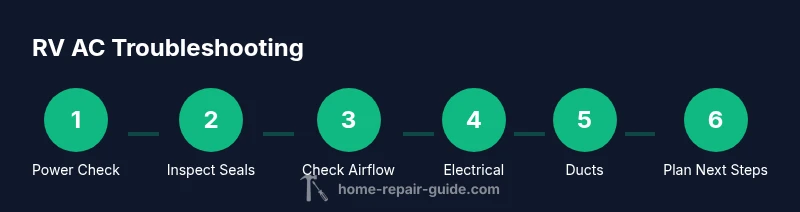
Here is a concise troubleshooting workflow to help you organize the checks without jumping into disassembly. First, confirm power and reset all breakers. Then verify thermostat settings and sensor readings. Next, test the blower fan and outside condenser for operation. If the fan runs, check for clear airflow paths and inspect filters. If you still don’t get cooling, inspect duct connections and seals for leaks. Finally, assess whether the issue is likely refrigerant-related or a failing compressor, and determine whether to continue DIY or call a professional. This overview aligns with the approach promoted by Home Repair Guide and sets the stage for the detailed steps that follow.
When to DIY vs when to hire a pro
Simple tasks such as cleaning or replacing accessible filters and resealing a loose duct are suitable for a confident DIYer with basic tools. More complex work—likely involving refrigerant handling, sealed refrigerant leaks, compressor replacement, or high-risk wiring—should be performed by a licensed technician. If you’re unsure about electrical safety, or if the unit is under warranty, err on the side of professional help. In RVs, travel time also matters; a mobile service can save you from towing costs and downtime. A professional diagnosis can also prevent accidental damage and catch issues the untrained eye might miss. Remember, a well-maintained system lasts longer and costs less in the long run, even if you pay for expert service now.
Budgeting for camper AC repairs: parts and labor considerations
Prices vary by region and model, so think in ranges rather than fixed numbers. A DIY parts checklist typically covers filters, seals, a fan motor, and small components in the $20–$150 range. If you hire a pro, expect labor rates to reflect local market conditions and travel time; many mobile HVAC technicians charge a service call plus hourly rates. Budget for diagnostic fees if the issue isn’t obvious, and plan for possible refrigerant recharge or major component replacement if the leak is severe. To keep costs predictable, request a written estimate before any work and ask about warranty coverage on parts and labor. The goal is to restore reliable cooling without overspending or delaying your trips.
Maintenance to prevent future issues
Preventive maintenance keeps RV AC systems running smoothly between trips. Schedule seasonal inspections to clean filters, inspect seals around vents, and check ductwork for leaks. Rinse the condenser with water from the outside and clear vegetation or debris from around the exterior unit to maintain airflow. Inspect insulation around the ducts and plenum to minimize heat gain, and replace air filters on a routine cycle—typically every 2–6 months depending on use. Keep a log of performance, noting any changes in cooling or noise. This simple routine saves energy, reduces wear on the compressor, and extends the life of your RV’s climate control system. According to Home Repair Guide analysis, consistent maintenance reduces the likelihood of major repairs and keeps your trips more reliable in 2026.
Quick-start 6-step starter plan
- Power down safely and disconnect from shore power. 2) Visually inspect the exterior unit and seals. 3) Check interior vents and replace dirty filters. 4) Test the fan and electrical connections with a meter. 5) Inspect ducts for leaks and ensure seals are intact. 6) Decide if you can complete the next steps or call a pro. This plan gives you a fast entry point to get cooling back on track, while staying within safety limits. For complex issues or persistent leaks, contact a technician rather than continuing alone.
Common mistakes to avoid
Common mistakes include ignoring safety procedures, attempting refrigerant work without certification, and bypassing the thermostat or controls to force cooling. Another frequent error is using incorrect replacement parts or forcing ductwork to fit, which can cause more leaks. Finally, delaying professional help when symptoms worsen leads to higher repair costs and more downtime. Take a measured approach—prioritize safety and documentation, and trust your manual plus reputable guides like Home Repair Guide when diagnosing.
Tools & Materials
- Digital multimeter(Test voltage, continuity, and resistance in 12V/120V circuits)
- Insulated screwdriver set (Phillips & flathead)(Access panels and internal components)
- Non-contact voltage tester(Quick safety checks on live circuits)
- Flashlight or headlamp(Illumination for dark panels)
- Duct tape and RV-approved sealant(Seal leaks around ducts and panels)
- Replacement air filters(Stock up for high-use seasons)
- Soft brush or cloth(Clean dust from vents and coils)
- Vacuum with nozzle attachment(Remove debris from blower housing)
- Gloves and eye protection(Prevent injuries when handling tools)
Steps
Estimated time: 30-60 minutes
- 1
Power down and safety check
Begin by turning off power at the vehicle battery and disconnecting shore power if present. Verify no live voltage on exposed circuits before touching any components. This prevents shocks and accidental compressor engagement.
Tip: Always de-energize first and use a non-contact tester to confirm safety. - 2
Inspect exterior unit and seals
Visually inspect the roof or wall-mounted AC unit for cracks, loose mounting, and sealing around the base. Clean debris from intake screens and verify that seals around vents are intact to prevent warm air intrusion.
Tip: Replace cracked seals and reseal with RV-approved sealant if needed. - 3
Check interior vents and filters
Ensure interior vents are open and unobstructed. Replace dirty cabin air filters to restore airflow and reduce strain on the blower.
Tip: Keep spare filters on hand for rapid replacement during trips. - 4
Test blower, fans, and electrical connections
Power up and listen for the blower and condenser fan. Check for smooth operation and inspect thermostat wiring for loose connections or corrosion.
Tip: Use the multimeter to verify voltage at the control board and motor terminals. - 5
Evaluate ductwork and condensate lines
Look for leaks or cracks in ducts and leaks around condensate lines. Repair or seal leaks to improve cooling efficiency and prevent moisture issues inside the rig.
Tip: Seal any small leaks with RV-grade duct sealant and secure loose ducts. - 6
Decide on next steps and safety
If cooling improves after these checks, monitor performance and plan regular maintenance. If not, especially with refrigerant concerns, consult a licensed technician.
Tip: If you encounter refrigerant handling, pause and call a pro.
FAQ
Can I repair a refrigerant leak myself?
No; refrigerant handling requires licensed tech and proper containment. DIY attempts can be dangerous and illegal in many jurisdictions. Always rely on a professional for leaks.
Refrigerant leaks require a licensed technician for safety and compliance.
What are the first signs my camper AC needs service?
No cold air, weak airflow, ice on lines, or unusual noises are common early indicators. If these appear, stop further disassembly and assess power, airflow, and leaks.
Look for no cooling, poor airflow, or ice on lines as early signals.
How long does RV AC repair usually take?
Time varies by issue; minor fixes can be completed in a few hours, while major repairs may require a full day or more depending on parts and access.
Most fixes take a few hours, but some repairs can take longer.
Are DIY fixes cost-effective for camper AC?
DIY can save money on simple maintenance, but mistakes can raise costs. For complex problems, professional services often provide better value and warranty protection.
DIY can save money on basics, but complex issues are riskier.
Do I need special tools for RV AC maintenance?
Basic hand tools plus a multimeter and a refrigerant gauge set for electrical and cooling checks can help, but many tasks don't require advanced equipment.
A few basic tools and a gauge set can cover most simple tasks.
Should I winterize my RV AC?
Yes, winterizing helps prevent freezing and damage. Clear condensate lines and seal around the unit to keep moisture out of the system.
Yes, winterizing protects the unit from freezing and damage.
Watch Video
Key Takeaways
- Start with power, airflow, and seals to identify root causes
- Electrical and ductwork issues are common failure points
- Refrigerant handling requires licensed professionals
- Plan maintenance to prevent major repairs and downtime