HVAC System Repair: A Practical Home Guide for 2026
Learn safe, practical hvac system repair strategies, including diagnostics, maintenance tips, and how to decide when to DIY or hire a pro. Home Repair Guide provides trusted guidance for homeowners seeking durable fixes.


HVAC system repair involves diagnosing and fixing problems that affect heating, cooling, and air flow in home systems. Start with basic safety checks, verify power, thermostat settings, and air filters, then inspect the blower, heat exchanger, coils, and refrigerant lines. This guide walks you through safe, practical fixes and when to hire a pro.
What is HVAC system repair and what it covers
HVAC system repair is the process of identifying and remedying faults within a home heating, ventilation, and air conditioning setup. It covers a range of subsystems, including electrical controls, the blower, the heat exchanger, evaporator and condenser coils, refrigerant lines, ductwork, and condensate drainage. The goal is to restore safe, reliable comfort while preserving energy efficiency. According to Home Repair Guide, a structured approach to diagnosis helps homeowners understand how each component contributes to overall performance. When a system operates inconsistently, it’s often a hint that one or more subsystems are not doing their job. By learning the basics of hvac system repair, homeowners gain confidence to perform routine checks, identify obvious faults, and communicate effectively with a technician if professional service is required.
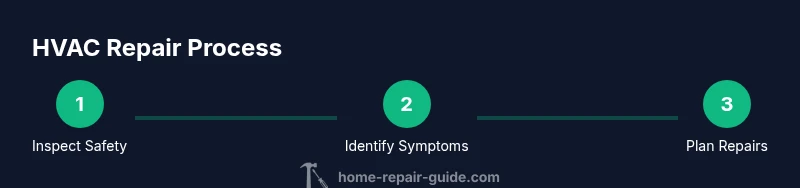
Safety and planning before you start
Before you touch any equipment, establish a safety plan. Always shut off power at the breaker and confirm there is no gas supply if you’re dealing with gas-fired equipment. Wear eye protection and gloves, and keep a clear workspace. hvac system repair work can involve high voltage, sharp edges, and hot surfaces. If you notice a gas smell or hear hissing from refrigerant lines, evacuate the area and call a licensed professional. Planning includes checking the system’s age, reviewing the service history, and gathering the model numbers to ensure you source the correct parts. This preparation helps prevent injuries and misdiagnosis during hvac system repair.
Common symptoms that indicate repair is needed
Several warning signs point to issues requiring hvac system repair. If the system fails to start, struggles to reach set temperatures, or cycles on and off frequently, these could indicate electrical faults, thermostat misalignment, or refrigerant problems. Airflow issues, such as weak blower performance or uneven cooling/heating across rooms, often stem from clogged filters or duct restrictions. Strange noises, such as grinding or squealing, may signal bearing wear or loose components. Finally, rising energy bills without clear changes in usage can reveal declining efficiency and the need for a professional assessment. Home Repair Guide emphasizes documenting symptoms as you observe them to aid accurate diagnosis during hvac system repair.
How the cooling and heating subsystems work
Understanding how the cooling and heating subsystems interact clarifies hvac system repair decisions. The thermostat initiates calls for heat or cooling, which activates the furnace or compressor. The blower distributes conditioned air through the ducts, while coils extract heat from or add heat to the air. Refrigerant cycles between the evaporator and condenser to absorb or release heat, and the condensate drain removes moisture produced during cooling. Filters, air flow, and duct design all influence efficiency and comfort. A solid grasp of these relationships helps homeowners perform safer, more effective hvac system repair and maintenance.
Routine maintenance to prevent costly repairs
Preventive hvac system repair starts with simple, regular maintenance. Change or clean air filters on a schedule that matches usage and air quality, typically every one to three months. Schedule seasonal checkups to inspect electrical connections, test safety controls, and verify refrigerant lines for leaks. Clean the outdoor unit and clear debris from around it to maintain air flow, and inspect ductwork for signs of wear or disconnections. Small, consistent efforts reduce the likelihood of major hvac system repair needs and extend system life.
DIY vs professional service: making the right call
DIY hvac system repair can cover basic maintenance, air filter changes, and minor cleaning tasks, but more complex diagnostics require specialized tools and training. If the system loses refrigerant, shows refrigerant salt lines, or displays erratic electrical readings, contact a licensed technician. Likewise, any job that involves gas connections or high voltage should be handled by a professional. The decision to repair or replace depends on age, efficiency, and total repair costs. Home Repair Guide recommends a candid cost-benefit assessment to avoid wasted time and money on hvac system repair.
Energy efficiency, costs, and long-term considerations
Repair decisions impact energy efficiency and ongoing costs. A well-maintained system runs more efficiently, which reduces energy use and prolongs equipment life. When parts become outdated or repeatedly fail, replacement may offer better long-term value than ongoing hvac system repair. Consider the system’s age, the cost of major repairs, and potential efficiency gains offered by newer equipment. A professional evaluation can provide a realistic comparison of repair versus replacement, helping homeowners plan long-term comfort and budget.
Tools & Materials
- Safety glasses and work gloves(Protect eyes from debris and sharp edges)
- Non-contact voltage tester(Verify power before touching any components)
- Multimeter(Test electrical values and continuity)
- Screwdrivers (Phillips and flat-head)(Common fasteners on panels and components)
- Wire labels or tape(Label wires before disconnecting)
- Vacuum or brush for coils(Clean coils and filters safely)
- Soft cloth and mild cleaning solution(Light cleaning of accessible surfaces)
- Replacement filters(Keep on hand based on system model)
- Replacement fuses or breakers(Have on hand for quick resets)
- Safety mask (optional)(Avoid inhaling dust during work)
- Service manual or model documentation(Ensure correct parts and wiring diagrams)
Steps
Estimated time: 60-90 minutes
- 1
Power off and safety check
Begin by turning off power to the HVAC system at the main breaker. Confirm no voltage is present with a tester before handling any internal components. This protects you from shocks and accidental startup during hvac system repair.
Tip: Use lockout/tagout if multiple people could re-energize the circuit. - 2
Verify thermostat and temperature settings
Check that the thermostat is programmed correctly and calibrated. If it displays incorrect readings, reset or replace it. A faulty thermostat is a common cause of hvac system repair needs.
Tip: Compare thermostat readings with a known accurate thermometer for accuracy. - 3
Inspect air filters and duct restrictions
Remove and inspect filters; replace if dirty. Look for blockages or obstructions in ducts and vents near supply registers. Restricted airflow is a frequent hvac system repair culprit that reduces efficiency.
Tip: Use a flashlight to spot unseen obstructions in ducts. - 4
Test the blower and electrical components
Access the blower compartment to inspect for worn belts, loose connections, or unusual noises. Check fuses and circuit breakers; reset if needed. Document any unusual readings for professional reference.
Tip: Do not tug on wires; use the label system you prepared. - 5
Check refrigerant lines and coils
Visually inspect refrigerant lines for oil spotting or frost. Do not attempt to add refrigerant — leaks require a licensed technician. Clean visible coils if accessible and safe, but avoid damaging fins.
Tip: If you suspect a refrigerant leak, shut down and call a pro immediately. - 6
Plan next steps and safety wrap-up
Review all findings and decide whether you can safely complete the repair or if professional service is warranted. Keep records of parts inspected and actions taken for future hvac system repair needs.
Tip: Schedule a follow-up inspection to prevent recurrence.
FAQ
What is HVAC system repair?
HVAC system repair means diagnosing and fixing faults in heating, ventilation, and air conditioning components to restore proper function.
HVAC system repair is diagnosing and fixing faults in your heating and cooling components to restore function.
Can I perform hvac system repair myself?
Some routine maintenance like filter changes and simple cleaning can be DIY, but many repairs require professional tools and safety practices.
Some maintenance you can do yourself, but many repairs should be done by a professional.
How do I know if I should replace rather than repair?
Consider the system’s age, the cost of repairs, and potential energy efficiency gains from newer equipment before deciding.
If the system is old or repair costs exceed replacement value, replacement may be the smarter choice.
What maintenance should be done annually?
Replace or clean filters, schedule a professional inspection, check refrigerant lines for leaks, and inspect ducts for blockages.
Annual maintenance includes filters, inspection, and duct checks to keep things running smoothly.
Is it safe to operate with a refrigerant leak?
No. Refrigerant leaks are hazardous and require a licensed technician to repair and recharge the system.
No—if you suspect a refrigerant leak, shut down the system and call a pro.
Watch Video
Key Takeaways
- Identify the issue by symptoms and system subcomponents.
- Prioritize safety; shut off power and protect gas lines.
- Differentiate DIY maintenance from complex hvac system repair.
- Keep filters and coils clean to preserve efficiency.