HVAC Repair and Service: A Practical Homeowner Guide
Learn practical, safe hvac repair and service steps for homeowners. This guide covers maintenance routines, common issues, safety tips, and when to call a pro in 2026.


Learn how to diagnose common HVAC problems, perform basic maintenance safely, and decide when to call a professional. This guide covers essential tools, step-by-step repair actions, safety precautions, and a durable maintenance routine designed for homeowners and renters. From filters and airflow checks to refrigerant cautions and electrical safety, you’ll gain practical, cost-saving methods to extend system life and keep your home comfortable year-round.
What HVAC repair and service really means
HVAC repair and service covers diagnosing issues, repairing components, and performing preventive maintenance to keep heating, ventilation, and air conditioning equipment running efficiently. For homeowners and renters, understanding the basics of hvac repair and service helps reduce downtime, cut energy costs, and extend system life. According to Home Repair Guide, reliable hvac repair and service starts with a clear plan and a safety-first mindset. The goal is to restore comfort quickly while protecting your home and finances. In this guide, you'll learn how to recognize symptoms, prioritize tasks, and decide when a professional is needed. You'll also see how routine maintenance improves indoor air quality and energy efficiency over time.
Key components and signs you need service
A well-functioning hvac repair and service plan hinges on knowing the major components and common warning signs. Key parts include the air filter, blower motor, evaporator and condenser coils, refrigerant lines, thermostat, condensate drain, and electrical controls. Signs that service is due include rising energy bills, unusually warm rooms, strange noises from the unit, uneven cooling, short cycling, persistent odors, and frequent tripping breakers. Regular checks of filters and coils can prevent most efficiency losses. As you read, keep in mind that DIY fixes for refrigerant leaks or sealed system work should be left to licensed technicians.
Safety, codes, and best practices for hvac repair and service
Electrical safety is non-negotiable when working on HVAC systems. Always shut off power at the breaker and verify with a non-contact tester before touching any wires. Refrigerant handling is restricted by law in many places; never attempt a leak repair or recharging without credentials. Follow local codes for clearance, electrical connections, and venting. Use personal protective equipment such as gloves and eye protection, and keep the workspace clear of clutter. For ownership of a system, remember that air quality depends on proper filtration, duct integrity, and moisture control, all of which benefit from professional oversight when needed.
Step-by-step overview for basic hvac maintenance and simple checks
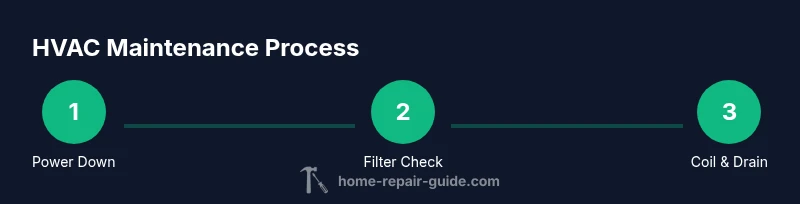
This section provides a high-level flow of common maintenance tasks that homeowners can perform safely. It covers (1) turning off power, (2) replacing or cleaning filters, (3) inspecting coils and fins for cleanliness, (4) verifying thermostat accuracy, (5) flushing or clearing the condensate drain, and (6) testing system response after a safety check. Each task improves airflow, efficiency, and comfort. Use this as a pre-check before any in-depth service and always defer to a licensed pro for refrigerant and electrical repairs.
Tools, materials, and how to assemble a basic hvac maintenance kit
Having the right tools makes hvac repair and service safer and faster. Assemble a kit with basic safety gear, a multimeter, a vacuum or hand-held pump, coil cleaner, coil fin comb, a refrigerant leak detector (if trained), replacement filters, screwdrivers, a flashlight, and lubricants for motors if recommended by the manufacturer. Keep spare fuses and a voltage tester on hand. Store tools in a labeled toolbox and maintain a clean, dry work area. If you ever feel uncertain, pause and consult a professional.
Authority sources and ongoing maintenance planning
To back up these guidelines, refer to trusted sources like the U.S. Department of Energy and the Environmental Protection Agency. Ongoing hvac repair and service relies on a scheduled maintenance plan that includes seasonal inspections, filter changes, and duct checks. A maintenance calendar helps you remember tasks, and keeping records of service visits aids warranty compliance. In addition to basic maintenance, consider energy-efficiency upgrades, such as programmable thermostats or better sealing, to reduce long-term costs. Based on Home Repair Guide research, a proactive approach yields fewer emergency repairs and more reliable comfort.
Tools & Materials
- Safety glasses(ANSI Z87.1 rated)
- Work gloves(Durable, resistant to oils)
- Flathead screwdriver(Small and medium sizes)
- Phillips screwdriver(Various sizes)
- Multimeter(Voltage and continuity checks)
- Digital manometer (optional)(For refrigerant pressure checks)
- Shop vacuum / vacuum with hose(Clean condensate line and area)
- Coil cleaner(For evaporator/condenser coils)
- Fin comb(Straighten bent fins)
- Replacement air filters(Match system size and MERV rating)
- Foil tape / duct tape(Temporary sealing)
- Lubricant (manufacturer-approved)(Some motors require lubrication)
Steps
Estimated time: Total: 45-75 minutes
- 1
Power down and prep safety
Locate the HVAC disconnect switch or circuit breaker for the outdoor unit and switch it off. Verify zero voltage with a multimeter or non-contact tester before touching any wires. This prevents shock and damage while you inspect components.
Tip: Double-check that all power sources are fully off before starting any inspection. - 2
Replace or clean air filters
Open the air handler or furnace cabinet, remove the old filter, and install a new one with the arrows pointing toward the blower. If reusable, rinse or vacuum the filter per manufacturer instructions and allow it to dry fully before reinstalling.
Tip: Check the filter size and MERV rating printed on the frame to ensure compatibility. - 3
Inspect coils and fins
Inspect evaporator and condenser coils for dirt buildup. Clean gently using coil cleaner and a soft brush; avoid bending fins. Use a fin comb to straighten any distorted fins for optimum airflow.
Tip: Do not spray coils aggressively; start from the top and work down to avoid forcing debris into the system. - 4
Verify thermostat accuracy
Check that the thermostat is set to the correct mode (cooling or heating) and calibrated. Compare room temperature with the reading on the thermostat to confirm accuracy. Replace batteries if needed and consider upgrading to a programmable model.
Tip: If you notice persistent temperature swings, the thermostat may be miscalibrated and warrant reinstallation. - 5
Clear condensate drain
Inspect the condensate pan and drain line for blockages. Use a small brush or vacuum to remove debris, and flush with a mild cleaning solution or vinegar if safe for your system. Ensure there are no leaks along the line.
Tip: Never pour solid objects into the drain; use a flexible snake or small kit designed for drains. - 6
Inspect electrical connections and capacitors
With power still off, inspect accessible electrical connections for signs of wear, corrosion, or loose screws. If you suspect a capacitor issue, do not touch it; capacitors can hold dangerous charge and require a pro to handle.
Tip: If you see swollen capacitors or burnt smells, stop and contact a licensed technician immediately. - 7
Test run and monitor performance
Restore power and run the system for 10-15 minutes. Listen for unusual noises, check for proper airflow, and verify temperature differential across supply and return ducts. Document readings and schedule professional service if anomalies persist.
Tip: Keep a simple maintenance log to track when tasks were done and what readings were observed.
FAQ
What is the difference between hvac repair and hvac service?
HVAC repair fixes or replaces failed components to restore function, while hvac service focuses on routine maintenance to prevent failures. Both are part of a healthy system lifecycle. Regular service helps identify potential problems before they escalate into repair needs.
HVAC repair fixes problems; hvac service prevents them with routine maintenance.
How often should I schedule hvac maintenance?
Most systems benefit from professional inspection annually, with basic checks every 6-12 months depending on usage. If you have pets, high humidity, or heavy occupancy, consider more frequent checks.
Annual professional inspections are typical; more frequent checks may help in busy homes.
Can I perform hvac maintenance myself?
You can safely perform basic maintenance like changing filters and checking thermostat settings. Do not attempt refrigerant handling, electrical panel work, or anything that requires charging or sealed-system procedures. When in doubt, consult a licensed technician.
Basic upkeep is doable, but refrigerant or high-risk tasks need a pro.
What are common signs my hvac needs repair?
Watch for rising energy costs, uneven cooling or heating, unusual noises or smells, system short-cycling, and frequent system shutdowns. These symptoms often indicate airflow problems, refrigerant leaks, or failing components.
Look for energy spikes, uneven temps, noises, or odors as repair signals.
Is it safe to handle refrigerants on my own?
Refrigerant work is regulated and requires certification in many areas. Handling leaks or recharging without credentials can be illegal and dangerous. Always rely on a licensed HVAC professional for refrigerant issues.
Refrigerants require licensed technicians; don’t DIY this.
Should I upgrade my thermostat during service?
Upgrading to a programmable or smart thermostat can improve energy savings and comfort. If your current thermostat is old or inaccurate, consider replacement during routine maintenance.
An upgraded thermostat often improves comfort and saves energy.
Do I need to have my ducts cleaned during maintenance?
Duct cleaning is not always necessary; it depends on indoor air quality, visible mold, or blower debris. Regular filter changes and duct inspections usually provide most benefits. Consult a professional if you notice persistent dust or allergies.
Duct cleaning depends on air quality; consult a pro if issues persist.
Watch Video
Key Takeaways
- Schedule regular hvac repair and service to prevent surprises.
- Perform only safe, basic maintenance; call a pro for refrigerant or electrical work.
- Document service and monitor energy use to optimize efficiency.
- Prioritize air quality with proper filtration and duct maintenance.