HVAC Blower Motor Repair: Step-by-Step Guide
Thorough, safety-first guide for hvac blower motor repair, covering diagnosis, motor selection, safe removal, replacement, and testing to restore airflow and system reliability.


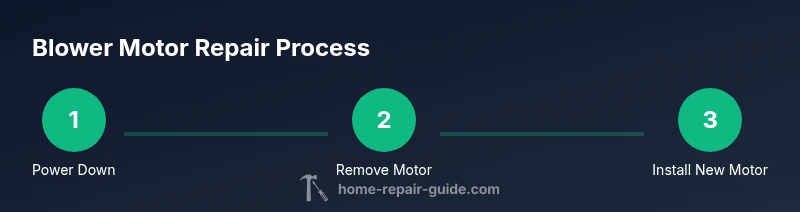
By the end of this guide, you will learn how to perform hvac blower motor repair: diagnose a fault, safely remove the motor, install a compatible replacement, and verify airflow. You'll need basic tools, a replacement motor, and safety gear. The method emphasizes caution, compatibility checks, and testing for durability.
Understanding the Role of the Blower Motor in HVAC Systems
According to Home Repair Guide, the blower motor is the heart of your furnace or air handler’s air distribution. It powers the squirrel-cage fan that pushes conditioned air through the evaporator coil and into living spaces. When the motor falters, airflow drops, noise increases, or temperature control becomes inconsistent. In this section we’ll break down what the blower motor does, outline common types (PSC, ECM, and shaded-pole designs), and explain why the motor’s electrical health matters as much as its mechanical condition. You’ll learn how to recognize early warning signs, so you can schedule maintenance before a minor issue becomes a costly breakdown. The goal here is to help homeowners and renters understand the connection between motor health, duct performance, and energy use. The Home Repair Guide team emphasizes that a clear diagnosis is the foundation of durable repairs, and that choosing the correct motor replacement is essential for efficiency and comfort.
Safety Considerations and Preparation Before You Start
Safety is non negotiable in hvac blower motor repair work. Power down the system at the breaker, then unplug any connected service cords. Use a non contact voltage tester to confirm the unit is dead before touching wires. Gather PPE such as safety glasses, gloves, and a long sleeve shirt to protect against sharp edges and hot surfaces. Create a clean work area, disconnect outdoor units if applicable, and have a fire extinguisher nearby. If you will be working with refrigerant lines or sealed areas, follow local codes and avoid releasing gases. The team recommends taking photos of wiring layouts before you touch anything, so reassembly is straightforward and mistakes are minimized.
How the Blower Motor Affects Airflow and Comfort
The blower motor sets the speed and volume of air moving through your ducts. A healthy motor ensures even temperatures and adequate filtration by maintaining consistent airflow across the evaporator and through registers. When the motor struggles, you may notice lower air volume, reduced cooling, or longer run times that waste energy. System balance depends on motor speed, duct topology, and filter condition. Inaccurate motor performance can also cause excessive static pressure that reduces efficiency and shortens equipment life. This section helps you understand the practical links between motor health, airflow, and comfort, so you can plan effective maintenance or replacement.
Common Failure Modes and How to Verify Them
Blower motors fail for a variety of reasons, including worn bearings, seized shafts, overheating, or failed capacitors. Before assuming the motor is the culprit, check for belt wear (if a belt driven system), inspect the blower wheel for debris, and test the capacitor with a dedicated tool or meter. Listen for grinding or screeching noises and feel for abnormal heat at the motor housing. Use a multimeter to verify winding resistance and ensure supply voltage matches the motor nameplate. If the shaft spins freely by hand without excessive play, the problem may lie elsewhere in the drive system or control circuitry. A careful verification process saves you from unnecessary replacements and keeps the system reliable.
Replacements: OEM vs Aftermarket and Selecting the Right Motor
Choosing the right replacement motor rests on matching electrical specifications such as voltage, RPM, horsepower, frame size, and shaft diameter. OEM motors guarantee exact fit and often quiet operation but can be pricier. Aftermarket options can save money if they meet the original specs and come with a solid warranty. Always verify data plate information on the existing motor and cross check with the furnace or air handler model guide. When in doubt, compare two or three options and consider supplier lead times, warranty terms, and overall performance to avoid mismatches that cause overheating or reduced airflow.
Workspace, Tools, and Step Planning
A clean, organized workspace reduces the risk of losing small parts and helps you stay on schedule. Prepare a labeled wiring diagram, gather the necessary fasteners, and set aside a container for screws and small parts. Use a magnetic tray and a camera or notes to document connections before removal. Ensure you have a stable ladder or access to the unit and clear space around the panels. Planning ahead reduces downtime and increases safety during the motor replacement.
Maintenance Practices to Extend Blower Motor Life
Preventive maintenance is your best defense against unexpected failures. Replace or clean air filters regularly to reduce dust that accelerates motor wear, inspect wiring for corrosion, and keep the blower wheel free of debris. Schedule periodic lubrication only if the motor manufacturer recommends it, and avoid over-lubricating which can attract dust. Regularly test capacitor health and power quality, and verify that duct joints are sealed and leaks minimized. When combined with good filtration and sealing, a properly maintained blower motor runs cooler, quieter, and longer.
When to Seek Professional Help and Warranty Considerations
Professional assistance is recommended when you encounter refrigerant handling, sealed systems, warranty constraints, or complex electrical diagnostics. A licensed HVAC technician will diagnose, replace the blower motor, and test the system for balance and airflow. If your unit is under warranty, professional service may be required to preserve coverage. Before scheduling service, request a clear written estimate and ask about parts warranty, service warranty, and expected test results after replacement.
Tools & Materials
- Safety gear (gloves, safety glasses, long sleeves)(Protects against sharp edges and electrical hazards)
- Non-contact voltage tester(Verify power is off at all stages)
- Multimeter(Check winding resistance and voltage)
- Screwdrivers set (Phillips and flat-head)(Might need torx or nut drivers depending on model)
- Socket set and ratchet(Remove mounting bolts)
- Replacement blower motor (correct spec)(Match voltage, RPM, frame, shaft length)
- Screw organizer or magnetic tray(Keeps fasteners from getting lost)
- Torque wrench (optional)(Avoid over tightening mounting bolts)
- Electrical contact cleaner(Clean terminals if corroded)
- Lubricant (if specified by motor)(Only if the motor calls for it)
- Labeling tape and marker(Label wires before disconnecting)
- Service manual for the unit(Manufacturer specs and wiring diagrams)
- Replacement capacitor (if needed)(Only if capacitor is faulty and specs match)
- Safety cooling mat or cover (for outdoor units)(Keep outdoor area safe)
- Emergency contact information(In case of issues during repair)
Steps
Estimated time: 60-120 minutes
- 1
Power down and isolate
Switch off the main breaker and unplug any service cords. Confirm the unit cannot be energized by testing with a non-contact voltage tester. This step prevents shock and protects safety during inspection and removal.
Tip: Double-check the external disconnect before touching components. - 2
Access the blower assembly
Remove access panels or service door and locate the blower housing. Note how the motor is mounted and how wires connect to the control board. Photograph wiring before disconnecting anything to ease reinstallation.
Tip: Use a magnetic tray for screws to avoid losing fasteners. - 3
Disconnect electrical connections
Carefully label and disconnect all wires from the blower motor and any speed taps. Do not force wires off terminals. Record terminal colors and functions for accurate restoration.
Tip: Take close-up photos of connectors from multiple angles. - 4
Remove the blower motor
Unbolt the motor from its mount and slide it out of the housing. Support the motor to avoid dropping it. Compare the old motor’s specs with the new one to ensure a proper match.
Tip: Use the correct size socket to avoid stripping bolts. - 5
Test the old motor (optional)
If you’re unsure about replacement viability, test the windings with a multimeter and check for continuity. A failed coil will show open circuit or ground faults.
Tip: Only perform electrical tests if you are confident in safe handling. - 6
Install the new motor
Position the new motor, align mounting holes, and secure with bolts to recommended torque. Reconnect power wires using your labeling as a guide. Reinstall the blower wheel if needed and verify clearance.
Tip: Tighten bolts evenly to avoid warping. - 7
Test run and airflow check
Restore power and run the system in a safe test mode. Listen for abnormal noises and observe airflow. Check for vibration and ensure the motor stays within normal temperature range.
Tip: Monitor for 5-10 minutes to confirm stability. - 8
Final checks and cleanup
Reinstall access panels, tidy wiring, and store old parts. Document the installation and note any warranty information. If issues arise, revert to step 1 to verify connections.
Tip: Keep a repair log for future maintenance.
FAQ
Can I replace the blower motor myself without refrigerant handling experience?
Yes, you can replace a blower motor as a DIY project if you can safely shut off power and follow wiring diagrams. However, refrigerant work and sealed systems require a licensed technician.
You can replace the blower motor if you can safely shut off power and follow the wiring diagram, but refrigerant work should be left to a pro.
What are common signs the blower motor is failing?
Common signs include reduced airflow, unusual sounds such as grinding or squealing, motor overheating, and frequent capacitor trips. If the motor stalls, inspect bearings and the blower wheel.
Look for weak airflow, new noises, and overheating—that often means the blower motor needs attention.
Do I really need a replacement motor or can I repair the windings?
Windings are rarely repairable in the field; replacement is usually the practical option when windings fail. A pro can verify whether rewinding is feasible.
Winding repair is rarely practical; replacement is the usual path.
How long does a typical blower motor replacement take?
A typical replacement takes about 1-2 hours for a straightforward setup, plus time for testing and cleanup. Complex systems may take longer.
Most replacements take around one to two hours, plus testing.
Is a new capacitor required when replacing the motor?
Often a capacitor is tested and replaced if it shows weakness; follow the unit’s specs and test results to decide.
Capacitors are often tested and replaced if needed; follow the specs.
Will this fix improve energy efficiency and airflow?
A correctly matched motor with proper duct sealing and clean filters can improve airflow and efficiency. It’s not a cure-all if ducts or filters are dirty.
Yes, with a matched motor and clean ducts, efficiency and airflow improve.
Watch Video
Key Takeaways
- Identify whether the motor or a related component is at fault
- Use proper motor specs to avoid premature failure
- Follow a safe, documented process for DIY repair
- Consider professional help for refrigerant or warranty concerns
- Maintain regular system maintenance to extend blower life