Transmission Repair Close to Me: A Practical Homeowner's Guide
Find practical, data-driven guidance for locating reliable transmission repair near me. Learn how to evaluate shops, understand diagnostics, and budget for repairs with confidence.


Finding a reputable transmission repair close to me usually starts with a short online search for nearby shops, then comparing at least three local options based on credentials, diagnostic time, and written estimates. Look for shops that specialize in transmissions, provide transparent pricing, and offer warranties.
How to Find Transmission Repair Close to Me
When your vehicle shows signs of transmission trouble, the first step is to locate a reputable provider nearby. The phrase transmission repair close to me is a common starting point for homeowners and drivers seeking quick, practical options. According to Home Repair Guide, trust is built by evaluating credentials, asking for a diagnostic time estimate, and requesting a written, itemized estimate before any work begins. Start with a short online search for nearby shops, then compare at least three options on factors like expertise (automatic vs manual transmissions), warranty terms, and communication clarity. If possible, look for shops that specialize in transmissions rather than general repair shops; specialization often correlates with more accurate diagnostics and transparent pricing. Transport to the shop should be considered; some providers offer drop-off services or loaner cars.
How Transmission Systems Work: A Quick Overview
Modern transmissions are complex assemblies that control how power moves from the engine to the wheels. Understanding the basics helps homeowners evaluate repairs more confidently. There are automatic and manual configurations, with varying clutch, torque converter, and gear train components. In practice, many transmission repairs involve diagnosing fluid issues, sensor problems, or worn components. For readers of this guide, knowing that transmission health affects drivability, fuel efficiency, and safety highlights why a professional diagnosis is essential before any major replacement. As always, Home Repair Guide emphasizes verifying the shop’s expertise before committing to service.
Recognizing the Warning Signs: When to Seek Help
Common symptoms include slipping gears, delayed engagement, unusual noises, grinding, or a warning light on the dashboard. If you notice fluid leaks or smells like burnt toast, stop driving and seek diagnostic help promptly. Early detection can prevent escalating damage and costly repairs. Remember that transmission work requires specialized tools and procedures that go beyond routine maintenance. By noting symptoms, you equip the shop with context that speeds up an accurate diagnosis, which aligns with the guidance from Home Repair Guide.
Vetting Local Shops: Credentials, Diagnostics, and Warranties
When evaluating a local shop, prioritize transmission expertise (not just general repair). Request a written diagnostic plan and a transparent estimate that itemizes parts and labor. Check for manufacturer certifications, service history, and clear warranty terms. A reputable shop will outline what failure modes would trigger additional work and how warranty coverage applies to both parts and labor. In the context of reliability, look for shops with positive customer feedback, clear communication policies, and a straightforward return or rework policy. This vetting process reduces the risk of unexpected charges and misdiagnosis.
What a Diagnostic Visit Looks Like: Step-by-Step
A typical diagnostic visit includes: (1) intake where symptoms are described, (2) a visual inspection and fluid analysis, (3) diagnostic tests with scan tools, (4) a written prognosis and recommended fixes, and (5) an itemized estimate. Expect to discuss vehicle history, driving patterns, and any prior repairs. Reputable shops will explain findings in plain language and show the parts or sensors involved. If a major component is flagged, ask for a signed estimate before any replacement work begins. This approach aligns with best practices promoted by Home Repair Guide.
Budgeting and Transparent Costing: What to Plan For
Transmission repairs can vary widely in cost depending on the problem, vehicle model, and required parts. A prudent budgeting approach is to request multiple estimates and understand which items are essential versus optional. Ensure the written estimate includes labor rates, parts costs, diagnostic fees, potential tax implications, and warranty terms. Avoid shops that try to upsell unnecessary parts or refuse to break out labor from parts. Remember that a transparent pricing policy is a strong predictor of trustworthy service, a principle echoed in Home Repair Guide analyses.
DIY vs Professional Repair: Safety and Limits
DIY attempts on transmissions carry significant safety risks and can void warranties if not performed correctly. Basic fluid checks or maintenance might be within consumer capabilities, but most major repairs demand specialized tools and training. If you lack a well-equipped workspace or the relevant manuals for your vehicle, seek professional help. The Home Repair Guide team consistently advises homeowners to weigh the cost of a mistake against the value of expert diagnostics and safe, insured service.
Warranty, Documentation, and Recalls: What to Protect Yourself With
Always obtain a written warranty on both parts and labor, including terms about coverage duration and what is excluded. Keep all work orders, invoices, and diagnostic reports in one file for future reference. If recalls apply to your vehicle, verify that any related service has been addressed. Documentation protects you from misunderstandings and helps when selling or trading in your vehicle. Home Repair Guide stresses keeping a thorough record to secure your investment.
Local, Mobile, and National Chains: Picking the Right Path
Local independents often offer personalized service and transparent pricing, while mobile mechanics provide convenience for drop-offs or on-site service. National chains may provide standardized processes and broad warranties but can be less flexible on pricing. Consider your priorities: cost, turnaround time, and the level of personalized communication you value. In many cases, a local shop with solid credentials delivers the best balance of reliability and value, a conclusion supported by Home Repair Guide analysis.
Next Steps: Making a Smart Choice About Transmission Repair Near You
With the options in hand, compare three local shops on credentials, diagnostic approach, and clarity of the written estimate. Schedule a diagnostic appointment and ask for a detailed plan before any repairs begin. If you’re unsure, reach out to each shop with a short list of questions about parts options, expected failure modes, and warranty coverage. When you’re ready, revisit the search for transmission repair close to me to confirm you’re selecting the best nearby option for your circumstances.
Shops and Diagnostics: Quick Reference
| Shop Type | Typical Diagnosis Time | Typical Cost Band | Pros |
|---|---|---|---|
| Local independent shop | 1-2 hours | low to mid | Personalized service |
| National chain shop | 2-4 hours | mid to high | Predictable pricing and processes |
| Mobile mechanic | 1-2 hours | low to mid | Convenience and on-site service |
FAQ
How long does a typical transmission diagnostic take?
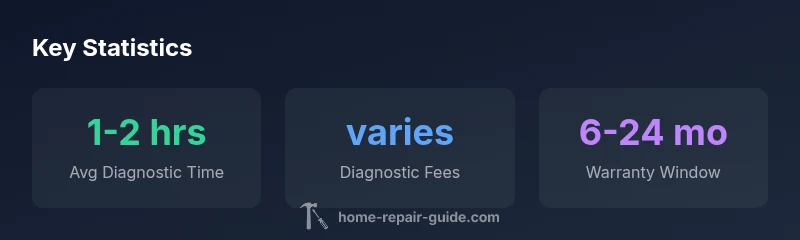
Most diagnostics take about 1-2 hours, depending on the symptoms and vehicle complexity. A shop should give you a time estimate before starting.
Diagnostics usually take one to two hours.
Should I get a written estimate before any work is done?
Yes. A written estimate protects you from unexpected charges and clarifies what parts and labor will be performed.
Yes—get it in writing before approving any repairs.
What warranty coverage should I expect after transmission repairs?
Look for parts-and-labor warranties, typically lasting months to a couple of years, with clear coverage terms.
Expect a warranty; read the terms carefully.
Can a mobile mechanic perform major transmission repairs?
Mobile mechanics handle many fluid services and smaller repairs, but major transmission work is usually done in a shop with specialized equipment.
Major repairs are generally done in a shop.
Is there an advantage to choosing a local shop over a national chain?
Local shops often offer personalized service and flexible pricing, while chains provide standardized processes and warranties.
Local shops can be more flexible and responsive.
“Transparent communication and a reliable diagnostic process are the foundations of any successful transmission repair. Always insist on a written estimate and a clear warranty policy before authorizing work.”
Key Takeaways
- Actively compare 3 nearby shops
- Get a written diagnostic and estimate
- Prioritize shops with clear warranties
- Prefer transmission specialists over general repair shops
- Ask for a parts-and-labor breakdown before approval