Engine Repair Shop Near Me: Find a Reliable Auto Shop Nearby
Learn how to locate a trustworthy engine repair shop near you with credential checks, pricing transparency, and clear warranties. This guide helps homeowners compare estimates and avoid scams.


To find an engine repair shop near me, start by verifying credentials, reading reviews, and comparing pricing. The best shops offer transparent diagnostics, upfront estimates, and clear warranties. Look for ASE-certified technicians and a written warranty. This guide helps homeowners locate trustworthy auto repair services nearby and avoid common scams. Also ask for diagnostic time estimates and proof of technician qualifications before authorizing work.
Why homeowners search for engine repair shop near me
According to Home Repair Guide, locating an engine repair shop near me is about evaluating credentials, transparency, and long-term reliability. Car engines are complex, and a trustworthy shop will combine diagnostic rigor with clear communication rather than pressure tactics. Proximity matters for convenience, but it should not trump expertise, parts quality, and warranty protections. When you search for an engine repair shop near you, consider three core factors: credibility, transparency, and accountability. Credibility comes from formal certifications, experienced technicians, and a track record of working with your vehicle’s make and model. Transparency means upfront pricing, itemized estimates, and an explained diagnostic process. Accountability is shown by written warranties, documented service histories, and the ability to revisit work if issues recur. Home Repair Guide's analysis of hundreds of local shops in 2026 shows that consumers who prioritize credentials, warranties, and written estimates report higher satisfaction and fewer post-service problems. As you evaluate options, map out nearby shops, check their hours, service scope, and whether they offer loaner vehicles or shuttle service to minimize downtime.
How to evaluate an engine repair shop
A rigorous evaluation starts with credentials and equipment. Look for ASE-certified technicians, technician warranties, and current licenses where required. Ask about the shop's diagnostic tools, whether they use OEM or aftermarket parts, and how they verify part compatibility with your engine. Equipment like lab scanners, engine dynamometers, and cylinder leak testers are signs of a capable shop. Check the shop's warranty policy for labor and parts, and confirm how long the warranty lasts and what it covers. An established shop should provide a written estimate with an itemized breakdown before any work begins, plus a clear plan for testing and potential next steps if the issue persists after repair. Also, review customer feedback focusing on communication, timeliness, and follow-up support. Note whether the shop offers a preliminary diagnostic appointment, and if there are fees waived with service. A transparent process reduces miscommunication and the chance of unexpected costs, which is especially important for engine repair that can vary widely by vehicle make and model.
What to ask before authorizing work
Before you authorize any repairs, ask for a detailed, itemized estimate that separates diagnostic fees from labor and parts. Request the exact hourly labor rate, expected total hours, and whether the price includes gaskets, filters, or other common consumables. Inquire about the warranty on parts and labor, and whether the warranty transfers with the vehicle ownership. Clarify whether the shop will notify you of any price changes before continuing, and what happens if a replacement part is unavailable. If possible, obtain approval for diagnostic steps and a bounded scope of work to avoid scope creep. Finally, confirm the payment terms and whether a loaner vehicle or shuttle is available during the repair.
Understanding pricing and estimates
Pricing for engine work varies widely by vehicle and region, but the most reliable quotes separate diagnostic fees from repair costs and parts. Expect a diagnostic fee to cover fault identification and test procedures, often credited toward the final bill if you proceed with the repair. Labor charges should be quoted as an hourly rate with an estimated total time, plus expected parts costs and any core charges or disposal fees. When you receive quotes, compare the itemized line items rather than the total price. Be cautious of quotes that are significantly lower than others; they may reflect lower-quality parts or a rushed diagnostic. If a shop uses refurbished parts or aftermarket components, ask about interchangeability, warranty terms, and the impact on your vehicle’s warranty. Finally, request a written policy on price adjustments if the diagnosis reveals a different issue than initially suspected.
Red flags and scams to avoid
Some shops use aggressive sales tactics to push unnecessary repairs, while others won’t provide a written estimate or will demand upfront payment with vague terms. Avoid shops that refuse to show you diagnostic results, that push for nonessential items, or that delay work due to unavailable parts without a clear plan. Be wary of dramatically low quotes, as they may indicate inferior parts or rushed service. If a shop asks you to sign a blank or incomplete estimate, walk away. Finally, avoid shops that promise immediate results without a thorough diagnostic, or that advise you to replace multiple components without showing test results.
Prepare your vehicle and plan for service
To streamline the process, bring a copy of the vehicle’s service history, relevant maintenance records, and any recent diagnostic codes. Note down your symptoms with when they occur, such as during acceleration, idling, or after a cold start. Remove valuables and ensure you have a timeline in mind for pickup or transportation. If you rely on a loaner car, confirm availability and any related fees in advance. Finally, consider requesting a written check-in after the diagnostic test and a proposed work plan with turnaround estimates so you can schedule a convenient appointment window.
Typical cost framework for engine repair work
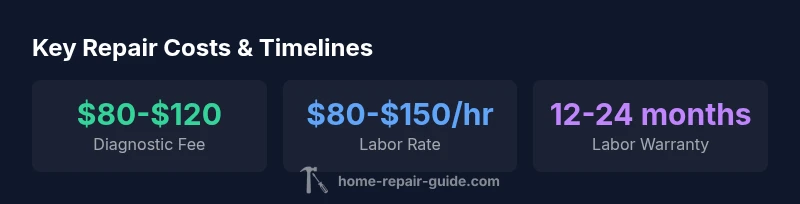
| Item | Typical Range | Notes |
|---|---|---|
| Diagnostic fee | 80-120 USD | Credit toward repair if you proceed |
| Labor rate | 80-150 USD per hour | Geography dependent |
| Turnaround time (common fixes) | 2-6 hours | Parts availability dependent |
| Labor warranty | 12-24 months | Varies by shop |
FAQ
How do I verify a repair shop's credentials?
Check ASE certification, licenses, and ask to see technician qualifications. Look for updated shop licenses and warranty policy.
Check ASE certs and licenses; ask to see tech qualifications.
What should I ask for in a written estimate?
Ask for an itemized estimate that separates diagnostic fees, labor, and parts, plus warranty terms and what happens if prices change.
Get a detailed, written estimate before you approve work.
How can I avoid scams when choosing a shop?
Avoid shops that refuse estimates, push unnecessary repairs, or require upfront payment without details. Compare quotes.
Get quotes from a few shops and watch for pressure tactics.
Is there a price difference between OEM and aftermarket parts?
OEM parts match factory specs but may cost more; aftermarket parts vary in quality. Ask about interchangeability and warranty.
Ask which parts will be used and what the warranty covers.
What should I do if the quote changes after work begins?
Stop work, request a revised estimate, and document changes. If the price spikes, ask for justification.
Don't authorize extra work until you have a new quote.
What is the typical warranty on repairs?
Most shops offer 12-24 months on parts and labor; verify coverage for the specific job.
Check the warranty duration before work starts.
“Transparent processes and qualified technicians are the backbone of trustworthy engine repair work. A written warranty and clear diagnostic steps protect you from surprises.”
Key Takeaways
- Verify credentials and read reviews before selecting a shop.
- Request itemized estimates and written warranties for transparency.
- Compare multiple quotes to benchmark pricing and avoid overcharges.
- Ask about diagnostic steps and parts quality upfront.