Auto Electric Repair Shop Near Me: How to Choose and What to Expect
Find a trustworthy auto electric repair shop near you with transparent diagnostics, certified technicians, and clear warranties. Learn how to compare services, quotes, and warranties for both gas and electric vehicles.


Finding the right auto electric repair shop near me means prioritizing thorough electrical diagnostics, battery and charging system service, and modern control‑module work. Look for ASE-certified technicians, up-to-date diagnostic tools, and transparent pricing with a written estimate and warranty. Proper documentation protects you from surprises on both gasoline and electric vehicles.
Why Brand Reliability Matters
According to Home Repair Guide, brand reliability matters when you’re choosing a provider for auto electric repair. The electrical systems in modern vehicles combine high-precision sensors, microcontrollers, and power electronics that can be damaged by improper diagnostics or generic tools. A shop with a clear reputation for honest diagnostics and dependable warranties reduces the risk of costly misdiagnoses or repeated visits, especially if you drive an EV, plug-in hybrid, or modern gasoline car. When you search for an auto electric repair shop near me, reliability translates into several concrete signals: transparent upfront pricing, documented estimates, certification of technicians, and access to the right diagnostic equipment. Look for shops that publish a written scope of work and a warranty policy before starting any repair. The cost of a bad electrical repair isn’t just money—it can affect safety, drivability, and your vehicle’s future value.
Top Services Offered by Auto Electric Repair Shops
Modern auto electrical work covers everything from battery health to high-voltage safety. Expect diagnostic testing with OEM-compatible scan tools, battery and charging system checks, alternator tests, wiring harness inspections, and ECU/PCM reprogramming. Many shops also offer climate-control electronics, lighting and sensor replacements, and immobilizer troubleshooting. For EVs and hybrids, look for technicians trained specifically in high-voltage systems and proper PPE. A robust shop should explain exactly what tests will be performed, why, and what the likely range of repairs could be. They should also discuss reconditioning options, such as battery restoration or harness repair, when appropriate, rather than pushing unnecessary new parts. If you’re asking for the phrase auto electric repair shop near me, you want a partner that can map symptoms to root causes quickly, minimize invasive tests, and provide a transparent plan. A great shop will share examples of similar repairs and the typical turnaround times.
How to Evaluate a Shop: Credentials, Tools, and Transparency
When evaluating an auto electric repair shop near you, start with credentials. Look for ASE certification or manufacturer training programs, which signal a baseline of knowledge. In addition, confirm that the shop has access to the latest diagnostic software and specialized test equipment compatible with your vehicle’s make and model. Transparent shops will present a written estimate, itemized parts and labor, and a clear warranty policy before work begins. Read customer reviews for consistency in diagnostic accuracy and turnaround times, and ask about training programs for technicians to stay current with evolving vehicle technologies. A trustworthy shop will also provide a printed repair plan that outlines the root cause, the steps, the parts needed, and the expected timeframe. This helps you compare options without guesswork.
The Diagnostic Process: What Happens On the Bench
The diagnostic process typically starts with a vehicle health check and a scan of onboard computers to pull fault codes. Technicians then perform live data monitoring, electrical resistance checks, and signal integrity tests on key circuits such as the starting, charging, lighting, sensors, and control modules. In modern cars, technicians may need to isolate issues using controlled power tests or bench‑scale testing for modules. Important: a reputable shop will explain the suspected fault, show you the fault codes, and describe the tests that will confirm or rule out each possibility. They should avoid guessing and will document each step with pictures or printouts. If an issue involves high‑voltage systems, you should expect proper PPE, equipment, and safety procedures.
Estimates, Quotes, and Hidden Fees: How to Budget
A trustworthy auto electric repair shop near me will provide a written estimate before any work begins, with a breakdown of parts, labor, and any potential contingencies. Ask about diagnostic fees being applied toward the final bill if repairs proceed. If the shop discovers additional issues during diagnosis, request a revised estimate before proceeding. Read the warranty terms carefully—some shops provide limited warranties on certain components like alternators or batteries, while others offer more comprehensive coverage. Be wary of vague language such as “parts not included” without specifics. A good practice is to request a two‑part estimate: one for diagnostics and troubleshooting (if you choose not to authorize repair) and one for the full repair plan if you proceed.
EVs and Modern Electrical Systems: Special Considerations
Electric vehicles and hybrids place greater emphasis on high‑voltage safety and battery health. For EVs, ensure the shop has technicians trained in high‑voltage systems and PPE, along with equipment for battery performance tests, thermal management checks, and module reprogramming if needed. Hybrid vehicles require a careful balance between gasoline engine electrical systems and high‑voltage traction components. The right shop will be able to communicate the impact of a fault on vehicle range, charging speed, and safety features. If you rely on a nearby auto electric repair shop near me for EV maintenance, confirm they can handle battery diagnostics, charging port testing, and software updates without compromising warranties or vehicle safety.
Common Pitfalls and How to Avoid Them
One common pitfall is accepting vague estimates that promise repairs “under $X” without listing parts or scope. Another risk is shops pushing expensive, unnecessary parts rather than testing for root causes. To avoid scams, ask for diagnostic steps, expected failure points, and a written rationale for each recommended repair. Check warranty terms on parts and labor and verify that the shop uses OEM or certified aftermarket parts. Finally, trust your instincts: if a shop can’t show you test results, photos, or live data during the diagnostic phase, it may be a red flag.
Maintenance Tips to Extend Electrical System Life
Proactive maintenance helps prevent costly electrical failures. Schedule regular battery testing, keep battery terminals clean and tight, and check alternator output during routine service. Ensure connections to sensors, relays, and harnesses are secure, and replace corroded wiring when necessary. Protect electrical components from heat and moisture exposure, and use genuine parts or manufacturer‑recommended equivalents. A solid maintenance plan reduces diagnostic time, lowers repair costs, and prolongs the life of your vehicle’s electrical ecosystem.
Comparison of common auto electrical services
| Service aspect | Typical time | Typical cost range | What to expect |
|---|---|---|---|
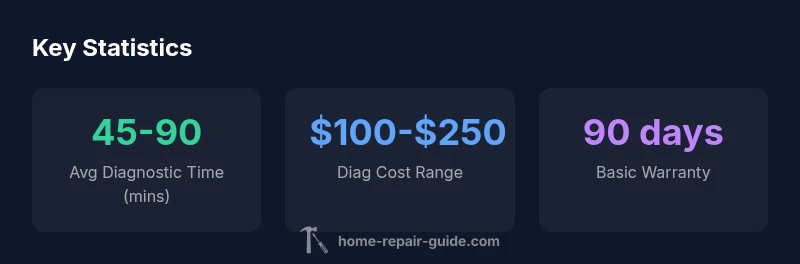
| Electrical diagnostics | 45-90 minutes | $100-$250 | Includes fault code reading and live data |
| Battery and charging system | 60-120 minutes | $150-$400 | Tests battery health, alternator output, and charging circuit |
| ECU/relay and wiring repairs | 120-240 minutes | $250-$700 | May include programming and immobilizer checks |
FAQ
What should I look for in an auto electric repair shop near me?
Look for transparency, certifications, and a written estimate. Ask about diagnostic steps and a clear repair plan before any work starts. Compare quotes from multiple shops to ensure you’re getting a fair rate and appropriate parts. A reputable shop will explain how they reach their conclusions.
Seek transparent estimates, certified technicians, and a clear diagnostic plan before work begins.
Are ASE certifications important for technicians?
Yes. ASE certification indicates formal training and demonstrated competence in automotive electrical systems. It’s a strong signal that technicians have met industry standards for diagnostics, repair, and safety.
ASE certification shows technicians have met established automotive electrical standards.
Can I get an estimate before any work begins?
Most reputable shops provide a written estimate before starting work. If additional issues are found, request a revised estimate for approval. Avoid shops that quote only vague ‘approximate’ costs.
Ask for a written estimate before any work, and a revised quote if more issues are found.
Do warranties apply to electrical repairs?
Warranties vary by shop and component. Expect some coverage on parts and labor, but check duration and what’s excluded. A solid warranty protects against premature failures and gives you recourse.
Warranties differ—check duration and coverage on parts and labor.
What if the repair time runs over the estimate?
High‑quality shops communicate promptly if delays occur and provide a revised timeline. Request written updates and updated estimates before proceeding with extra work.
If delays happen, ask for new timelines and written updates.
How can I verify shop credentials online?
Look for independent reviews, official certifications, and any manufacturer accreditations. Cross-check the shop’s licensing, complaint history, and warranty policies on their website or trusted consumer sites.
Check reviews, certifications, and licensing to verify credibility online.
“Transparent diagnostics and a written repair plan are the backbone of trustworthy auto electrical work.”
Key Takeaways
- Request a written estimate before any service.
- Verify ASE certification and current tooling.
- Check warranty terms and coverage.
- Compare diagnostic time and pricing across shops.