Electronics Repair Near Me: A Practical Guide to Finding Trusted Technicians
Find reliable electronics repair near me with our practical guide. Learn to compare local shops, understand typical costs, and choose trusted technicians with confidence.


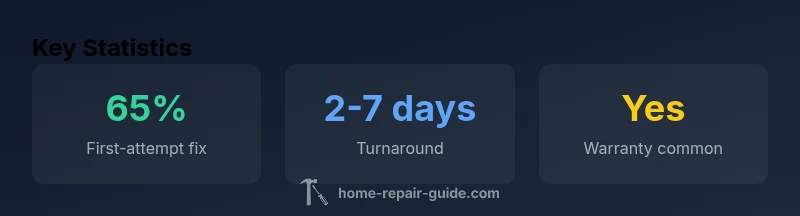
To find quality electronics repair near me, compare credentials, warranties, and turnaround times among local shops. Look for certified technicians, transparent diagnostic fees, and clear repair quotes. Check reviews from other customers and ask about parts sourcing and service after the repair. Home Repair Guide's analysis shows upfront pricing and warranties deliver better long-term value.
Why Local Electronics Repair Matters
In today’s tech-driven homes, electronic devices play a central role in communication, entertainment, and daily productivity. When a device falters, waiting for mail-in service or distant technicians can cost time and create frustration. Local electronics repair near me offers faster turnaround, easier follow-up, and a chance to keep devices under warranty with trusted, nearby professionals. Local shops often understand regional power standards, compatibility concerns, and common device issues that generic mail-in centers may overlook. The Home Repair Guide team notes that proximity often correlates with better communication and accountability, since you can physically visit a shop or discuss options in person. In this guide we’ll examine how local providers differ from larger chains and what to expect from a dependable neighborhood option. By prioritizing transparency, verified credentials, and a clear repair plan, you’ll reduce downtime and extend device life.
Key criteria when selecting a repair service
Choosing the right electronics repair near me starts with a clear set of criteria. First, verify credentials: look for certifications from recognized organizations and any manufacturer-authorized service status. Second, demand a written diagnostic and repair estimate, including a parts list and labor, so you have a fixed scope to reference. Third, assess turnaround times: a trustworthy shop should provide a realistic window and update you if delays occur. Fourth, examine warranties on parts and workmanship; longer warranties usually indicate confidence in repairs. Fifth, review the shop’s data privacy practices and handling of user data if the device contains sensitive information. Finally, compare aftercare options: availability of pick-up/delivery, loaner devices, and service follow-up if problems recur. Use a simple checklist to record your findings and compare notes across multiple shops.
What to expect during the repair process
Most electronics repairs begin with a diagnostic assessment to identify root causes and potential risks. The technician will explain what failed, why, and whether the device can be repaired cost-effectively. Expect a transparent parts list and a time estimate, and beware of vague promises. Some devices require a bench test after assembly to ensure proper operation and safety. You should be asked to approve any non-standard parts or upgrades, and you should receive a written summary of the repair plan, including warranty terms. If data safety matters, ask about firmware backups and data protection during service. Throughout the process, maintain open communication with the technician and request status updates at defined milestones.
Cost considerations and budgeting
Costs vary by device and problem complexity. Diagnostics can range widely by shop and device type, but a clear policy is essential. Typical repair costs combine labor and parts; cheaper quotes may come from low-cost markets but may rely on inferior components or limited warranties. When budgeting, request a worst-case estimate and a best-case estimate, with a defined scope of work and a written warranty. Always ask whether the price includes tax, disposal fees, and future maintenance, and clarify any additional charges for rush work or after-hours service. For common consumer electronics like smartphones and laptops, weigh the value of repairing versus replacement, and consider the device’s age and anticipated remaining useful life. In many cases, a mid-range repair with a solid warranty delivers much longer life than a quick fix.
Safety, warranties, and aftercare
Handling electronics repair near me safely starts with selecting a certified technician and following manufacturer guidelines. Many reputable shops honor a parts-and-labor warranty, typically ranging from 90 days to a year. Verify what is covered—sometimes only parts are warranted, or coverage excludes accidental damage. After repair, test critical functions in a controlled way and request documentation of the work performed. Store any replaced components and diagnostic notes for future troubleshooting. If your device is under manufacturer warranty or extended coverage, confirm which repairs void it and whether the service provider can coordinate with the original manufacturer for warranty work. Finally, schedule ongoing checkups as part of your home maintenance plan to catch issues early.
DIY vs professional repair: when to call a pro
DIY repair can seem appealing for minor issues, but many electronics require specialized tools and knowledge. Attempting a repair without proper electrostatic discharge protection, equipment, or safety procedures can cause further damage or create safety hazards. A professional keeps up with the latest service bulletins, recalls, and replacement parts catalogs, and can perform tests to verify board-level integrity. In many cases, attempting repair yourself also voids existing warranties or consumer protections. If you’re unsure about the device’s fault, or if disassembly looks complex, it’s best to contact a local electronics repair near me with a proven track record and transparent pricing.
How to evaluate quotes and select a technician
Start by collecting at least three quotes from reputable shops within reasonable distance. Use consistent criteria: diagnostic approach, parts quality (OEM vs aftermarket), warranty terms, and estimated completion date. Request a line-by-line breakdown of costs and ensure the quote is valid for a defined period. Check references and reviews, especially from customers who had similar devices repaired. Confirm the shop’s privacy practices if the device contains sensitive data and ask whether a diagnostic fee is credited toward the repair if you proceed. Finally, ensure the technician will provide a final test and a written summary of the work and any follow-up steps.
Maintenance tips to extend device life
Preventive care helps reduce repair frequency and extend the life of your electronics. Regular software updates and firmware checks keep devices secure and functioning smoothly. Practice careful charging, avoid overheating, and use protective cases and surge protectors where appropriate. For televisions and monitors, ensure proper ventilation and perform periodic screen checks. For laptops, clean fans and replace aging batteries according to manufacturer guidelines. Before service, back up data and disable remote access features if possible. After repair, follow the technician’s maintenance plan, schedule routine checkups, and keep records of all service for future reference.
Next steps after finding an electronics repair near me
Now that you know what to look for, start by compiling a short list of nearby shops. Use search terms like electronics repair near me on maps and directories, then vet each candidate’s credentials, warranty policy, and estimated turnaround. Schedule intake calls to discuss your device, ask for a diagnostic, and request a written estimate. Compare quotes and references, and choose the option that offers transparency, reliable follow-through, and a clear repair plan. If possible, choose a shop with a manufacturer certification or affiliation, and keep your records organized for future checks.
Representative repair estimates by device category
| Device Type | Turnaround Time | Typical Cost |
|---|---|---|
| Smartphones | 2-6 days | $60-$180 |
| Laptops/Tablets | 3-7 days | $100-$350 |
| Televisions/Monitors | 5-10 days | $120-$400 |
FAQ
What counts as 'electronics repair near me'?
It includes local service shops, mobile technicians, and authorized repair centers within your city.
Local technicians and shops nearby.
Do diagnostic fees apply and are they refundable?
Most shops charge a diagnostic fee; it may be waived if you proceed with the repair.
Most shops charge a diagnostic fee; it may be waived if you proceed.
What warranty coverage should I expect after repair?
Warranties range from 90 days to a year, covering parts and workmanship depending on the shop.
Warranties usually cover parts and workmanship for 90 days to a year.
Is it safer to repair at a local shop than mail-in service?
Local shops provide in-person communication, immediate follow-up, and safer data handling; mail-in can delay repairs.
Local shops let you talk face-to-face and get quicker follow-up.
How do I compare quotes effectively?
Compare diagnostic approach, parts quality, warranty, and total cost; request written estimates.
Compare what’s included: parts, labor, warranty, and total cost.
What red flags should I watch for?
Unusually low quotes, vague diagnoses, high-pressure sales, or promises of impossible outcomes.
Watch for unrealistically low prices and pressure.
“Reliable electronics repair hinges on transparency, qualified technicians, and durable parts.”
Key Takeaways
- Compare credentials and warranties before booking
- Obtain upfront diagnostics and quotes
- Prefer local shops with transparent pricing
- Ask about parts warranty and post-repair support