Find a tv repair shop in my area: practical guide
Discover how to choose a reliable tv repair shop in my area, what services to expect, and how to estimate costs with practical tips from Home Repair Guide.


Finding a tv repair shop in my area means weighing speed, legitimacy, and value. Local shops often offer faster diagnostics, clearer warranties, and easier pickup. Look for manufacturer authorization, transparent pricing, and verified parts. This quick guide helps you start with trusted nearby options.
Why finding a tv repair shop in my area matters
Finding a tv repair shop in my area matters because proximity affects both cost and experience. Local technicians can run diagnostics in person, explain issues in plain language, and verify the TV's operation immediately after repair. According to Home Repair Guide, nearby shops vary considerably in specialization, equipment, and warranty terms, so a quick local search reduces the risk of misdiagnosis and shipping delays. When you visit a nearby shop, you can discuss your TV model, firmware version, and warranty status face-to-face, which helps you understand the scope of work and avoid overcharging for unnecessary fixes. In addition, a neighborhood repair shop tends to offer better accessibility if you need follow-up service or if your TV requires a second visit. Consumers benefit from more flexible scheduling options and the possibility of same-day or next-day diagnostic checks, especially if the issue is intermittent. Choosing a local shop also supports your community and makes it easier to compare multiple options side by side before deciding.
How to evaluate local tv repair shops
Evaluating a local repair shop begins with credibility and transparency. Start by confirming whether the shop is an authorized service center for your TV brand; this affiliation often impacts the availability of original parts and the accuracy of diagnostics. Request a written estimate that breaks down diagnostic fees, labor, and replacement parts, and ask if the diagnostic fee is credited toward the repair if you proceed. Check whether the shop has certified technicians who can run on-site diagnostics, verify serial numbers, and provide a detailed warranty on repairs. Read online reviews from other local customers, but also consider direct conversations with the technicians about their experience with your exact model. Finally, verify parts availability and turnaround assumptions — a shop that can source parts quickly and perform tests while you wait is typically more reliable than one requiring long lead times.
Services you should expect and what to avoid
A reputable local repair shop should offer a range of services: comprehensive diagnostics, power supply repairs, motherboard or video board repair, backlight replacement, firmware updates, and post-repair testing with you present. They should be able to explain the root cause, provide part-only and labor cost estimates, and present warranty terms for both parts and workmanship. Avoid shops that pressure you into unnecessary repairs, quote alarmingly low prices without detailing parts, or refuse to provide a written estimate. Be cautious of shops that insist on sending your TV to a third-party facility without giving you the option of in-house repair or a clear path to return the TV if the issue recurs. A transparent service plan, including a preliminary diagnostic report and a warranty on repaired components, is a strong indicator of reliability.
Cost, turnaround, and when to replace vs repair
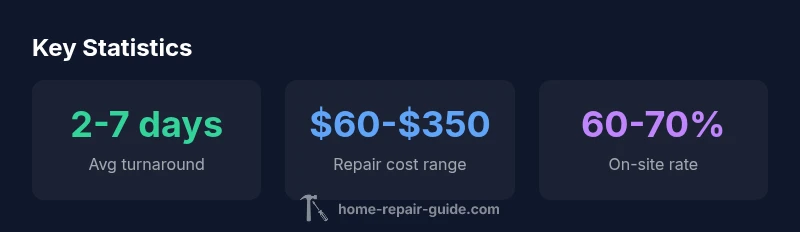
Cost and turnaround hinge on the model, age, and parts availability. Commonly, diagnostic fees range from modest to waived when parts are replaced, while labor and parts could together span a wide price band. Turnaround time might be shorter for common issues but longer for board-level repairs or rare panels, especially if original parts must be ordered. A practical rule of thumb is to compare repair costs against the price of a replacement TV with similar features — if repair costs approach or exceed half of a new unit's price, replacement may be a smarter option. For older models with limited support, consider long-term reliability and energy efficiency improvements when deciding.
Steps to prepare your TV for repair and safe drop-off
Before handing over your TV, gather essential information: model number, serial, firmware version, a clear description of the issue, dates when the problem occurred, and any recent incidents (lightning strikes, power surges). Remove personal data from any connected smart TV apps and apps that might store login information. Photograph external damage and note any unusual sounds or smells. If possible, remove fragile accessories and keep the remote and power cable handy. Confirm transport logistics with the shop, including how the TV should be packed. When dropping off, provide the diagnostic notes you prepared, and request a written estimate and warranty terms. Finally, ask about on-site testing or a demonstration after completion to ensure the issue is fully resolved.
How to verify credibility and avoid scams
To avoid scams, verify the shop’s physical address and phone number, and cross-check the business with local business registries. Ask for a written warranty and ensure it covers both parts and labor for a reasonable period. Request model-specific input from the technician and avoid shops that provide generic explanations without referencing your exact TV model. Look for clear, itemized quotes and a transparent parts procurement policy, including whether refurbished parts are used and what quality standards apply. If a shop refuses to put estimates in writing or pushes you into immediate payment, consider shopping elsewhere. A credible local shop will encourage questions and provide clear, testable next steps for verification after repair.
Practical steps to pick the right shop near you
Start by shortlisting 3–5 nearby shops and contact them to compare quotes and availability. Ask about manufacturer authorization, warranty coverage, and whether they use factory-original parts for your model. Visit a shop in person if possible to observe cleanliness, tools, and technician professionalism. Request references from recent customers and contact them to verify satisfaction. Finally, trust your instincts: a shop that communicates clearly, respects timelines, and demonstrates technical knowledge is more likely to deliver a reliable repair.
Typical TV repair scenarios and expectations
| Repair Type | Typical Cost Range | Turnaround Time |
|---|---|---|
| Power supply board repair | approximately $100-$400 | 2-7 days |
| Panel replacement (if available) | varies widely | 1-4 weeks |
| Firmware update / calibration | free-$50 | same day |
FAQ
What should I ask before agreeing to a repair?
Ask about authorization, warranties, diagnostic fees, and whether estimates are itemized. Request a written quote with a clear breakdown of parts and labor before any work begins. Confirm the expected turnaround and whether the diagnostic fee credits toward the final repair.
Ask for authorization status, warranties, and a written, itemized quote before any work starts.
How can I tell if repair is worth it vs replacement?
Compare the repair cost with the current price of a new or refurbished model with similar features. Consider the age of the TV, expected remaining lifespan, and energy efficiency. If repair costs approach or exceed half the price of a replacement, replacement may be smarter.
Weigh repair cost against replacement price and the TV’s age to decide.
Are diagnostic fees always charged?
Many shops charge a diagnostic fee unless you proceed with the repair, but some waive it if you authorize the repair. Always ask for the diagnostic fee amount in writing and whether it will be credited toward the repair if you proceed.
Ask up front if diagnostics are charged and if the fee credits to repair.
Can I trust a local shop with my data?
Smart TVs can store app data and login credentials. Choose shops that follow data privacy best practices and request they wipe sensitive data if you’re uncomfortable with leaving the device connected.
Ensure data privacy and ask about data handling before repair.
What is the best way to verify shop credibility?
Look for clear contact information, a physical address, certifications or manufacturer authorizations, and customer testimonials. Request written warranty terms and a direct contact for post-repair support.
Check licenses, warranties, and reviews before committing.
“Local repair shops with manufacturer-authorized service capabilities often deliver faster diagnostics and clearer warranties than generic electronics services.”
Key Takeaways
- Compare multiple local tv repair shops to get the best price.
- Ask about manufacturer authorization and warranties.
- Clarify parts availability and turnaround before booking.
- Prefer on-site repair options when possible.
- Consider replacement vs repair for very old models.