Find a Car Repair Shop Nearby: A Practical Guide
Discover how to locate a trustworthy car repair shop nearby, compare estimates, and choose a local auto expert with transparent pricing and solid warranties. A data-driven guide from Home Repair Guide.


A car repair shop nearby is a local auto repair facility that serves your area, offering maintenance, diagnostics, and repairs with trained technicians. Look for proximity, transparent pricing, clear warranties, and credible reviews to ensure reliable service. Compare several options, check hours, and verify certifications before scheduling. This quick definition helps you quickly assess options when searching for 'car repair shop nearby'.
Why local car repair shops matter for reliability
Choosing a car repair shop nearby offers tangible advantages beyond convenience. Proximity cuts travel time, which reduces the stress of getting a vehicle fixed, especially during emergencies or on tight schedules. Local shops tend to know your area’s common traffic patterns and environmental conditions, which can influence maintenance needs and parts availability. More importantly, a nearby shop is easier to revisit if follow-up diagnostics are required, ensuring continuity of care. The Home Repair Guide team finds that proximity often correlates with better communication, since you can speak with the technician in person and review the vehicle together. For many drivers, a neighborhood shop becomes part of the vehicle’s care ecosystem, offering ongoing maintenance programs, reminders, and loyalty benefits that chain stores rarely provide. When you search for "car repair shop nearby," you’re not just finding a location—you’re seeking a partner who understands your vehicle in the context of your everyday life.
How to assess proximity and accessibility
Start with a simple map-based search to identify shops within a reasonable radius. Consider the following accessibility factors: proximity (preferably under 15 miles in urban areas, longer in rural regions), hours that align with your schedule (evening or weekend availability helps), and parking access for dropping off a vehicle. If you rely on rides or public transit, verify whether the shop offers courtesy shuttle services or convenient drop-off options. Also, evaluate the shop’s ability to handle urgent repairs, such as flat tires or brake issues, which may require same-day service. Finally, read recent customer reviews focused on responsiveness and courtesy, which are strong indicators of a shop that prioritizes customer experience and ease of access.
Essential credentials to look for
Credential verification is a critical step when selecting a nearby repair shop. Look for ASE-certified technicians, valid state licenses where required, and evidence of adequate liability insurance and workers’ compensation coverage. Check whether the shop holds certifications from manufacturers for specific makes or models, which can indicate specialized expertise. A credible shop should also provide transparent estimates in writing, itemizing parts, labor, taxes, and potential add-ons. Warranties on both parts and workmanship are essential; understand what the warranty covers and for how long. Additionally, assess shop policies on core charges, returned parts, and diagnostic fees. Finally, ask about the availability of a written service agreement or do-it-right-the-first-time policies that prevent miscommunication.
Pricing transparency and warranties
Transparent pricing is the backbone of trust when you’re dealing with a nearby auto shop. Seek shops that provide written estimates before any work begins and that clearly differentiate parts from labor. A reliable shop will also spell out the expected warranty terms for both parts and labor, including the duration and what is excluded. When in doubt, request an itemized checklist of services and an estimated time for completion. Compare warranties across a few shops to determine which offers the most comprehensive coverage for the type of repairs you need. Remember that the lowest upfront price isn’t always the best value if it lacks a robust warranty or uses inferior parts. A slightly higher upfront cost with strong warranties can save you money in the long run.
Getting ready for your first visit: a checklist
Preparation improves your chances of a smooth repair experience. Before you go, gather your vehicle’s registration, maintenance history, and a concise list of symptoms (noise, vibration, warning lights). Bring the vehicle’s owner’s manual or at least the VIN and current mileage. Write down a few questions: Is the diagnostic fee refundable if repairs are performed? Are there any recommended maintenance tasks to prevent recurrence? Ask for a written estimate that itemizes labor, parts, and disposal fees, and request an expected timeline. During the visit, observe the shop’s organization, cleanliness, and whether staff are willing to walk you through the diagnosis. A well-organized, communicative shop is often a sign of professional service.
Data-driven reasons to choose a nearby shop
Local shops often have lower no-show rates and easier follow-up, which leads to more reliable long-term maintenance. The Home Repair Guide analysis shows that proximity can facilitate quicker issue resolution and easier access to parts and tools, reducing the risk of miscommunication. When you pair proximity with transparent pricing and credible warranties, you create a favorable environment for timely, accurate repairs. Use this data-driven approach to compare several nearby options side-by-side, and don’t forget to factor in your personal experience with each shop’s communication and professionalism.
Long-term value of choosing a nearby shop
Building a relationship with a local shop delivers long-term benefits: predictable maintenance schedules, preferred pricing for repeat customers, and continuity of care for your vehicle. A nearby shop is more likely to remember your vehicle history and to offer recall alerts, seasonal maintenance reminders, and courtesy check-ins. Over time, the local service network becomes a resource you can rely on for everything from routine oil changes to complex repairs. The Home Repair Guide team emphasizes that local familiarity, transparent pricing, and strong warranties together create durable value for vehicle owners.
Service components and time estimates
| Category | Typical Range | Notes |
|---|---|---|
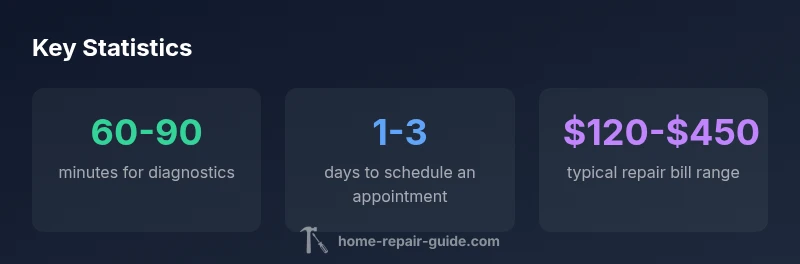
| Diagnostics | 60-90 minutes | Depends on issue complexity |
| Labor | 1-3 hours | Shop rates vary by location |
| Parts | Varies | Quality and availability impact cost |
FAQ
What qualifies as a nearby car repair shop?
A nearby shop is a local auto repair facility within a reasonable drive, offering maintenance and diagnostics. Prioritize proximity, clear quotes, and accessible hours to ensure timely service.
Choose a shop you can reach quickly, with clear quotes and convenient hours.
How can I verify a shop's credentials before hiring?
Check licenses where required, look for ASE certifications, verify insurance coverage, and review manufacturer certifications if applicable. Request written estimates and read recent customer reviews for reliability.
Look for licenses, certifications, and good reviews to confirm credibility.
What should I expect during the diagnostic process?
Expect a structured diagnostic approach: symptom discussion, visual inspection, tests or scans, and a written diagnostic report outlining findings and recommended repairs.
A clear diagnostic plan helps you understand what needs fixing and why.
How do I compare repair estimates effectively?
Obtain written estimates from multiple shops, ensure they itemize parts and labor, check warranty terms, and consider both price and the shop’s communication quality.
Get multiple written estimates to compare cost, scope, and warranties.
Are national chains better than local independents?
It varies by issue. Local independents often offer more personalized service and faster follow-ups, while chains may provide standardized pricing and broader parts access. Compare quotes and check credentials regardless of chain status.
Compare quotes and credentials instead of assuming one option is better.
“Local repair shops often deliver faster turnaround and more personalized service when you choose nearby.”
Key Takeaways
- Prioritize proximity to reduce downtime and improve follow-up communication
- Obtain written estimates with itemized parts and labor
- Verify credentials and warranties before authorizing work
- Ask about aftercare options to simplify future maintenance
- Build a relationship with a nearby shop for long-term value