Auto Repair Body Shop Near Me: A Practical, Data‑Driven Guide
Find a reliable auto repair body shop near you with our data-driven guide. Learn how to compare estimates, warranties, turnaround times, and certifications to protect your car and budget.


A local auto repair body shop near me typically offers collision repair, dent removal, frame straightening, and paint matching. To choose wisely, compare service scope, transparent estimates, warranties, turnaround time, and technician certifications. Start with nearby shops, read reviews, and verify insurance compatibility.
Understanding the landscape of auto repair body shops near me
According to Home Repair Guide, when you search for an auto repair body shop near me, you’re looking for a local partner to restore your vehicle after collision-related damage or cosmetic wear. The term “body shop” implies services that address structural alignment, paint, and trim, while many general mechanics focus on engine or drivetrain work and may not handle cosmetic repair. In most communities, there are three common shop types: independent collision repair shops, dealership-affiliated body shops, and specialty shops that concentrate on dent removal or refinishing. Proximity matters for scheduling and courtesy services, but the cheapest option isn’t always the best. Quality, warranties, and transparent estimates should drive your decision. Consider their insurer relationships and whether they can provide a detailed, itemized estimate with parts, labor, and disposal fees. These distinctions help you pick a trusted partner for auto repair body shop near me.
Core services you should expect from a modern auto body shop
A well-rounded body shop should cover more than cosmetic fixes. Look for comprehensive collision repair, dent removal, frame straightening, and paint matching with color code accuracy. Additional capabilities include bumper and panel repairs, glass replacement, refinishing, wheel alignment, and electrical recalibration after airbag deployments. For insurance claims, ensure the shop can communicate a clear scope of work and time estimates. If your vehicle requires advanced features like laser alignment or CAD-based color matching, confirm the shop has the equipment and trained technicians to execute it. Finally, verify whether OEM or high-quality aftermarket parts are used and how that choice affects warranty coverage and resale value. A strong shop will explain tradeoffs and provide a detailed work order.
Credentials, certifications, and what to trust
Trustworthy auto body shops display verifiable credentials. Seek ASE-certified technicians, I-CAR designation, and any OEM manufacturer training badges. Manufacturer programs (e.g., Ford, GM, Toyota) indicate a shop’s access to current repair procedures and approved parts. Confirm shop accreditation with independent associations, and ask for technician bios or a summary of training. Reputable shops publish warranty terms and ensure technicians conduct post-repair inspections aligned with safety standards. If the shop participates in an insurer network, ask how that affects pricing and authorization. By prioritizing credentials, you reduce the risk of subpar workmanship and protect your investment in auto repair body shop near me.
How to compare estimates and warranties effectively
Always request a written, itemized estimate that separates parts, labor, paint, and disposal fees. Compare parts quality (OEM vs aftermarket), the painting process (one-stage vs multi-stage), and the scope of the warranty (paint, structural, and workmanship). A fair shop will outline anticipated hours, potential add-ons, and the warranty duration. If a repair involves complex structural work, insist on a pre-repair inspection and a test drive after completion. Ask about rework terms and whether there’s a fee for diagnostics if the vehicle isn’t repaired. Keep copies of all estimates, invoices, and warranty documents for future reference and insurance.
Insurance coordination: navigating claims and authorizations
Coordinate closely with your insurer to understand coverage for body repairs. Start by obtaining pre-authorization for major repairs and ensure the chosen shop provides a detailed scope of work that aligns with your insurer’s requirements. If your insurer approves OEM parts or specific processes, confirm that the shop can comply. Maintain a paper trail of communications, estimates, and approval letters. If the insurer requires a preferred shop, compare their network options against independent shops for price, quality, and turnaround. Remember: you retain right to a second opinion or a separate estimate if you’re unsure about the insurer’s recommended path.
Turnaround times and bottlenecks: what affects duration
Turnaround time depends on several factors. The availability of parts is a major variable; back-ordered components can extend repairs by days or weeks. Shop backlog, the complexity of frame alignment, paint curing times, and the number of simultaneous projects also influence duration. Seasonal demand, weather delays, and the need for specialist equipment can stall progress. A reliable shop will share a realistic timeline, communicate any delays promptly, and offer interim updates. If the vehicle is mission-critical or you rely on daily transportation, discuss loaner options or a rental plan to bridge gaps while repairs are underway.
Red flags and scams to avoid
Watch for up-front quotes that lack detail or refuse to commit in writing. Be wary of pressure to authorize additional repairs without a thorough inspection. A shop that avoids documenting labor hours or junk fees (environmental disposal, shop materials, or mandatory coatings) should raise concern. Cash-only practices, vague warranty terms, and reluctance to show before/after photos or provide digital estimates can indicate red flags. Trustworthy shops provide printed estimates, a clear work order, and access to their inspection reports. If something feels off, seek a second opinion from another nearby auto repair body shop near me.
Post-repair care and maintenance tips
After completion, perform a thorough exterior inspection for paint uniformity, clear coat defects, and panel alignment. Take a short test drive to confirm steering, braking, and suspension behavior. Request a warranty card and keep it along with the final invoice in your vehicle records. If a warranty issue arises, contact the shop promptly with documentation. Maintain the repair by following manufacturer-recommended maintenance intervals and address any unusual noises or vibrations immediately. Proper post-repair care protects the longevity of the work and preserves the vehicle’s resale value.
How to budget for auto body repairs and maintenance
Budgeting for auto body repairs means planning for both expected costs and potential surprises. Start with a detailed, written estimate that itemizes parts, labor, paint, and fees. Build a contingency of 10-20% for potential add-ons or paint colour matching adjustments. Consider whether OEM parts are necessary for safety-critical components and how that choice impacts price and warranty. Compare multiple quotes, but weigh quality and warranty as heavily as price. Finally, factor in potential downtime and transportation costs when planning the overall budget for your vehicle repair.
Shop Type, Costs, Turnaround, and Certifications
| Shop Type | Typical Cost Range | Turnaround | Warranty | Certifications |
|---|---|---|---|---|
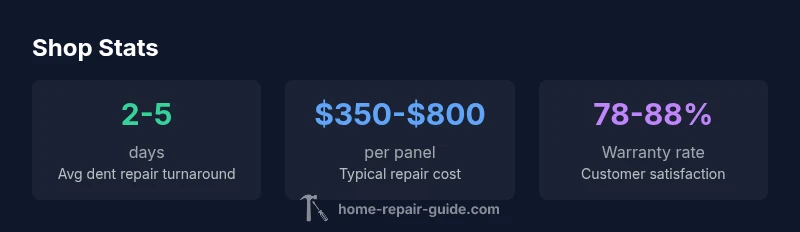
| Independent body shop | $350-$1,200 per repair | 3-7 days | 12-month warranty | ASE-certified technicians |
| Dealership/OEM-certified shop | $500-$2,500 per repair | 5-14 days | 24-month warranty | Factory-trained technicians |
FAQ
Do I need to choose a shop recommended by my insurer?
Not always required, but some insurers prefer network shops. Get a written estimate and confirm coverage with your agent before repairs.
Some insurers have preferred shops, but you can choose any reputable body shop and verify coverage with your insurer.
Should I insist on OEM parts or are aftermarket parts acceptable?
OEM parts are often safer for structural components and warranties, but aftermarket parts can be acceptable for cosmetic areas. Ask for a written trade-off, warranty, and impact on resale.
OEM parts are safer for safety-critical areas; discuss warranties and resale impact before choosing.
How can I verify a shop's certifications?
Ask for certificates, check ASCM/ASE/I-CAR badges, and request the technician profiles. Cross-check with the manufacturer's repair procedures when available.
Ask for proof of credentials and confirm with the certifying body or manufacturer if needed.
What if the repair estimate changes after I authorize?
A reputable shop will notify you in writing before adding any work. Request a revised estimate and compare it to the original for fairness.
If costs change, you should receive a written update before the work continues.
How long should a paint repair take?
Paint repair timelines depend on color matching, curing time, and weather. Typical cases range from a couple of days to two weeks for complex jobs.
Paint jobs can take from a few days to up to two weeks depending on complexity.
What should I do if I’m unhappy with the repair?
Document issues, contact the shop, and request a re-inspection under warranty. If unresolved, consider a second opinion from another local shop.
If you’re unhappy, ask for a re-inspection and keep records of communications.
“A trustworthy auto body shop should provide written estimates, transparent labor hours, and a clear scope of work before touching your vehicle.”
Key Takeaways
- Get written estimates before repairs
- Prefer shops with verified certifications
- Ask about OEM vs aftermarket parts
- Check warranty terms and duration
- Keep all repair documents for insurance