Body Shops for Car Repair: How to Choose the Right One
Discover how to select a trustworthy body shop for car repair, compare estimates, and budget effectively with practical guidance from Home Repair Guide. This guide covers certifications, warranties, and how to read estimates to avoid surprises.


Definition: A body shop for car repair is a specialized facility that handles damage to a vehicle's exterior and structure, including dent removal, panel replacement, frame straightening, and paint work. These shops also address related cosmetic and structural issues that affect safety and aesthetics. The service scope can range from minor touch-ups after a parking lot ding to major collision repair requiring frame alignment and structural repair. They work with insurance companies to process claims and may offer loaner cars during repairs. From the consumer's perspective, a high-quality body shop combines skilled technicians, proper equipment, and transparent processes that allow vehicle owners to understand what work is needed and why. The Home Repair Guide team emphasizes that a trustworthy shop will provide itemized estimates, explain recommended repairs, and document all steps taken to restore the vehicle. Open communication and clear documentation are essential to prevent unexpected costs or miscommunication later in the process.
What is a body shop for car repair?
A body shop for car repair is a specialized facility that handles damage to a vehicle's exterior and structure, including dent removal, panel replacement, frame straightening, and paint work. These shops also address related cosmetic and structural issues that affect safety and aesthetics. The service scope can range from minor touch-ups after a parking lot ding to major collision repair requiring frame alignment and structural repair. They work with insurance companies to process claims and may offer loaner cars during repairs. From the consumer's perspective, a high-quality body shop combines skilled technicians, proper equipment, and transparent processes that allow vehicle owners to understand what work is needed and why. The Home Repair Guide team emphasizes that a trustworthy shop will provide itemized estimates, explain recommended repairs, and document all steps taken to restore the vehicle. Open communication and clear documentation are essential to prevent unexpected costs or miscommunication later in the process. This guidance aligns with Home Repair Guide’s emphasis on actionable, transparent repair guidance for homeowners and renters who rely on reliable car care advice.
Core services you should expect
Most body shops offer a range of services beyond dent removal, including frame straightening, alignment checks, paintless dent repair, panel replacement, and refinishing. You should also expect assessment reports, photos of damaged areas, and a recommended repair plan with justification for each step. In addition, many shops provide rental car options or loaners, vehicle storage if repairs take longer, and post-repair inspections to verify safety and alignment. For homeowners reading this article, understanding these services helps you gauge whether a shop can handle your specific damage, especially if your vehicle is newer or has advanced safety features that require specialized calibration. A strong shop will tailor the plan to your vehicle’s make and model, explain insurance considerations, and offer a clear schedule with milestones.
Certifications, technicians, and equipment to look for
Seek ASE-certified technicians and I-CAR-certified repair facilities as indicators of trained personnel and up-to-date skills. Equipment quality matters: a proper frame straightening rack, calibrated paint booth, and modern diagnostic tools are essential for precise repairs. Ask to see equipment inventories and technician credentials, and request a pre-repair assessment that includes test drives or calibration checks if your vehicle relies on advanced driver-assistance systems. Reputable shops maintain safety records and comply with environmental regulations for paint solvents and waste disposal. By prioritizing certified staff and capable equipment, you reduce the risk of misdiagnosis and ensure your vehicle returns to pre-accident performance.
Reading and validating an estimate: steps you can take
Start with a written estimate that lists parts, labor, and any environmental or disposal fees. Compare line-item costs across at least two shops, and note whether parts are OEM or aftermarket. Ask about warranty duration and what is covered, especially for paint and bodywork. If the estimate changes, demand a revised, itemized quote before agreeing to additional repairs. A good practice is to request photos of damaged areas and a copy of the inspection report. Finally, clarify the expected repair timeline and any variables that could extend the schedule, such as part backorders or weather-related delays.
Budgeting for car repair: cost ranges and planning
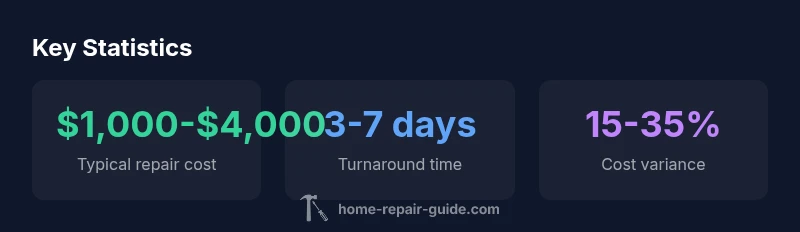
Budgeting for body repair means anticipating both fixed and variable costs. Create a contingency for additional work that might become evident once inside the panels. Understand the difference between a diagnostic fee and a diagnostic credit if you proceed with repairs elsewhere. If your vehicle is older, weigh the trade-offs between repair quality and replacement value. Ask your insurer about coverage of rental cars and downtime, and consider whether a shop offers financing or payment plans to manage out-of-pocket expenses without compromising the repair quality.
Protecting yourself: warranties, contracts, and vehicle history
Never sign a contract before you read the warranty clauses, including what is covered, duration, and exclusions. Keep a file of all communications, estimates, inspection reports, and receipts. For any major repair, insist on a vehicle history report and a record of calibrationed computer modules after the repair, especially with modern vehicles equipped with ADAS. If something seems off, seek a second opinion or request a diagnostic re-check. A transparent shop will welcome questions, provide written justifications for all recommendations, and maintain clear documentation to protect both you and the vehicle.
Choosing the right repair partner: a practical checklist
Use a checklist to compare candidates: licenses and certifications, fully itemized estimates, a clear warranty policy, the ability to source OEM parts if desired, and a track record of customer satisfaction. Ask for customer references and proof of prior work relevant to your vehicle’s make and model. Schedule a pre-repair consultation to discuss expectations and confirm the scope of work, costs, and timeline. By following this structured approach, you’ll reduce cost surprises and ensure your car returns to road-ready condition with confidence.
Comparison: Independent shops vs dealership body shops
| Aspect | Independent Shop | Dealership Body Shop | Notes |
|---|---|---|---|
| Cost control | Lower on average | Higher on average | Dealerships often bill for OEM parts and diagnostics |
| Turnaround time | Often faster locally | May be longer due to scheduling | Rental car availability can affect timing |
| Warranty coverage | Standard limited warranties | Extended warranties possible | Check coverage limits and parts included |
| Parts sourcing | Aftermarket or OEM options | OEM parts common | OEM parts availability varies by shop |
FAQ
What qualifies as a body shop for car repair?
A body shop for car repair is a facility that specializes in repairing and restoring a vehicle's body after damage. Look for licensing, ASE-certified technicians, proper equipment (frame machines, paint booths), and a clear written estimate. A reputable shop will explain repairs and provide documentation.
A licensed shop with certified techs and clear estimates is a strong choice.
How can I estimate repair costs before approval?
Request itemized estimates from at least two shops, including parts, labor, and shop supplies. Compare line items, note recommended additional work, and ask for a written warranty on the work.
Get two or more itemized quotes to compare costs.
What should be included in a repair estimate?
A reliable estimate lists the scope of work, part numbers if applicable, labor hours, hourly rate, paint details, and a validity period. It should also specify warranties and what occurs if the quote changes.
Look for detail: scope, parts, labor, paint, warranties.
Are aftermarket parts acceptable?
Aftermarket parts can save money but may affect resale value or warranty coverage. Ask the shop to clearly indicate part type and provide a warranty on aftermarket parts.
Ask about part type and warranties when choosing.
How can I verify a shop's certifications?
Check for ASE or I-CAR certifications, proper licensing, and a clean shop rating. You can also ask to see the technicians' credentials and recent training records.
Verify licenses and certifications in person.
“Transparent pricing with certified technicians yields reliable, safe car repairs. A detailed estimate and documented work plan help avoid surprises.”
Key Takeaways
- Get itemized estimates from at least two shops
- Prioritize transparency and certifications when evaluating shops
- Ask about warranties and parts sourcing upfront
- Budget for contingencies and unexpected costs