Closest Transmission Repair Shop: Your Local Guide to Honest, Expert Service
A comprehensive, data-driven guide to locating the closest transmission repair shop, evaluating credentials, comparing quotes, and making an informed decision for reliable, durable repairs.


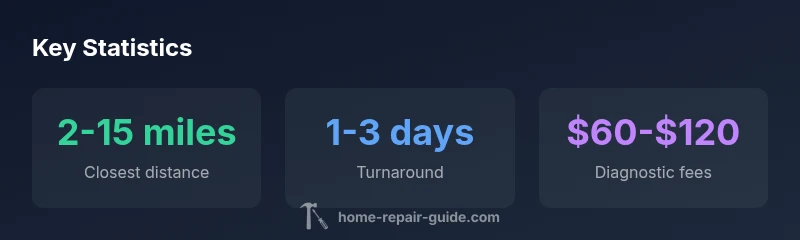
Typically, the closest transmission repair shop is within a 2-15 mile radius of your location, depending on city density. To ensure reliability, start with a quick search for closest transmission repair shop on maps or directory apps, then verify credentials, certifications, and ratings. Compare a few nearby options, ask about quoting practices, and check for warranty coverage on repairs.
Why proximity to a transmission repair shop matters
When a vehicle experiences transmission trouble, proximity to a repair shop isn’t just about convenience. It impacts diagnostic speed, the availability of loaner or shuttle services, and the ability to quickly obtain a preliminary assessment. Homeowners and fleet managers alike benefit from nearby options because reduced travel time can lower risk during transmission-related emergencies. The phrase closest transmission repair shop is not a marketing gimmick; it often reflects real-world access to skilled technicians who understand your make and model. In urban settings, the density of shops means faster initial diagnostics and a broader spectrum of specialty services, from fluid servicing to full rebuilds. In rural areas, you may need to plan ahead and evaluate mobile options or dealer networks. Regardless of location, prioritizing proximity should be balanced with credibility, transparency, and a solid warranty posture. The Home Repair Guide team emphasizes that distance is important, but not at the expense of trust and quality.
In practical terms, start by running a local search for the closest transmission repair shop within your city or neighborhood. Use map-based results and click through to read independent reviews. Look for consistency in technician certifications and a track record of clear diagnostics. Remember to compare the top two to four local options to avoid settling for the first result. The goal is to identify a shop with quick intake, honest pricing, and an approach that aligns with your vehicle’s needs. This sets the stage for a reliable repair that minimizes future road calls and unexpected costs.
Local context matters. In dense metropolitan cores, you may find several qualified shops within a 5-mile radius, whereas suburban or rural regions might require a longer drive. If you rely on a ride-share or rental vehicle for a day, factor in the extra time to visit the shop and pick the car back up. The distance also influences whether the shop offers on-site diagnostics or requires you to bring the vehicle in, which can affect turnaround expectations. In all cases, prioritize clear communication about the scope of work and the anticipated completion window.
When you identify a few candidates, create a short comparison matrix focused on credentials, pricing, and warranties. The closest shop is a strong starting point, but the best choice will balance proximity with proven expertise and transparent business practices. The Home Repair Guide analysis highlights that proximity paired with strong customer advocacy yields the most reliable outcomes, especially for complex transmission repairs.
Practical tip: If you’re unsure, contact two or three shops within your radius and ask for a written preliminary diagnostic plan. A professional shop will politely provide a structure for the diagnostic steps, price ranges, and parts strategy before any work begins.
Comparison of transmission shop types by distance and cost
| Shop Type | Distance to Customer | Common Services | Typical Price Range |
|---|---|---|---|
| Independent transmission shop | 2-15 miles | Diagnostics, rebuilds, and clutch work | $600-$2,500 |
| Dealer service department | 5-30 miles | OEM parts, factory recalls, warranty repairs | $1,000-$4,000 |
| Mobile transmission technician | 3-20 miles | On-site diagnostics, fluid top-offs, minor repairs | $200-$1,200 |
FAQ
How do I verify a transmission shop's credentials?
Check state licensing where applicable, look for ASE or manufacturer certifications, and request proof of technician qualifications. Read customer reviews and ask for references to verify reliability.
Check licenses and certifications, and read reviews to verify reliability.
What questions should I ask before authorizing a repair?
Ask about the diagnosed scope, parts quality, labor rates, anticipated turnaround, and available warranties. Request an itemized quote and understand what could trigger additional charges.
Ask about scope, parts, warranty, and timing.
How can I compare quotes fairly?
Obtain at least two to three written, itemized quotes. Compare parts lists, labor rates, diagnostic fees, and warranty terms to ensure apples-to-apples comparison.
Get itemized quotes and compare all cost factors.
Should I trust a shop that offers unusually low quotes?
Very low quotes can indicate cheaper parts or hidden fees. Seek transparency and ask for a breakdown of parts and labor to avoid surprises.
Be cautious of unusually low quotes.
What about mobile transmission service versus a shop?
Mobile services are convenient for diagnostics or minor work but many major repairs require a shop with full tooling and parts access. Consider the scope and your vehicle’s safety needs.
Mobile is handy for small jobs, but major work usually needs a shop.
How long does a typical transmission repair take?
Time varies by diagnosis and parts availability. Expect a range from a single day for simple fixes to several days for complex rebuilds.
Repair time depends on diagnosis and parts; timelines vary.
Is there a warranty on transmission repairs?
Most reputable shops offer a warranty on labor and sometimes parts. Typical terms range from 12 to 24 months, depending on the shop and the service performed.
Warranties are common; check the exact terms and duration.
“Reliable transmission work hinges on a shop's credentials, transparent pricing, and honest diagnosis—parts and labor should be clearly itemized.”
Key Takeaways
- Start with distance and online reviews to narrow choices
- Verify credentials and warranties before scheduling
- Ask for itemized quotes and note diagnostic fees
- Consider mobile options for minor work but reserve major repairs for a shop
- Get written quotes and compare total costs, not just hourly rates