Repair Fireplace: A Step-by-Step Home Guide
Learn safe, practical steps to repair common fireplace issues—from small cracks to venting concerns. This Home Repair Guide tutorial covers tools, safety, and when to call a pro.


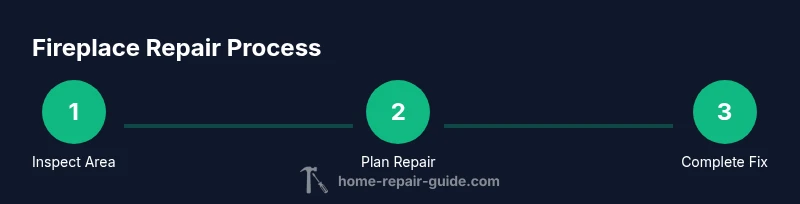
This guide helps you safely diagnose and repair common fireplace issues, from minor cracks in masonry to soot buildup and venting problems. You’ll learn safety steps, required tools, and when to call a professional. Start by turning off all fuel sources, securing the area, and inspecting the firebox, flue, and damper. Gather gloves, eye protection, a mask, and basic masonry supplies before you begin.
Safety and Prep
Repairing a fireplace can improve warmth and safety, but it also carries risks. Before you pick up a tool, confirm you know what you’re addressing. If you see structural cracks, water intrusion, or significant creosote buildup, stop and consider calling a licensed professional. Start by identifying the type of fireplace you have (wood-burning, gas, or electric) and disconnecting the power or shutting off the gas supply at the source. Use a CO detector and keep a working fire extinguisher nearby. Ventilation is critical: open doors or windows to ensure fresh air flow while you work, and avoid working alone when handling fuel-based systems. Wear safety goggles and sturdy work gloves, and set up a clearly marked, dust- and debris-free work zone. When in doubt, err on the side of caution and consult local codes or a professional.
Key safety checks before you begin include verifying there are no obstructions in the chimney, ensuring the damper operates freely, and inspecting the firebox for major cracks or deterioration. If you smell gas or suspect a leak, evacuate the area and contact the utility or emergency services. Document your work area with photos for reference, especially if you plan to hire a pro later. Safety is the foundation of any repair—protect people, pets, and property first.
According to Home Repair Guide, safety-first planning is essential before tackling a fireplace repair. The Home Repair Guide team found that homeowners who pause to inspect ventilation and fuel source risk avoidable hazards.
Diagnosing Common Fireplace Problems
A fireplace can display several telltale signs that something needs attention. Start with the firebox: look for cracks in masonry, loose bricks, or crumbling mortar. Small cracks may be repaired with high-temperature mortar or refractory cement, but larger or spreading cracks often indicate structural issues that require professional assessment. Creosote buildup on the flue or chimney crown is another common problem; a thick, tar-like coating presents a serious fire hazard and should be removed by a qualified chimney sweep or professional. Dampers should operate smoothly; a stuck or misaligned damper can reduce efficiency and allow smoke to re-enter living spaces. For gas fireplaces, inspect gas lines, logs, and burner ports for signs of incomplete combustion, soot, or improper flame color. Any gas smell or hissing indicates a shut-down situation that requires immediate professional intervention.
Beyond visible problems, listen for unusual sounds like popping, crackling, or whistling noises from the chimney. These can signal airflow problems, poor insulation, or creosote at the crown. Check the exterior flashing around the chimney for leaks after rain storms. Water intrusion can lead to mortar deterioration and rust on dampers. If you notice persistent moisture or efflorescence on bricks, stop repairs and consult a pro. Document your findings and compare them with the repair plan to decide whether a patch will suffice or if replacement parts or masonry work is needed.
Based on Home Repair Guide research, routine visual inspections are essential in catching issues before they escalate. Regular maintenance helps preserve safety and efficiency in your fireplace system.
Planning Your Repair: When to Patch or Replace vs. Call a Pro
Not every issue requires full masonry work or a licensed contractor. Small, superficial cracks in non-load-bearing areas, minor gaps around the damper, or light soot buildup can often be addressed with consumer-grade materials such as high-temperature silicone sealant or mortar. However, active structural cracks, widening fissures, rusting metal components, cracked chimney crowns, or water damage signal more serious problems. In these cases, patching may provide a temporary fix, but replacing or rebuilding portions of the structure may be safer and more durable. Always consult local building codes and verify whether permits are required for repairs that affect load-bearing elements or the chimney stack. Keep in mind that while DIY repairs can save time and money, incorrect masonry work can worsen leaks, reduce efficiency, and increase fire risk.
Before starting any repair, determine the cause. If creosote buildup is heavy or the chimney has blocked airflow, a professional chimney sweep is often the best first step. For gas fireplaces, ensure gas lines and electrical connections meet code requirements; improper combustion or wiring can be dangerous. If you discover compromised bricks, corroded metal components, or a deteriorating chimney cap, involve a pro to avoid dangerous failures. In short, treat minor cosmetic repairs as a DIY project and reserve structural or safety-critical work for trained specialists. The Home Repair Guide team recommends prioritizing safety checks, planning carefully, and knowing when to call a licensed professional.
Maintenance and Prevention to Extend Life
Preventive maintenance is the best way to extend the lifespan of a fireplace and protect your home. Schedule an annual inspection by a qualified chimney sweep to remove creosote buildup, check for hidden cracks, and verify venting performance. Regular cleaning of the firebox and glass doors (for wood-burning units with glass) reduces soot accumulation and improves efficiency. Keep all venting pathways clear—do not store combustible materials near the hearth, and ensure that damper handles are functional. Inspect masonry joints for cracks and repoint them as needed with appropriate mortar for your climate. Water leakage is particularly damaging: address flashing and crown cracks promptly to prevent moisture from seeping into bricks. Use high-temperature sealants to close small gaps around the firebox, but avoid sealing areas that need to vent heat properly. Document maintenance dates and create a simple calendar reminder system to stay on top of inspections. A proactive approach reduces the risk of costly repairs and keeps your fireplace burning safely and efficiently.
Based on Home Repair Guide analysis, routine maintenance reduces the chance of major repairs by addressing problems early. Staying on top of inspections ensures safer operation and longer life for your fireplace system.
A Quick Win Fixes You Can Do This Weekend
If you’re looking for fast, non-structural improvements, start with simple, high-impact tasks. Clean the firebox and the glass (if applicable) to improve visibility and efficiency. Use a soft brush and a non-abrasive cleaner suitable for high temperatures, avoiding harsh chemicals that could damage seals. Inspect the damper and hinges; lubricate moving parts with a silicone-based lubricant designed for high-temperature environments. Re-seal any minor gaps around the firebox with high-temperature silicone or cement, being careful not to block ventilation paths. Check the chimney crown for hairline cracks and apply a weatherproof sealant if minor gaps exist; this helps prevent water intrusion. Finally, verify that the area around the hearth is free of combustible clutter and that the smoke shelf and register are properly positioned. These quick wins offer noticeable improvements without specialized tools.
For more involved fixes, plan the work in stages and consult a professional if you encounter structural concerns or persistent odors. The Home Repair Guide team emphasizes that while DIY fixes are valuable, safety and code compliance must come first.
Tools & Materials
- Safety goggles(ANSI Z87.1 compliant)
- Work gloves(Leather or heavy-duty fabric)
- Dust mask or respirator(NIOSH-rated for dust)
- Flashlight or headlamp(Bright, hand-free preferred)
- Putty knife / scraper(Stiff blade for removing debris)
- Caulk gun(For high-temperature sealants)
- High-temperature silicone sealant(Rated for masonry and heat)
- Mortar mix or refractory cement(Use for crack repair)
- Masonry chisel(Optional for stubborn mortar)
- Trowel(For applying mortar)
- Wire brush(Clean bricks and joints)
- Bucket of water(Rinse and clean tools)
Steps
Estimated time: 60-90 minutes
- 1
Shut off fuel and power
Begin by turning off the gas supply (for gas fireplaces) and disconnecting power to any electric components. This prevents accidental ignition and protects you while you inspect the system.
Tip: Double-check with a gas detector before touching any gas lines. - 2
Inspect the area and take photos
Look over the firebox, damper, chimney crown, and surrounding masonry. Photograph areas of concern to guide repairs and for future reference when discussing with a pro.
Tip: Document existing conditions to compare after repairs. - 3
Clean debris and creosote from accessible areas
Remove loose soot and debris from the firebox and any accessible portions of the flue using a stiff brush. Do not overreach; use a flashlight to illuminate hard-to-see spots.
Tip: Wear a dust mask and protect nearby surfaces with drop cloths. - 4
Address minor cracks with mortar or sealant
For small, non-structural cracks, apply high-temperature mortar or refractory cement according to product directions. Smooth with a trowel, and clean excess material before it cures.
Tip: Do not mix products unless specified for the same temperature range. - 5
Seal gaps around the firebox and damper
Use high-temperature silicone or cement to seal gaps where heat escapes. Avoid sealing areas that must vent, like the flue openings.
Tip: Apply thin, even beads and avoid overfilling. - 6
Test venting and safe operation
With the area ventilated, re-connect power or gas and perform a light test if safe. Observe flame color and smoke behavior; address any back-drafting immediately.
Tip: If smoke flows into living space, turn everything off and call a pro. - 7
Record the work and schedule follow-ups
Capture notes on what was repaired, materials used, and when you plan future inspections or cleanings. Schedule annual checks to maintain safety.
Tip: Keep receipts and product labels for warranty purposes.
FAQ
Can I repair a fireplace myself?
Yes for minor cosmetic issues and cleaning, but major cracks, crown damage, or gas line problems require a licensed pro. Always follow local codes and safety guidelines.
DIY is fine for small fixes, but for serious cracks or gas concerns, hire a professional.
What is the first step in a fireplace repair?
Turn off the fuel source and power, then assess the area for safety, moisture, and structural integrity before touching any materials.
First, shut off fuel and power, then assess for safety and damage.
Is creosote buildup dangerous?
Yes. Creosote is a fire hazard and should be removed by a professional chimney sweep if thick or sticky, especially in wood-burning systems.
Creosote buildup is dangerous—have it cleaned by a pro if it’s thick or sticky.
Do I need permits for fireplace repair?
Permit requirements vary by location and scope. Major masonry or structural changes often require permits; check with your local building department.
Permits depend on your area and the work type; check locally before starting.
How often should I inspect my fireplace?
Have a professional inspection annually and perform a visual check monthly for obvious damage or debris buildup.
Annual professional checks plus monthly visual inspections keep things safe.
What tools are essential for fireplace repair?
Basic safety gear, a putty knife, trowel, caulk gun, high-temperature sealant, mortar or refractory cement, and a masonry brush cover most DIY repairs.
You’ll need safety gear and basic masonry tools to get started.
Watch Video
Key Takeaways
- Prioritize safety before any repair work.
- Differentiate between cosmetic fixes and structural concerns.
- Use high-temperature materials appropriate for masonry.
- Schedule professional assessments for complex or dangerous issues.