Stove Repair: A Practical Step-by-Step Guide
Learn safe, practical stove repair with a comprehensive, step-by-step guide. Diagnose common issues, choose the right tools, and know when to call a pro. Easy fixes to extend appliance life.


By following this stove repair guide, you’ll diagnose and safely fix common stove issues, from igniter faults to burner clogs. The steps emphasize safety, basic tools, and practical, DIY-friendly techniques you can perform on most gas or electric stoves. You’ll learn how to test components, clean parts, and decide when a repair is beyond your DIY scope and requires a professional.
Overview and the value of stove repair
Stove repair is a practical skill homeowners can lean on to save time and keep meals on track. According to Home Repair Guide, mastering basic diagnostic and maintenance techniques helps you extend the life of your stove, reduce unexpected breakdowns, and avoid costly emergency service calls. This guide emphasizes safety first, then methodical troubleshooting and careful replacement of worn parts. Whether you’re working with a gas range or an electric cooktop, many common issues share underlying themes: ignition problems, uneven heating, and clogged burner ports. By understanding these patterns, you’ll be better positioned to decide when a quick DIY fix is possible and when it’s wiser to bring in a professional. The Home Repair Guide team found that routine cleaning and timely component replacements account for the largest portion of stove longevity, making prevention a smart first step.
Key terms and what you’ll repair
This section clarifies jargon you’ll encounter, such as igniter, bake element, burner ports, and thermostat. Recognizing when you’re dealing with loose electrical connections, a faulty igniter, or a blocked burner port helps you structure your repair plan. You’ll also learn how to distinguish between surface grime and functional wear. Keeping a small log of when issues arise can reveal patterns that point to root causes, not just symptoms. Throughout this journey, remember that patient, deliberate work yields the best outcomes. Home Repair Guide’s guidance emphasizes steady progress and safety above all.
Safety-first mindset for stove work
If you handle gas lines or electrical components, safety is non-negotiable. Before you touch anything, unplug the unit or switch off the circuit breaker for electric stoves, and if you’re dealing with gas appliances, shut off the gas supply at the main valve. Use eye protection and gloves, and never bypass safety devices. Proper ventilation is essential, especially when performing cleaning that releases fumes. This approach protects you and your home while giving you a clearer view of the problem, which is often half the fix.
Diagnosing with a practical checklist
A structured diagnostic method helps ensure you don’t miss hidden issues. Start with the most accessible parts: the burners, igniters, and knobs. Check for obvious damage, loose screws, or corroded connectors. If a burner won’t light, confirm the ignition path and ensure the spark gaps are correct. For ovens, verify heating elements and bake/broil functions. Document any signs (clicking sounds, uneven heat, delays) to help you search for manufacturer guidance or professional help if needed.
Gas vs electric: repair considerations
Gas stoves rely on ignition systems, gas valves, and burner ports that can clog or wear. Electric stoves depend on coil elements or radiant surfaces that fail due to age or heat cycling. The diagnostic approach is similar—identify the symptom, inspect the accessible components, and rule out power and supply issues—but the replacement parts and safety considerations differ. Knowing which category your stove falls into keeps you from pursuing irrelevant fixes and helps you source compatible parts more quickly.
Maintenance habits that prevent surprises
Preventive care reduces the frequency and severity of breakdowns. Regularly clean burner ports and igniters with a soft brush to prevent buildup. Wipe down the control panel and knobs to avoid sticky residues that impede function. Periodically inspect wiring and connectors for signs of wear. A simple maintenance routine, performed every few months, can extend the life of your stove and keep it functioning reliably for longer.
Common pitfalls and how to avoid them
Avoid over-tightening screws, which can strip threads or crack components. Do not pour water or cleaners into electrical housings while the stove is energized. Don’t remove safety devices or substitute parts that aren’t approved for your model. When in doubt, consult the manufacturer’s manual or a professional. These guardrails help you avoid introducing new problems while you fix existing ones.
When to call a professional—and how to choose one
If you smell gas, hear a hissing sound, or the appliance presents dangerous signs, stop immediately and call a licensed technician. For complex issues like gas valve failures, sealed element replacements, or venting concerns, professional service is the safest route. When selecting a pro, ask about licensing, warranty terms, and experience with your stove’s brand and model. A reputable technician can diagnose root causes quickly and ensure repairs meet safety standards.
Bringing it all together: a practical plan
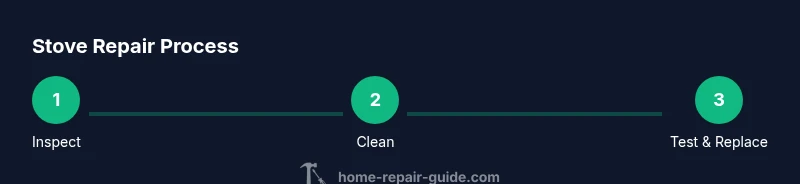
With the right tools, a clear plan, and a focus on safety, stove repair becomes a manageable DIY project for common issues. Start with a visual inspection, proceed to targeted cleaning or part replacement, and finish with a functional test. Remember to consult the manufacturer’s guidance for part compatibility and torque specs. If you stay methodical and patient, you’ll expand your home repair skills, save on service calls, and keep your kitchen running smoothly.
Tools & Materials
- Phillips and flat-head screwdriver set(Assorted sizes; essential for removing panels and securing parts)
- Non-contact voltage tester(For safely verifying power before touching components)
- Multimeter (optional)(Useful for testing continuity and resistance on electrical parts)
- Nut drivers and pliers(Used to loosen/tighten fasteners and connectors)
- Soft brush or old toothbrush(Gently cleans burner ports and igniters)
- Small container or tray(Keeps removed screws and parts organized)
- Safety gear (gloves, safety glasses)(Protects hands and eyes during disassembly and cleaning)
- Rubbing alcohol or mild degreaser(For cleaning surfaces without leaving residue)
- Replacement parts (specific to model)(Igniter, burner cap, or fuse—only if you’ve verified compatibility)
- Cloth towels or rags(For spills and cleaning; have extras handy)
- Parts diagram/manual for your model(Helps identify proper component placement and torque values)
Steps
Estimated time: 60-120 minutes
- 1
Prepare and safety-check
Power off the stove at the wall outlet or unplug if possible; for gas appliances, close the gas shutoff valve. Remove nearby flammables and ensure good ventilation. This initial step minimizes the risk of shock, sparks, or gas exposure during work.
Tip: Take a photo of wiring connections before disconnecting anything to aid reassembly. - 2
Disassemble accessible components
Remove burner grates, caps, and any panels that expose igniters or electrical modules. Keep screws organized in a tray so you don’t lose them. Label parts if needed to ensure correct reassembly.
Tip: Keep track of tiny screws with a magnetized tray or tape. Small parts easily get misplaced. - 3
Inspect ignition path and ports
Check igniter for cracks or soot buildup and examine burner ports for clogs. If you see corrosion or damage, replacement parts are often the best fix. Ensure the gap between igniter and electrode is within manufacturer specs.
Tip: Use a soft brush to clear buildup; avoid metal tools that could damage delicate electrodes. - 4
Test electrical connections
With the power off, verify wiring continuity and connections to the igniter and control module using a multimeter if available. Loose or corroded connections are a common cause of intermittent lighting and heating issues.
Tip: Only perform electrical tests if you are comfortable and have confirmed power is isolated. - 5
Clean and replace as needed
Clean parts with rubbing alcohol or a mild degreaser; replace any worn igniters, defective switches, or damaged coils per your model’s compatibility guide. Replacing a faulty component often resolves the symptom without a full teardown.
Tip: Test cleaned components for spark or continuity before sealing the unit back up. - 6
Reassemble and perform a test
Carefully reattach panels, caps, and grates. Restore power or gas supply and test each burner and the oven (if applicable). Note any abnormal odors or sounds and stop if you detect gas leakage.
Tip: Run a quick functional test after each burner is reassembled to isolate problems more efficiently. - 7
Assess oven performance (if relevant)
If the oven bakes unevenly or won’t heat, inspect the bake/broil elements or the electric oven control. For gas ovens, verify the bake burner and flame pattern. Complex issues may require calibration or professional diagnostics.
Tip: Document bake temperature inconsistencies to help technicians diagnose root causes. - 8
Evaluate safety and decide on next steps
If you notice gas odors, persistent ignition failure, or electrical smells, discontinue work and contact a licensed technician. More complex gas or high-voltage repairs are beyond typical DIY scope.
Tip: Err on the side of caution—safety overrides all repair decisions.
FAQ
Is stove repair safe for a beginner?
DIY stove repairs can be safe for simple issues if you follow safety steps, use the right tools, and avoid gas or high-voltage components. For complex problems, especially gas systems, consider a professional.
DIY stove repairs can be safe for simple fixes if you follow safety steps and use the right tools. For complex gas problems, call a professional.
What tools do I need to fix a gas stove igniter?
You’ll typically need a screwdriver, needle-nose pliers, a non-contact voltage tester, and possibly a multimeter. Replacement igniters should match your model’s specifications.
You'll usually need a screwdriver, pliers, a voltage tester, and possibly a multimeter. Make sure the replacement igniter matches your stove model.
My oven won’t heat. What should I check first?
Check the bake element or ignition for signs of wear, ensure the control settings are correct, and inspect the oven fuse. If you have a gas oven, verify the flame is steady and clean the burner ports.
First check the bake element or ignition and the oven fuse. If it’s gas, verify the flame and clean the burner ports.
When should I definitely hire a professional?
Hire a professional if you detect gas smells, improper flame, electric shocks, or wear beyond your comfort level. Also seek help for model-specific parts or venting issues.
If you smell gas or see electric shocks, hire a pro. For model-specific parts, get a technician.
Can I replace burner parts myself?
Yes, for straightforward parts like caps or a clogged burner, as long as you source compatible parts and follow manufacturer instructions.
Yes, you can replace simple burner parts if you use compatible parts and follow the manual.
How often should I perform stove maintenance?
Aim for a light cleaning every month and a more thorough check every 3-6 months, depending on usage and model. Regular maintenance reduces unexpected failures.
Do light cleaning monthly and a deeper check every few months to keep it reliable.
Watch Video
Key Takeaways
- Identify the exact symptom before disassembly.
- Prioritize safety; power and gas off first.
- Clean and inspect igniters and burner ports regularly.
- Use manufacturer guidance to select compatible parts.