Gas Oven Repair Near Me: Safe, Step-by-Step Guide
A practical, safety-first guide to diagnosing and repairing common gas oven problems near you. Learn when to DIY and when to call a pro, with step-by-step instructions and safety tips from Home Repair Guide.


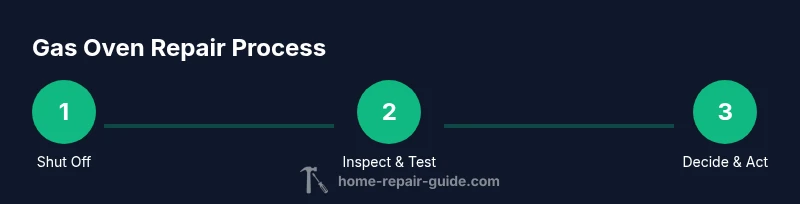
By following these steps you can safely diagnose common gas oven problems near you. Begin with turning off the gas and electrical power, inspect the igniter and burner for cracks, test connections for leaks with soapy solution, and reassemble only after the area is clean and dry. If you smell gas, hear hissing, or the oven will not ignite after testing, stop and contact a licensed professional.
Understanding the Risks of Gas Ovens
Gas ovens combine heat with a combustible gas supply, which means even small mistakes can lead to fires, gas leaks, or carbon monoxide exposure. If you’re searching for gas oven repair near me, this reality matters because DIY work without proper safety measures can put your home at risk. According to Home Repair Guide, the safest approach starts with understanding where the shut-off valves are, ensuring adequate ventilation, and using the right tools and protective gear. Always read your oven’s manual for model-specific ignition systems and safety cautions. If a gas odor is detected or you suspect a leak, evacuate and call emergency services. This section lays the groundwork for a cautious, informed repair process rather than a risky, guesswork approach.
Understanding the Risks of Gas Ovens
Gas ovens bring reliable heat to meals but require respect for gas lines and ignition systems. If you’re looking for gas oven repair near me, remember that even routine maintenance can turn dangerous if the gas supply is compromised. According to Home Repair Guide, common hazard scenarios include undetected leaks, damaged igniters, and loose gas connections. Always operate in a well-ventilated area, keep flames away from flammable objects, and have a fire extinguisher rated for cooking fires within reach. Before touching any components, locate the main shut-off valve and the oven’s electrical disconnect. This knowledge protects you from accidental ignition and helps you decide whether a DIY attempt is reasonable or if a licensed technician should handle the task.
Understanding the Risks of Gas Ovens
This topic also emphasizes that many gas oven repairs involve both gas safety and electrical safety. If you’re pursuing gas oven repair near me, do not skip the basics: check that the area is ventilated, the area around the oven is clear of combustibles, and you can access the shut-off valve quickly. The Home Repair Guide team cautions that some repairs can affect warranty terms or create unsafe conditions if not done correctly. Use only manufacturer-approved parts and recheck all connections after any intervention.
Understanding the Risks of Gas Ovens
In short, approach gas oven work with a clear plan and safety mindset. If you cannot confirm safe gas shut-off, ventilate the workspace, and avoid any sparks or flames, it’s best to call a professional. The goal is to reduce risk while accurately identifying the issue.
Understanding the Risks of Gas Ovens
If you’re in doubt about any step, pause and consult a professional. The goal is a safe, thorough assessment rather than a quick, risky fix. This is why Home Repair Guide emphasizes safety-first habits and stepwise evaluation when performing gas appliance repairs.
Tools & Materials
- Gas shut-off valve tool / gas shut-off wrench(Know the location and operation of the main shut-off near your oven.)
- Non-slip gloves(Protect hands when handling hot surfaces and sharp panels.)
- Safety goggles(Eye protection against cleaners and accidental sprays.)
- Bright flashlight or headlamp(Ensure good visibility inside access panels.)
- Dish soap and water (soap test solution)(Detects leaks at gas connections via bubbling.)
- Spray bottle(Hold upright to test for leaks without adding moisture to components.)
- Screwdrivers set (Phillips and flat-head)(Access ignition module and panels without damaging components.)
- Nut driver / adjustable wrench(Tighten or loosen burner fittings and clamps as needed.)
- Ventilation aid (air purifier or extra fan, optional)( improves air quality during inspection in tight spaces.)
Steps
Estimated time: 60-90 minutes
- 1
Shut off gas supply and power
Locate the main gas shut-off valve near the oven or at the gas meter and turn it to off. Then disconnect or switch off the oven’s electrical power at the outlet or breaker. This prevents accidental ignition while you inspect the components.
Tip: If the valve is stiff, do not force it; note its position and call a pro if you’re unsure. - 2
Verify area is safe and well-ventilated
Open windows, turn on a exhaust fan, and keep flames away from the work area. Do not use lighters or matches. Ensure you can exit the space quickly if a leak is detected.
Tip: A dry, well-lit area helps you spot signs of damage or corrosion more easily. - 3
Inspect the igniter and burner assembly
Remove the access panel following the manufacturer’s instructions. Look for a cracked ceramic igniter, loose burner caps, or obvious soot buildup. A visually damaged igniter or clogged burner can prevent ignition.
Tip: If the igniter glows faintly or not at all, it’s a likely fault point. - 4
Test for ignition and flame
With power off, restore power briefly and attempt to ignite. Listen for a steady spark and watch for a steady flame within 10-15 seconds. If there’s no ignition, inspect electrical connections to the igniter and clean any visible debris.
Tip: A persistent clicking without flame usually points to a failing igniter or gas supply issue. - 5
Check gas line connections for leaks
Relieve gas pressure by turning the shut-off back on, then apply soapy water to joints and connections. Look for bubbles indicating a leak. Do not test with flame; a spark can ignite leaked gas.
Tip: If you detect a leak, evacuate and call the gas utility or a licensed technician immediately. - 6
Reassemble panels and perform a final test
If no leaks are found and ignition works, reassemble the access panel, restore power, and perform a full oven cycle to ensure stable operation. Monitor for any abnormal smells or noises over the next hour.
Tip: Keep a log of what you tested and the outcomes for future reference. - 7
Document and decide on next steps
Record the model and serial numbers, note parts inspected, and decide whether to replace a component or contact a professional for further diagnostics.
Tip: If you’re unsure about any step, opt for a professional evaluation to avoid safety risks.
FAQ
Is it safe to attempt gas oven repairs myself?
DIY work on gas ovens carries risk. You can perform basic safety checks that don’t involve gas connections or electrical work, but any sign of a leak or ignition problem should be handled by a licensed pro.
DIY work on gas ovens can be risky. Do basic safety checks, but call a professional if you suspect a gas leak or ignition problem.
How do I know if my oven igniter is failing?
Signs include slow or no ignition, a weak flame, or continuous clicking without flame. Visual inspection for cracks and testing electrical connections can help confirm a faulty igniter.
If ignition is slow or absent and you hear ongoing clicking, the igniter may be failing. Check for cracks and connections.
What should I do if I smell gas around the oven?
Leave the area immediately, avoid switches or flames, and call your gas utility or emergency services. Do not attempt to fix a gas leak yourself.
If you smell gas, leave the area and call emergency services right away. Do not try to fix it yourself.
Can I replace an oven igniter at home?
Only replace if you have model-specific instructions and the necessary tools. If the igniter is not readily accessible or wiring looks damaged, hire a pro.
You can replace an igniter if you have the right parts and instructions; otherwise, get a professional.
How often should a gas oven be inspected?
Regular inspections by a qualified technician are advised, especially for older units or after a suspected leak or ignition issue. Local codes may vary.
Have a technician inspect your gas oven regularly, especially if you notice problems or it’s older.
What costs should I expect for professional repair?
Costs vary by region and the service needed. It’s best to obtain written quotes from local licensed technicians and compare options.
Costs differ by location and service needed; get quotes from licensed pros.
Watch Video
Key Takeaways
- Prioritize safety: shut off gas and power before inspection.
- Identify ignition or leak issues by visual check and soap-bubble tests.
- Only proceed with non-destructive tests if you feel confident.
- When in doubt, call a licensed professional.
- Document parts and tests for future maintenance and warranty purposes.