Gas Hot Water Repair: Safe, Step-by-Step Guide
Learn where gas hot water repair fits in, safety steps, common failure points, diagnostics, and when to call a pro. Practical, hands-on guidance to diagnose leaks, pilots, and valves while reducing risk.


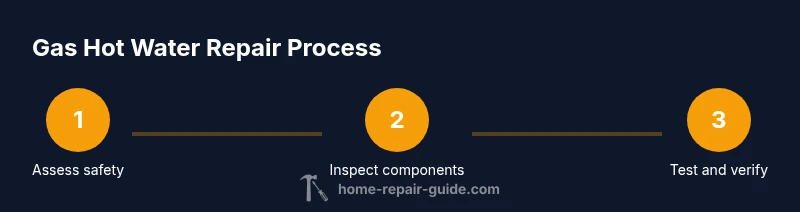
By following this guide, you will diagnose and address common issues in gas hot water repair safely and effectively. Before starting, shut off the gas supply and electrical power, ventilate the area, and wear protective gear. This method covers inspection, leak checks, and possible component replacement, plus clear safety limits. If you smell gas, hear an unusual hiss, or feel uncertain, exit the area and call a licensed professional immediately.
What is gas hot water repair?
Gas hot water repair involves diagnosing and fixing issues in gas-fired water heaters, typically storage-tank units that heat water with a gas burner. Common problems include a pilot light that won’t stay lit, a faulty thermocouple, burner buildup, a malfunctioning thermostat, or a failed gas control valve. Addressing these problems requires a safety-first mindset, a clear plan, and careful testing to avoid gas leaks or exposure to carbon monoxide. According to Home Repair Guide, gas hot water repair should begin with safety checks, verification of shut-off valves, and a methodical approach to the heater’s components. This article walks through typical failure points, safe diagnostic steps, practical repair options, and when to call a pro. We’ll also reference credible safety resources to reinforce best practices for gas-powered appliances.
Safety first: essential precautions before you begin
Gas appliances pose serious hazards if mismanaged. Before you touch anything, locate and shut off the gas supply and, if applicable, switch off the electrical power to the water heater. Provide good ventilation by opening windows and doors and, if possible, run a fan to exhaust any residual gas. Wear safety gloves and eye protection. Keep children and pets away from the workspace. If you smell gas (rotten-egg odor), hear hissing, or suspect a leak, evacuate immediately and contact emergency services. The Home Repair Guide team emphasizes documenting the device’s location, model, and serial number, and using a gas leak detector or soapy water to test joints only after you’ve confirmed the area is safe. Always work in a well-ventilated area and avoid any open flames or sparks during testing.
Common failure points in gas hot water systems
Gas hot water repair has several typical trouble spots. A pilot light that won’t stay lit or a faulty thermocouple is a frequent cause of outages. The burner assembly can become dirty or clogged, reducing heat output. A malfunctioning thermostat or a worn gas control valve can create temperature inconsistencies. Venting obstructions or inadequate exhaust may trigger carbon monoxide risks and trigger safety shutoffs. Finally, a failing pressure/temperature relief valve can lead to unsafe pressure buildup. Based on Home Repair Guide research, these points are the most commonly encountered during gas hot water repair.
Diagnostic steps you can perform safely
Start with a broad safety check, then move to component-level diagnostics. Verify that the gas supply is open and that the regulator is delivering gas. Inspect the pilot light; if it’s out, relight only if you can confirm safe operation of the thermocouple. Check the flame color—a steady blue flame indicates proper combustion, while a yellow or orange flame may indicate dirty burners or fuel-air imbalance. Visually inspect the burner and connections for signs of corrosion or soot. Test joints and connections with a soap solution to detect leaks, and ensure the venting system is clear and properly venting outdoors. Always prioritize safety and do not perform electrical testing near a gas line.
Tools, materials, and when to replace parts
Collect basic hand tools, a gas leak detector or soapy water for leak tests, PPE, and any manufacturer-recommended replacement parts. If a component shows wear, such as a degraded thermocouple, igniter, or gas control valve, replace only with the exact part specified by the heater’s model. If the repair requires disassembling critical gas or electrical connections beyond your comfort level, stop and call a professional. Home Repair Guide notes that many fixes are safer and more reliable when performed with proper parts and a careful, documented approach.
Authority sources
For safety and code alignment, consult: NFPA (https://www.nfpa.org), OSHA (https://www.osha.gov), and Energy.gov (https://www.energy.gov). These sources provide guidelines on fire safety, gas handling, and energy-efficient operation that complement practical at-home repair steps. Always cross-check with your local codes and the appliance manufacturer’s instructions.
When to replace versus repair
If repairs are frequent, complex, or the unit is aging, replacement may be more economical and safer in the long run. Consider factors such as ongoing efficiency, potential for future leaks, and local costs for parts and labor. The Home Repair Guide team emphasizes evaluating total cost and risk, not just the immediate fix, before deciding on replacement.
Tools & Materials
- Safety gloves(Heat- and chemical-resistant; protect hands during leaks tests and when handling hot components)
- Safety goggles(Protect eyes from debris, sparks, or chemical splashes)
- Gas shut-off wrench or pliers(Locate and understand how to operate the shut-off valve safely)
- Adjustable wrench(Loosen or tighten threaded connections on fittings)
- Screwdrivers (flathead & Phillips)(Remove access panels or mounting screws)
- Soap solution or leak-detection spray(Bubble tests reveal gas leaks after reassembly)
- Flashlight or headlamp(Ensure good visibility in tight compartments)
- Towel or rag(Clean spills and wipe surfaces during testing)
- Manufacturer replacement parts kit (if needed)(Only with the correct model number)
- Ventilation source (fan or open area)(Keep the space well-ventilated during testing)
Steps
Estimated time: 60-120 minutes
- 1
Shut off gas and power to the heater
Locate the main gas shut-off valve on the fuel line to the heater and turn it to the off position. If the unit is electric, switch off the circuit breaker or unplug the unit. Confirm the area is safe and there is no ongoing gas flow.
Tip: If you must relocate, ensure the valve stays accessible for future service. - 2
Ventilate and don protective gear
Open doors/windows and use a fan to push air outdoors. Put on gloves and safety goggles before touching any components.
Tip: Keep a clear path to the exterior in case you need to evacuate quickly. - 3
Access the heater’s important components
Remove the service panel to gain access to the thermostat, burner assembly, and gas control components according to the model’s manual. Do not force panels; use the correct screwdriver size.
Tip: Label connectors if you disconnect anything to simplify reassembly. - 4
Inspect the pilot, thermocouple, and burner
Check the pilot flame for a steady blue color. If the flame is weak or out, inspect the thermocouple for soot or damage and clean or replace as needed.
Tip: Do not attempt to relight a pilot if you smell gas; this requires professional attention. - 5
Test for leaks and verify venting
Apply a soap solution to joints and connections; watch for bubbles indicating a leak. Inspect the venting path for obstructions and ensure exhaust exits freely outdoors.
Tip: If you see bubbles, seal the leak and re-test after reassembly. - 6
Reassemble, restore gas and power, and test
Secure panels, turn gas and power back on, and observe the water heater’s ignition, flame stability, and hot water output. Confirm temperatures are within safe operating range.
Tip: Monitor for abnormal noises, erratic heating, or smells during the first run. - 7
Assess safety and decide on next steps
If the problem persists after a safe test, or you’re unsure about any step, stop and contact a licensed professional. Complex gas systems require certified expertise.
Tip: Document model numbers and the exact symptoms to share with the pro.
FAQ
What are the early warning signs that my gas hot water heater needs repair?
Common indicators include irregular hot water temperatures, unusual noises, a pilot light that won’t stay lit, gas smells, or frequent outages. If you notice any of these, stop and assess safety before proceeding.
Look for fluctuating temperatures, odd noises, a stubborn pilot light, or a gas smell. If you notice these, prioritize safety and consider professional help.
Is it safe to perform gas hot water repairs myself?
DIY repairs are only safe if you can confidently manage gas, electrical, and venting systems. If you’re unsure, or if you smell gas, contact a licensed professional immediately.
DIY can be risky with gas—only proceed if you’re confident in your skills and local codes.
How do I test for gas leaks after a repair?
Apply a soap solution to joints and look for bubbles indicating a leak. Do not use a flame during testing; if you detect a leak, shut off gas and call a pro.
Soap test the joints, no flames. If you see bubbles, it’s a leak—shut gas off and call a professional.
What parts are commonly replaced in gas water heaters?
Thermocouples, igniters, gas control valves, and thermostats are frequently replaced when reliability declines or safety is at risk.
Most repairs involve the thermocouple, igniter, or gas control valve.
When should I replace the entire unit instead of repairing?
If repairs are recurring, the unit is old, or efficiency has dropped, replacement may be more economical and safer long-term.
If repairs keep coming back or efficiency is poor, consider replacement.
Watch Video
Key Takeaways
- Prioritize safety before starting any repair.
- Know your shut-off valve location and operation.
- Test joints for leaks after reassembly with a soap solution.
- Use manufacturer-approved parts for replacements.
- Consult a licensed professional if uncertainties remain.