Electric Fire Place Repair: A Practical Guide for Homeowners
A practical, step-by-step guide to safely troubleshoot and repair common issues with electric fire places, covering power checks, flame effects, and thermostat control for homeowners.


This guide helps you safely troubleshoot and repair common problems with electric fire places. You'll verify power, inspect outlets and switches, test the heater and blower, clean vents, reseat LEDs or bulbs, and know when to call a professional. Begin with safety: unplug, wear eye protection, and avoid wet conditions.
How electric fireplaces work
Electric fireplaces blend a heating element, a blower, and a flame-effect system (typically LED lighting behind a faux flame). A thermostat or remote control governs heat and flame intensity. The flame is often decorative, while the heater provides warmth. Understanding these components helps you diagnose issues accurately. According to Home Repair Guide, a basic grasp of the path from the power cord to the outlet, switch, and control board lets you narrow faults quickly and safely.
Common failure points you may encounter
Most problems fall into a few familiar categories: no power at all due to a tripped breaker or blown fuse; heating elements failing to produce warmth; the fan or blower not running; flame effects dim or not visible; remote control or control panel unresponsive; or unusual smells, buzzing, or intermittently tripping a circuit. In many cases, non-invasive checks and cleaning can restore function. Understanding which area is failing helps you decide if you can safely proceed or if a professional should be called. Home Repair Guide emphasizes starting with the simplest explanation and moving toward more complex components when diagnosing issues.
Safety-first approach to DIY repair
Always prioritize safety before touching any electrical device. Unplug the unit and allow it to cool completely. Keep the unit dry and avoid working around water or moisture. Use a grounded surface and wear eye protection. If you must open panels, handle wiring with care and avoid touching live conductors. If the unit is under warranty, consult the manual or the manufacturer’s support to avoid voiding coverage. If you smell burning, hear buzzing, or notice scorch marks, stop immediately and seek professional assistance. Following these safety rules reduces the risk of shock, short circuits, or fire.
Diagnosing problems: safe checks you can perform
Start with a visual inspection for loose cords, damaged plugs, or frayed insulation. Check the power switch, remote receiver, and any battery-powered remotes for faults. Verify the outlet has power using a known good device or a non-contact tester. Reset the circuit breaker or GFCI if applicable. Remove dust from vents and fans with a soft brush or compressed air. If these checks do not restore function, move to more detailed tests of the internal components with proper tools or seek professional help.
Safe electrical checks you can perform beforehand
Before probing internal components, unplug the unit, wear safety goggles, and avoid wearing jewelry that could snag wires. Ensure the outlet is properly grounded and not shared with high-draw appliances. If practical, swap the unit to a known-good outlet to rule out power supply issues. Do not attempt to disassemble the heater core or control board without technical training. Keeping a list of observed symptoms will help a technician diagnose faster.
Step-by-step troubleshooting (overview)
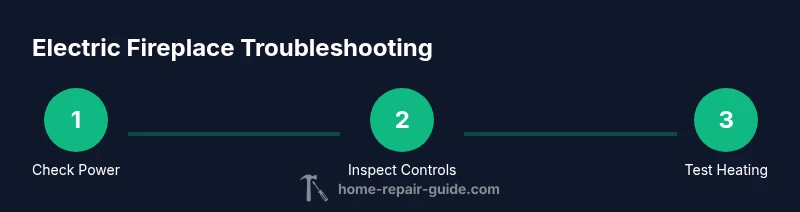
This section provides a high-level roadmap: confirm power and reset breakers; test control devices and remotes; inspect the heater, blower, and vents for obstruction; reseat connectors and flame modules; replace any dead bulbs or fuses if accessible; and determine whether the issue is electrical or mechanical. If the problem persists after these checks, consider professional service.
Maintenance tips to extend life
Regular cleaning of vents and fans helps maintain airflow and heater efficiency. Inspect the power cord and plug periodically for wear. Store remote batteries and replace them when they fail to respond consistently. Keep the unit away from direct moisture and excessive dust, which can affect electronics. A yearly inspection by a qualified technician can catch wear before it becomes a failure.
When to replace vs repair
If the unit is older, has multiple failed components, or shows signs of electrical arcing or damaged heating elements, replacement may be more cost-effective than repair. Compare the cost of parts and labor to the price of a new unit and consider energy efficiency improvements. For safety-critical failures involving wiring or core heating elements, replacement is typically the safer option.
Authoritative sources
- U.S. Consumer Product Safety Commission (CPSC): https://www.cpsc.gov
- Occupational Safety and Health Administration (OSHA): https://www.osha.gov
- U.S. Department of Energy (DOE): https://www.energy.gov
Tools & Materials
- Multimeter(Test voltage and continuity on accessible circuits.)
- Non-contact voltage tester(Safely verify live circuits without contact.)
- Screwdriver set (Phillips and flathead)(Remove front panels and access screws.)
- Gloves and safety glasses(Protect hands and eyes during inspection and cleaning.)
- Soft brush or microfiber cloth(Clean dust from vents and reflectors without scratching surfaces.)
Steps
Estimated time: 60-90 minutes
- 1
Power down and inspect the exterior
Unplug the unit and wait for it to cool. Visually inspect the power cord for nicks or damage and check the outlet for signs of wear. Do not operate a damaged cord or outlet.
Tip: Use a flashlight to check for hairlines or hidden damage along the cord. - 2
Verify power and reset circuits
Test the outlet with a known good device or a non-contact tester. If the outlet is controlled by a GFCI, press the reset button and check for power. If the circuit breaker tripped, reset it and observe if the unit powers on.
Tip: If the outlet loses power again, stop and consult an electrician. - 3
Test controls and remote
Check the control panel and remote for unresponsive behavior. Replace remote batteries if applicable and re-pair or re-sync as per the manual. Ensure the control board receives the signal correctly.
Tip: Sometimes re-pairing the remote resolves intermittent responsiveness. - 4
Inspect heater, blower, and vents
Remove dust from vents and the blower housing using a soft brush or low-pressure air. Ensure the blower spins freely and there are no obstructions. A clogged vent can mimic a non-heating issue.
Tip: Avoid using high-pressure air as it can push debris deeper into the unit. - 5
Check flame module and LED/bulbs
If flame effects are dim or missing, reseat LED modules or replace bulbs as needed. Inspect connectors for loose or corroded pins and secure them carefully.
Tip: Handle LED modules gently to avoid damaging internal wiring. - 6
Decide on repair vs. replacement
If issues persist after basic troubleshooting or involve wiring/heating elements, consider professional service or replacement. Do not bypass safety features or fuses.
Tip: Document symptoms and steps taken to speed up a professional assessment.
FAQ
Is it safe to repair an electric fire place myself?
Yes for basic checks and cleaning, but avoid wiring or heater-element work. If you encounter exposed wiring, burning smells, or any sign of electrical arcing, stop and hire a licensed professional.
Yes for simple checks, but avoid wiring work. If you notice burning smells or arcing, hire a professional.
What are the most common reasons an electric fireplace stops producing heat?
Common causes include a tripped breaker or blown fuse, faulty thermostat or remote, clogged vents, or a failing heater element. Start with power and control checks before moving to internal components.
Most often it’s power, control, or vent issues. Start with power and control checks.
Should I replace an electric fireplace's bulbs myself?
If your unit uses replaceable LED or incandescent bulbs behind the flame, you can replace them following the manual. Do not bypass safety switches or incorrect voltage bulbs.
You can replace bulbs per the manual, but don’t bypass safety switches.
Can any electric fireplace be repaired, or should I replace it?
Repair is often feasible for simple issues, but persistent failures or aging units may be more cost-effective to replace with a newer, safer model that meets current efficiency standards.
Repairs work for simple issues, but old units may be best replaced.
How long does an electric fireplace typically last?
Lifespan varies with use and quality, but reputable units can operate for many years with proper maintenance. If performance declines or safety features fail, replacement is wise.
With good maintenance, these units last for many years; consider replacement if safety features fail.
Watch Video
Key Takeaways
- Identify safety risks before starting any repair.
- Differentiate between power, control, and heater faults.
- Use basic testing tools to confirm problems safely.
- Seek professional help for wiring or heating element issues.