Fire Place Repair Near Me: Local Guide to Fireplace Repair
Learn how to locate trusted fire place repair near me services, compare quotes, and stay safe. Home Repair Guide provides step-by-step guidance for DIY checks and professional help.


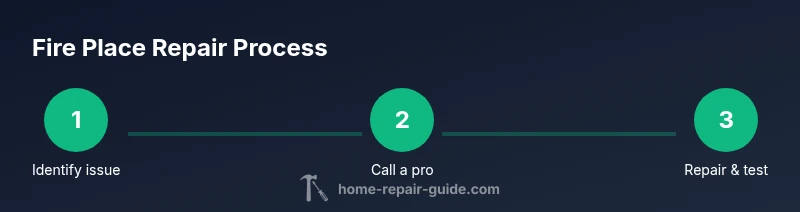
You can safely locate qualified professionals for fire place repair near me or tackle basic safety checks on your own. Start by confirming licensing, insurance, and permit requirements; assess your fireplace type (gas, wood, or electric) and known failure symptoms; then compare local pros and schedule a diagnostic visit. This approach keeps safety first and helps you choose the right service.
What 'fire place repair near me' really means and when to call pros
According to Home Repair Guide, when homeowners search for fire place repair near me, they want to know who to call, what to expect, and how to verify safety before inviting a technician into the home. This term covers gas, wood-burning, and electric fireplaces, plus the surrounding equipment like venting, dampers, and gas lines. In many cases, a diagnostic visit helps determine whether a simple component swap or a full rebuild is required. The Home Repair Guide team emphasizes safety first: if you notice persistent odors, clicking or popping sounds, soot buildup, or visible damage, pause usage and arrange a professional assessment. For homeowners and renters, the goal is to restore heat safely while preserving the unit’s lifespan. In this article we’ll outline reliable ways to find, verify, and work with local pros, so your fire place repair near me results are both effective and safe.
Safety first: CO detectors, venting, and gas line checks
Fireplace safety starts with functional detectors and clear venting. Ensure working smoke and carbon monoxide detectors are installed in the living area and adjacent sleeping spaces. If your unit uses gas, inspect the gas shut-off valve location and test for gas odors only with a certified detector. Venting problems, cracked chimneys, or blocked flues can cause dangerous backdrafts and toxic fumes. A licensed pro should verify vent integrity, gas line connections, and fireplace clearance from combustibles during the initial visit. By prioritizing safety, you reduce the risk of CO exposure and fire hazards while you pursue a proper repair strategy.
Common problems by fireplace type
Fireplace issues vary by type. For gas fireplaces, common concerns include pilot light failure, thermocouple wear, faulty valves, and delayed ignition. Wood-burning models often suffer creosote buildup, chimney obstructions, and heat exchanger wear, which elevate fire risk. Electric fireplaces may present faulty infrared elements or sensor failures that confuse thermostats. Regardless of type, signs such as yellow or orange flame color, unusual odors, excessive smoke, or irregular operation call for a professional evaluation. A local fire place repair near me service should begin with a diagnostic check to determine severity and safety implications and then outline a clear repair path.
Steps you can take before booking a pro
Document symptoms with dates and any changes in performance. Check safety devices like CO detectors and ensure clear access to the unit for technicians. Photograph or note any obvious damage or soot buildup, damaged bricks, or loose mantels. Research local pros, verify licenses and insurance, and ask for written estimates and warranty terms. Collect multiple quotes to compare scope, parts, and labor, and ensure the contractor will test the unit after repairs. This preparation helps you avoid delays and unexpected costs when you schedule a visit for fire place repair near me.
How to evaluate local fireplace repair services
Look for licensing, insurance, and client references. Read reviews that mention reliability, punctuality, and transparent pricing. Ask about warranties on parts and labor, and request a written, itemized estimate before any work begins. Confirm that the service provider follows safety standards for gas work and venting, and ask how emergencies are handled. Finally, ensure the technician is clear about whether the work requires permits from your city or county and how permit approvals affect the project timeline.
What to expect during a service visit
A typical visit starts with a safety briefing, a visual inspection, and diagnostic testing of the ignition system, venting, and seals. The tech should verify CO detector status, gas connections, and the integrity of the chimney or flue. Depending on findings, the pro may replace worn components, reseal joints, or recommend deeper repairs. Expect a written estimate, a parts list, and an annotated scope of work. After completion, the unit should be tested for safe operation and proper venting, and CO alarms should be rechecked.
Maintenance habits to prevent future problems
Regular maintenance reduces the chance of costly repairs. Schedule an annual professional inspection, especially before peak heating seasons. Keep the area around the fireplace clean and free of debris, inspect the damper and doors for proper closure, and test detectors monthly. Use a dedicated chimney sweep if you have a wood-burning unit, and follow manufacturer guidance for fuel type and operation. These proactive steps help keep fire place repair near me issues manageable and extend the life of your system.
AUTHORITY SOURCES
- OSHA safety guidelines: https://www.osha.gov
- NFPA fire safety standards: https://www.nfpa.org
- CDC indoor air quality guidance: https://www.cdc.gov
Note: Always verify local codes and obtain permits when required. This section provides a starting point for safety information and is not a substitute for professional evaluation.
Tools & Materials
- Carbon monoxide detector(Place near living spaces and sleeping areas; test monthly.)
- Smoke detector(Ensure one is installed on each floor.)
- Flashlight(Use for inspecting dark firebox interiors.)
- Gloves and eye protection(Heat-resistant gloves if handling logs or components.)
- Digital camera or smartphone(Document damage and settings for the pro.)
- Phillips screwdriver set(Useful if panels or covers need removal.)
- Cloth rags and cleaner(Wipe soot and residue for a clear inspection.)
Steps
Estimated time: 2-6 hours
- 1
Secure and assess safety
Shut off gas or power as appropriate and remove any immediate hazards. Do not operate the fireplace if you smell gas or note a strong odor. Confirm all detectors are functioning before you proceed.
Tip: Always prioritize personal safety and keep others clear of the area. - 2
Document symptoms
Record when the issue started, how often it occurs, and any accompanying noises or smells. This helps the pro diagnose the problem quickly.
Tip: A short video can help illustrate a flame anomaly or odor. - 3
Inspect visible components
Look for cracked bricks, damaged logs, soot buildup, or loose dampers. Do not touch hot surfaces; use a flashlight to inspect hard-to-reach areas.
Tip: Take clear close-ups of any damage for the technician. - 4
Check venting and clearances
Ensure the chimney or vent is clear of debris and that there are no obstructions in the flue. Improper venting is a common cause of backdrafts and odors.
Tip: Never seal or cover vents during diagnostic checks. - 5
Research local pros
Identify licensed, insured fireplace technicians in your area. Read reviews that mention reliability and transparent pricing.
Tip: Ask for licenses and insurance certificates upfront. - 6
Schedule a diagnostic visit
Invite a qualified professional to inspect and diagnose. Request a written estimate before any work begins, including part costs and labor rates.
Tip: Clarify whether permits are required for the work. - 7
Review quotes and authorize work
Compare scope of work, parts, and labor across quotes. Choose the option that best balances cost, safety, and scheduling.
Tip: Ensure a warranty is included for parts and labor.
FAQ
Do I need a license to repair a gas fireplace?
Gas fireplace work typically requires a licensed professional per local code. Unlicensed work can void warranties and create safety risks.
Gas fireplace repairs usually require a licensed professional, so verify credentials before work.
Can I use my fireplace while waiting for repair?
Do not use the fireplace until a qualified pro has confirmed it is safe. This reduces the risk of carbon monoxide exposure and fires.
Don’t use it until a pro says it’s safe.
What happens during a typical fireplace repair visit?
Technicians diagnose ignition, venting, seals, and components, then provide a written estimate and a plan for repair. They’ll test operation after completion.
A pro will inspect, quote, fix, and test before leaving.
How long does it take to repair a fireplace?
Repair duration varies by issue; expect diagnostic checks to take time and sometimes require ordering parts. A follow-up visit may be needed.
Time varies; some repairs need parts and scheduling.
What are early warning signs my fireplace needs attention?
Yellow or irregular flames, strong odors, excessive smoke, or soot buildup indicate a potential safety issue and deserve prompt evaluation.
Unusual flames or smells should prompt an inspection.
Is DIY repair appropriate for any fireplace?
Small maintenance tasks may be safe, but most repairs, especially gas or venting work, should be handled by a licensed professional.
DIY can be okay for simple checks, but avoid gas work.
Watch Video
Key Takeaways
- Know your fireplace type before searching for a pro
- Prioritize licensed technicians for gas work
- Get written estimates with scopes of work
- Maintain detectors and venting to prevent issues
- The Home Repair Guide team recommends safety first and professional verification