Gas Stove Repair Near Me: A Practical Guide
Find licensed gas stove repair near me options with safety-first diagnostics, clear estimates, and practical budgeting tips. Learn how to evaluate pros, what to expect during service, and when to DIY is not recommended.


Gas stove repair near me refers to locating licensed technicians who service residential gas stoves in your area. A safe, effective repair starts with a diagnostic of burners, igniters, and gas lines, followed by repairs or replacements as needed. For safety, avoid DIY fixes for gas leaks or faulty connections; hire a qualified professional who follows local codes and safety practices.
Why finding a gas stove repair near me matters
Gas stove safety hinges on proper diagnostics, credentialed technicians, and adherence to local codes. When you search for gas stove repair near me, you increase the odds of finding specialists who understand gas lines, regulators, ignition systems, and flame stability. The Home Repair Guide team emphasizes that timely, professional intervention reduces the risk of gas leaks, fires, and carbon monoxide exposure. In practice, a licensed technician will verify burner alignment, test ignition reliability, and inspect gas connections for signs of wear or corrosion. By prioritizing licensed professionals, homeowners and renters minimize liability and ensure repairs meet current safety standards. According to Home Repair Guide, area-based service providers with transparent licensing information tend to offer clearer diagnostic reports and defensible warranty terms, which helps you plan repairs with confidence.
How to evaluate technicians in your area
Locating a trustworthy gas stove repair near me begins with a structured evaluation. Start by confirming active licenses and insurance coverage, then request documentation of certifications relevant to gas appliance work. Read independent reviews to gauge reliability, response times, and accuracy of diagnostics. Ask for a written estimate that itemizes parts, labor, and potential additional costs, plus a clear warranty policy. Compare technicians on safety practices (gas leak detection, CO monitoring), arrival time, and post-repair follow-up. A reputable pro will provide concise diagnostic steps, explain the rationale for each recommended fix, and avoid surprises in the final bill. Home Repair Guide analysis suggests soliciting at least two quotes to benchmark pricing and service scope.
Essential safety checks before a repair
Before scheduling service, perform basic safety checks to protect your household. If you smell gas, evacuate and call emergency services immediately. Ensure your home has a working carbon monoxide detector and that the kitchen has proper ventilation. Locate your gas shut-off valve (often near the appliance) and know how to operate it safely in an emergency. Prepare to provide the technician with model numbers, recent maintenance notes, and a description of symptoms (ignition failure, weak flame, irregular burner). These steps reduce downtime and help the technician diagnose more accurately during the first visit.
Common gas stove issues and practical fixes
Gas stoves present a range of issues from ignition problems to irregular flames. Common symptoms include burners that fail to light, weak blue flames turning orange, or sputtering sounds. Practical fixes often involve cleaning burner ports, replacing igniters, or seating burner caps correctly. If corrosion or gas line wear is suspected, a professional must inspect gas valves and pressure regulators. While some maintenance tasks (like cleaning or replacing simple parts) can be done safely by homeowners, more complex repairs—especially anything involving gas lines or leak checks—should be handled by a licensed technician to meet safety and code requirements.
When to DIY vs. professional help
DIY fixes for kitchen appliances can be tempting, but gas stove repairs carry significant risk. Do not attempt any work if you smell gas, hear a hissing sound, or notice an unburned gas odor. Minor cleaning of accessible parts is generally safe, but diagnostic steps, igniter replacements, or gas-line interventions require professional expertise. For non-urgent maintenance, monitor burner performance and keep vents clear; for anything beyond cosmetic cleaning or basic part swaps, contact a licensed pro to avoid safety hazards and ensure compliance with local codes.
What to expect from a diagnostic visit
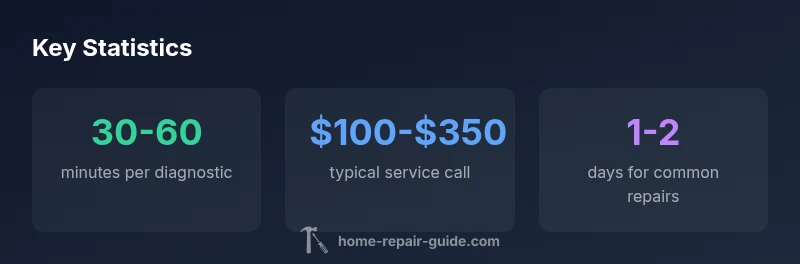
A typical diagnostic visit includes a safety briefing, symptom review, and a hands-on inspection of gas lines, ignition components, burners, and valves. Expect tests for gas pressure, leak detection with approved instruments, and combustion analysis to confirm proper flame characteristics. The technician should provide a written report detailing findings, recommended fixes, parts involved, and a clear cost estimate before any work begins. The Home Repair Guide team notes that transparent communication about safety steps, potential disruptions, and warranty coverage improves homeowner trust and repair outcomes.
Cost factors and budgeting for gas stove repairs
Garnering a fair repair quote hinges on understanding regional labor rates, part availability, and the complexity of the issue. Diagnostic fees may apply, and some repairs require specialized gas-rated components. Budget ranges should consider potential additional costs for valve replacements, regulator calibration, or burner port cleaning. While prices vary, planning for a diagnostic and labor package within a mid-range estimate helps you compare options effectively. Always request a written, itemized quote and inquire about any required permits or safety tests that may affect the final cost.
Maintenance tips to extend stove life and safety
Preventive care can extend the life of your gas stove and reduce emergency visits. Regularly clean burners, ports, and grates; keep the area around the appliance free of combustibles; check for loose connections and listen for unusual sounds. Schedule periodic professional inspections, especially after renovations or moving the appliance. Use a high-quality CO detector, ensure proper ventilation, and implement a simple maintenance calendar. These practices, recommended by Home Repair Guide, support long-term safety and reliable performance for gas stove repairs near me.
Representative scenarios in gas stove repair diagnostics
| Issue Area | Typical Check | When to Call Pros |
|---|---|---|
| Gas leak or hissing sound | Inspect for odor, locate shut-off valve, evacuate if gas odor present | Call emergency services and licensed tech immediately |
| Ignition problems | Test igniter spark, check electrode, clean burner ports | If ignition still fails, professional diagnostic required |
| Flame irregularity | Observe flame color and stability, clean ports, ensure burner seating | Professional valve/gas-line check if issue persists |
| Regulator concerns | Check regulator for wear, test gas pressure with appropriate tools | Licensed tech needed for regulator replacement |
| Electrical ignition failure | Inspect wiring to igniter, check control module if applicable | Schedule service if no spark or control faults |
FAQ
How do I verify a technician's license for gas stove repair near me?
Check state or provincial licensing for gas work, ask for the license number, business registration, and proof of insurance. Verify credentials with the licensing board or insurer, and review any recent disciplinary actions. Prefer technicians with documented certifications and transparent references.
Always verify licensing and insurance before work begins, and ask for proof in writing.
Can I attempt any gas stove repairs myself?
DIY gas stove repairs are not advised. Gas leaks, weak regulators, and ignition failures pose fire and carbon monoxide risks. Minor cleaning is acceptable, but diagnostics and gas-line work require a licensed professional.
No, avoid DIY for gas-related repairs; safety comes first.
What is a typical diagnostic visit like?
A diagnostic visit includes safety briefing, symptom review, inspection of burners and gas lines, gas-pressure testing, and a written report with recommended fixes and a cost estimate.
Expect a step-by-step assessment with a clear written plan and costs.
What costs should I expect for gas stove repair near me?
Costs vary by region and issue. Diagnostic fees may apply, with parts and labor priced separately. Request an itemized quote before any work and ask about warranties.
Prices vary; always get a written quote before work starts.
How long do repairs usually take?
Most repairs are completed within a few hours to a day. More complex gas-line work can require scheduling and follow-up visits for safety checks.
Most repairs are a same-day to next-day job, depending on the issue.
“A professional, licensed technician reduces safety risks and ensures repairs meet code requirements, especially with gas appliances.”
Key Takeaways
- Hire licensed pros for gas stove repairs
- Prioritize safety checks and gas leak diagnostics
- Request clear upfront estimates and warranties
- Know when to replace components rather than repair
- Keep thorough service records for future visits