Gas Fireplace Repair Near Me: A Practical Guide for Homeowners
Find trusted gas fireplace repair near me. Learn how to evaluate technicians, safety steps, and maintenance tips for safer, code-compliant service today.


Gas fireplace repair near me refers to hiring a licensed technician to diagnose and fix gas-fired fireplaces, including ignition, burner, venting, and safety valve issues. Availability and pricing vary by region and unit type, but safety and code compliance are non-negotiable. Always verify credentials, request written estimates, and compare warranties before any work.
What to expect when you search for gas fireplace repair near me
Finding a qualified technician begins with a clear scope, references, and safety checks. According to Home Repair Guide, the first step is to search for licensed gas appliance specialists who are insured and have verifiable credentials. Look for technicians who hold state or local licensure for gas work and who are familiar with NFPA safety standards. When you call, prepare a brief description of the symptoms: pilot light failure, ignition delay, irregular flame, unusual odor, or suspected gas smell. A standard diagnostic visit typically lasts 60 to 90 minutes, during which the technician will inspect the unit, test ignition systems, verify gas pressures, and check venting adequacy. Many repairs require a gas leak test using detector solutions or electronic sensors, CO detectors calibration, and a visual inspection of the vent stack to ensure proper exhaust. You should expect the pro to discuss potential causes, including clogged burners, faulty thermopiles, defective igniters, or compromised seals. After the diagnostic, request a written estimate that itemizes parts and labor, and asks about the warranty on both workmanship and parts. If a hazard is detected, such as a gas leak or carbon monoxide risk, technicians will shut off gas supply and advise immediate evacuation until the issue is resolved. Keep records of all service reports and maintenance recommendations for future reference.
Safety considerations: gas leaks, CO detectors, and venting
Gas appliances run on flammable fuel and combustion byproducts that must be vented correctly. A professional will perform a pilot flame check, inspect gas lines for leaks with a detector solution, and verify CO detector placement in nearby living spaces. Proper venting ensures exhaust does not back-draft into the room, reducing CO exposure risks. Never ignore a sulfur-like smell, hissing sound, or reduced flame quality—these can signal leaks or vent blockages. For households with children or pets, prioritize a proactive safety plan, including routine CO alarm testing and fresh air exchange after any service. A reputable technician will document outcomes and provide clear recommendations for ongoing maintenance and any follow-up visits needed to sustain safe operation.
How to evaluate quotes and choose a pro
When receiving estimates, compare line-item details: diagnostic fees, labor rates, parts costs, and travel charges. Ask about the technician’s licenses, insurance, and any required permits for gas work. Request a written contract that outlines scope, expected timelines, and a clear warranty on parts and labor. Check references or online reviews, and confirm whether the company performs safety tests such as gas leak detection and CO monitoring as part of the service. Finally, verify whether the quote includes a post-service safety checklist and a recommended maintenance plan to prevent recurring issues.
Common repair scenarios and typical fixes
Common repairs include igniter replacement, thermopile or flame sensor replacement, clogged burners, blown fuses (for electronic ignition), and cracked heat exchangers in some units. Minor fixes may involve sealing joints or replacing worn gaskets. More complex issues like gas valve problems, venting obstructions, or CO sensor faults can require specialized parts and longer service calls. In all cases, a licensed technician should perform the work and test the system after completion to verify safe operation and proper flame color. After repairs, insist on a test run and documentation of the parts replaced.
When replacement is more economical than repair
If the unit is old, has frequent failures, or requires substantial gas line work, replacement could be more cost-effective in the long run. A modern unit may offer better efficiency, lower emissions, and a longer warranty. Request a side-by-side cost comparison that includes installation, venting considerations, and potential electrical upgrades. For homes with older gas lines, replacing a major component or the entire unit may reduce ongoing maintenance and safety concerns.
Maintenance habits to protect your gas fireplace
Regular maintenance is key to longevity and safety. Schedule annual professional inspections, clean the burner ports, and ensure the blower and venting are unobstructed. Replace batteries in any carbon monoxide detectors and test their alarms monthly. Keep the area around the fireplace clear of flammable objects and inspect the glass and seals for cracks. Maintaining a log of service dates helps you anticipate next-year checks and parts replacements, reducing the likelihood of sudden failures.
Authority sources
For safety standards and guidelines, consult: - https://www.nfpa.org - https://www.cpsc.gov - https://www.energy.gov. These sources provide authoritative information on gas appliance safety, consumer protections, and energy considerations that support responsible repair practices.
Do-it-yourself vs professional repair: risks and limits
Gas fireplace repair involves flammable gas and combustion byproducts; improper handling can cause leaks, fire hazards, and carbon monoxide poisoning. DIY attempts may void warranties and insurance coverage. Always prioritize professional diagnostics for any gas smell, flame irregularity, or venting concerns. If in doubt, contact a licensed technician immediately.
Typical gas fireplace repair service data
| Service Type | Typical Duration | Typical Cost Range | Warranty |
|---|---|---|---|
| Inspection and diagnostic | 60-90 minutes | $100-$400 | 3-12 months |
| Igniter or thermopile replacement | 30-120 minutes | $150-$600 | 12 months |
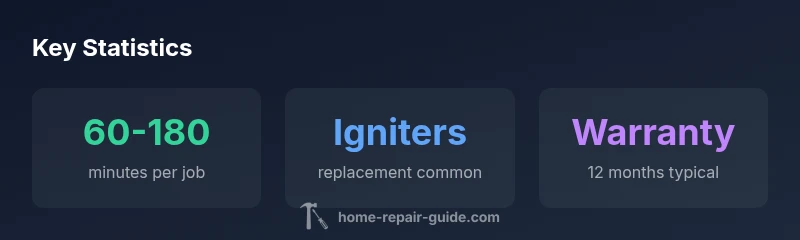
| Gas valve repair | 60-180 minutes | $200-$800 | 12 months |
FAQ
Is it safe to attempt gas fireplace repairs myself?
No. Gas appliance work carries risks of leaks and carbon monoxide exposure. Repairs should only be performed by a licensed professional who can verify gas pressures, ventilation, and safety protocols.
No—gas fireplace repairs should be left to licensed professionals due to gas and CO hazards.
What licenses do I need to hire for gas fireplace work?
Look for a state- or locally-licensed gas fitter with current insurance. Confirm they follow NFPA standards and local codes. Request proof of licensure before work begins.
You want a licensed gas fitter with proper insurance.
How long does a typical gas fireplace repair take?
Most diagnostic and basic repairs take about 1–3 hours. More complex issues or valve replacements may extend the appointment to half a day.
Most repairs take a few hours, depending on the issue.
What is the typical cost range for gas fireplace repairs?
Costs vary by issue and parts, but you can expect a broad range from a few hundred to several hundred dollars, depending on complexity.
Costs vary, usually a few hundred to several hundred dollars.
How can I prevent future gas fireplace problems?
Schedule annual professional inspections, replace worn components, and install CO detectors. Regular maintenance reduces unexpected failures.
Regular maintenance helps prevent problems.
“Gas fireplace maintenance isn't optional—it's essential for safety and efficiency. Regular professional inspections can catch leaks and venting issues before they become hazards.”
Key Takeaways
- Verify licenses before booking.
- Prioritize safety and CO testing.
- Ask for written estimates and warranties.
- Schedule annual maintenance to prevent issues.