Who Repairs Gas Fireplaces: A Practical Guide
Learn who repairs gas fireplaces, licensing requirements, how to identify the right professional, and what to expect during service.


If you’re asking who repairs gas fireplaces, licensed gas-fitters, HVAC technicians specializing in gas appliances, and some licensed plumbers handle the work. The right pro will assess venting, gas lines, and combustion safety; they’ll also test for leaks and ensure proper shutoffs. This article outlines roles, safety steps, and how to choose qualified help.
Who repairs gas fireplaces and why it matters
When a gas fireplace malfunctions, homeowners commonly ask who repairs gas fireplaces and what kind of technician is qualified to fix it. The short answer is: licensed professionals—typically gas fitters, HVAC technicians who specialize in gas appliances, or a licensed plumber with gas credentials—handle the work. The Home Repair Guide team found that most jurisdictions require professional oversight for any gas-line work or venting adjustments. This isn't a surface repair job; it involves gas supply, combustion air, exhaust venting, and carbon monoxide safety. In practice, you’ll see a range of scenarios where different specialists are involved. For example, a pilot-light issue or valve hesitation may be within the scope of a gas fitter, while a gas insert service or chimney vent check might fall to an HVAC technician, depending on local licensing and the specifics of the installation. In all cases, professionals follow a safety-first process that protects occupants and ensures code compliance. According to Home Repair Guide, beginning with a licensed pro reduces the risk of gas leaks, improper venting, and dangerous combustion byproducts.
Safety first: DIY vs professional advisables
Gas work carries inherent risks, including gas leaks, carbon monoxide exposure, and fire hazards. Homeowners should not attempt repairs that involve gas lines, valves, or vent connections unless they are a licensed professional with the appropriate certification. Simple maintenance tasks—like keeping vents clear and ensuring detectors are functioning—can be safely done by non-professionals, but any diagnostic steps that involve gas flow or combustion testing should be deferred to a qualified technician. The key is to balance proactive maintenance with strict safety boundaries, and to treat any odor of gas, hissing sounds, or pilot-light failure as a red flag that requires immediate professional evaluation. The Home Repair Guide team emphasizes safety and the importance of proper venting and gas connection testing during any service call.
Qualifications and roles: Gas fitter vs HVAC tech vs plumber
Different professionals bring different credentials to gas fireplace work. A gas fitter typically specializes in installation and repair of gas lines and valves. An HVAC technician with gas appliance experience can handle venting, combustion safety testing, and integrated systems like gas inserts. A licensed plumber may address leaks or repairs where gas supply and plumbing systems intersect. Licensing requirements vary by state and locality, but in most places you’ll want someone with a current gas or hvac license and proof of insurance. Look for certifications from recognized bodies and ask for license numbers to verify status. This triad of professional roles helps ensure you get the right expertise for your specific fireplace setup.
Common issues and the right expert
Typical problems include pilot-light failures, noisy regulators, sluggish ignition, or intermittent flame. If a leak is suspected, shut off the gas supply immediately and evacuate the area, then call emergency services if odor is detected. A pilot-light issue or valve hesitation usually falls to a gas fitter or an HVAC tech, depending on the installation. Venting concerns, backdrafts, or carbon monoxide detector warnings often require an HVAC professional with gas experience. Complex repairs—such as rerouting venting or swapping out gas-insert components—should be managed by the appropriate licensed specialist. Always prioritize safety and verify credentials before any diagnostic work begins.
How to choose a qualified professional
Start by asking for licensing, insurance, and recent references. Confirm that the pro has current gas or hvac credentials and can provide a written estimate. Request a site visit for an upfront assessment and note whether they perform combustion safety testing and leak detection as part of the service. Check online reviews and state registry listings. Prepare a short list of questions about your fireplace’s model, installation date, and any recent changes to the gas system. The best choice is a provider who communicates clearly, offers transparent pricing, and demonstrates thorough safety practices.
What to expect during service and typical costs
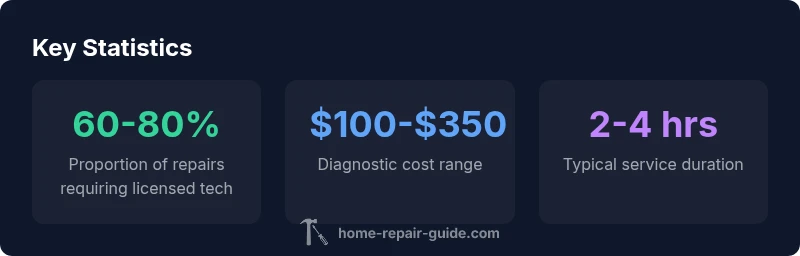
A typical service starts with a safety briefing, followed by an inspection of gas lines, valves, and the venting system, plus combustion testing and CO detector verification. Diagnostics are commonly priced as a fixed fee or hour-based, with a diagnostic range that usually falls between a few dozen to a few hundred dollars. If repairs are needed, expect a breakdown of parts and labor, with the final quote reflecting material costs. Because gas work is highly variable, many licensed professionals will provide a written estimate after the initial assessment. Always ask about the warranty on parts and labor before agreeing to service.
Maintenance tips to reduce future problems
Regular maintenance helps prevent costly failures. Schedule an annual or biannual professional inspection, especially if you use your gas fireplace frequently. Keep the area around the unit clear of combustibles and ensure detectors are working. Replace batteries on CO detectors as recommended by the manufacturer, and service any dampers or vents to prevent backdrafts. If you smell gas or notice a hissing sound, leave the area immediately and contact your gas provider or emergency services. Consistent, proactive maintenance with a licensed professional is the best defense against future issues.
Professional roles for gas fireplace repairs
| Role | Typical Tasks | Licensing | When to Use |
|---|---|---|---|
| Gas Fitter | Inspect and install gas lines; perform valve checks | Gas-safe license required | During installation or major repairs |
| HVAC Technician | Inspect venting; service gas inserts; test carbon monoxide detectors | HVAC/gas license typically required | For service on gas-powered fireplaces or inserts |
| Plumber (gas-certified) | Repair gas supply lines; shutoffs; leak repair | Gas certification often required | When plumbing intersects gas supply or leaks are suspected |
FAQ
Do I need a permit to repair gas fireplaces?
Permit requirements vary by location. A licensed professional can confirm local rules and help you obtain any necessary permits. Working with gas lines typically triggers inspection by a local authority to ensure code compliance.
Permits vary by location; your contractor can confirm and handle the process if needed.
Can I detect gas leaks myself safely?
Gas leaks are dangerous. Do not use flames or electrical switches near a suspected leak. If you smell gas, evacuate and call your gas provider or emergency services immediately.
If you smell gas, evacuate and call emergency services right away.
What qualifications should I look for in a pro?
Look for a licensed gas fitter or HVAC tech with current certification and insurance. Ask for license numbers and verify them with the state registry or licensing board.
Make sure they’re licensed and insured, and verify their credentials.
How long does a typical service take?
Diagnostics can take 1-2 hours, with repairs extending the timeline depending on part availability and complexity. Your pro should provide a written timeline after assessment.
Diagnostics take about an hour or two; repairs depend on parts and complexity.
What maintenance reduces future issues?
Schedule regular professional inspections, keep vents clear, test CO detectors, and address any gas odor or performance changes promptly.
Keep up with annual checks and address odd smells or performance right away.
“Gas fireplaces require careful inspection of venting, gas lines, and combustion. Work should only be done by licensed professionals to prevent carbon monoxide risks and leaks.”
Key Takeaways
- Choose licensed professionals for gas work
- Know the roles of gas fitters, HVAC techs, and plumbers
- Verify licensing and insurance before hiring
- Do not DIY gas-line repairs
- Ensure combustion testing and leak checks are performed