Mobile RV Repair: On-the-Go Fixes for Road-Ready RVs
A practical, field-tested guide for diagnosing and fixing common RV issues on the road. Learn safety checks, step-by-step repairs, and when to call a pro, tailored for mobile RV repair scenarios.


In this guide you’ll learn how to perform essential, on-site repairs for a mobile r v repair setup. You’ll cover safety checks, fault diagnosis, basic fixes, and when to call a pro. This approach helps you keep your RV road-ready and minimizes downtime. From tools you should carry to step-by-step diagnostics, the guide blends do-it-yourself tips with clear safety warnings. By following the structure, you’ll build confidence tackling common issues like electrical glitches, leaks, or battery problems while traveling. This is especially true for mobile r v repair, where space and power are limited.
Why Mobile RV Repair Demands Preparedness
On the road, space is precious, and issues can escalate quickly without a plan. Mobile r v repair requires a practical mindset, a compact toolkit, and a methodical approach to diagnose problems in diverse environments—from campground pads to remote highways. The Home Repair Guide team emphasizes preparedness because even simple fixes can become risky if you’re not thinking through safety, ventilation, and tool organization. By treating every repair as a small project, you reduce downtime, protect your rig, and keep travels moving smoothly. Throughout this guide you’ll learn how to set up a safe workspace, select the right techniques, and decide when it’s time to call a professional.
In practice, having a well-thought-out plan makes the most difference. You’ll frame the repair as a sequence of safe, repeatable steps rather than a sprint to a solution. This mindset is especially important for mobile operations, where a proper workspace and predictable supplies are half the battle. According to Home Repair Guide analysis, teams that stock a focused toolkit and maintain a quick-diagnostic checklist achieve faster turnarounds and fewer safety incidents. The goal is reliability, not risky improvisation, so you can enjoy your trip without worrying about avoidable breakdowns.
According to Home Repair Guide, disciplined preparation reduces downtime and increases on-road reliability for mobile r v repair tasks.
Safety First: Protective Gear and Hazard Awareness
Working on an RV in varying environments presents hazards—from unstable surfaces to propane and electricity. Always wear protective eyewear, gloves, and closed-toe shoes. Use wheel chocks and the parking brake, and set up a stable, well-ventilated workspace. If you smell propane, hear a hiss, or detect a strong gas odor, evacuate immediately and ventilate the space. Keep a portable fire extinguisher within reach and never work under an RV that’s only supported by a jack. The objective is to minimize risk while diagnosing and fixing issues in a constrained space. According to Home Repair Guide, safety training is the single most impactful factor in reducing on-site accidents.
Prepare a clean, dry area, ensure lighting is adequate, and keep a log of actions as you go. A disciplined safety approach not only protects you but also helps you communicate repairs to future occupants or professional technicians.
Core RV Systems You’ll Service on the Road
A mobile repair mindset must address multiple, interdependent systems. The 12V electrical system powers lights, sensors, and some appliances; shore power (AC) can supplement or replace the 12V setup when available. The plumbing system includes fresh water, the water pump, and waste lines, which require leak checks and proper seals. The propane system powers heating and cooking, so verifying connections and leaks is essential. Appliances, generators, and HVAC add additional complexity and may require temporary disconnection from mains power for safety. Roof seals and exterior plumbing can degrade with weather, so periodic inspections are crucial. Understanding how these systems interact helps you prioritize fixes and avoid creating new issues.
Diagnostic Framework for On-the-Road Repairs
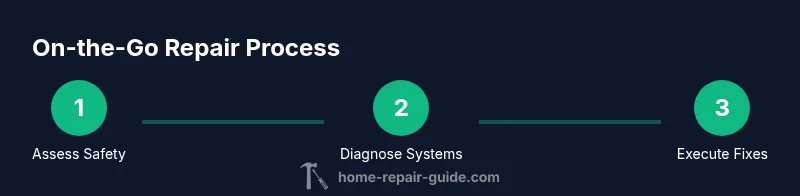
Adopt a simple, repeatable diagnostic framework: observe symptoms, verify with tests, and isolate the root cause before repairing. Start with a visual inspection for obvious signs like leaks, corrosion, or damaged wires. Use a portable multimeter to check voltage across critical points and test fuses and breakers. Confirm problems by reproducing the symptom in a controlled way, then document findings and the proposed fix. This framework minimizes guesswork and is particularly valuable when you’re working with limited space and tools. Home Repair Guide emphasizes keeping a concise log so future repairs or visits by professionals have a reliable history.
Tools and Materials You Should Carry
A compact, purpose-built toolkit saves time and reduces trip interruptions. Essential items include a comprehensive tool kit with sockets and pliers, a digital multimeter for electrical work, wheel chocks, a reliable flashlight or headlamp, dielectric grease and electrical tape for moisture protection, assorted hose clamps and fittings for water lines, a propane-safe leak detector, a few spare fuses, and a fire extinguisher. Optional but helpful items include roof sealant for minor sealing tasks and model-specific manuals or apps for quick reference. The goal is to cover the majority of 80% of on-site RV issues without overloading your bag.
Step-by-Step Quick Diagnostics (On-site)
Step 1: Prepare the workspace and safety gear. Park on level ground, engage the parking brake, and chock wheels. Step 2: Power down and verify ventilation. Turn off shore power if present and confirm ventilation when working with fumes. Step 3: Inspect battery connections and voltage. Look for corrosion and ensure clamps are tight; measure voltage with a multimeter. Step 4: Check shore power, circuit breakers, and fuses. Confirm that the outlet and converter are delivering proper voltages. Step 5: Inspect water lines and pump for visible leaks. Listen for abnormal sounds and feel for damp spots. Step 6: Check propane lines for leaks using soapy water; never use open flame to test. Step 7: Run appliances and generator as appropriate to verify operation. Step 8: Road-test the RV and document results for ongoing maintenance.
Tip: Maintain a simple, portable fault-tracking sheet to capture symptoms, tests, and fixes for each trip.
Common DIY Fixes You Can Tackle Safely
On the road, many minor issues are within reach with the right approach. A loose electrical connection can often be tightened with a screwdriver and a clean contact, while a dripping faucet may only need a renewed gasket or seal. A clogged water filter, a dirty RV wastewater valve, or a worn hose clamp are common culprits that can be addressed with readily available parts. Always start with non-destructive fixes and replace worn gaskets or seals to prevent more serious leaks. If you encounter a gas smell, a burning odor, or persistent electrical arcing, stop immediately and contact a professional. Routine maintenance, like peroxide, vinegar, or safe cleaning solutions for exterior surfaces, can extend equipment life and prevent corrosion.
When to Call a Pro vs DIY and How to Vet Help
Not every repair should be a DIY project. Critical systems—propane, gas lines, high-voltage wiring, or brake and steering components—pose significant safety risks if mishandled. If you’re unsure about any step, or if the issue involves hot surfaces, exposed wiring, or structural concerns, stop and consult a licensed technician. When vetting help, ask about RV-specific training, experience with your model, and a clear estimate for parts and labor. Request a written diagnostic report and a warranty on repairs. If possible, choose a mobile technician with verifiable credentials and positive reviews.
Preventive Maintenance for a Mobile RV
Preventive maintenance reduces the likelihood of breakdowns on the road. Create a simple maintenance calendar that covers battery checks, tire pressure and tread inspection, brake and lighting system checks, and sealant reapplication for roof joints. Regularly test the generator, clean or replace air filters, and inspect water hoses for cracks or bulges. Weatherproofing is critical when traveling across climates—seal windows and doors properly, check for friction points on rails and slides, and keep a spare parts kit on hand. A little proactive care now saves big hassles later.
Documentation and Record-Keeping for Mobile RV Repairs
Keep a repair log that includes dates, symptoms, tests run, parts replaced, and the name of any technician consulted. Photographs of damaged components help with later diagnostics or warranty claims. If you maintain a standardized format for the diagnostics and fixes, you’ll improve future maintenance cycles and simplify insurance or warranty processes. Documentation also helps you plan preventive maintenance more effectively and makes it easier to convey issues to a professional when you need to.
Tools & Materials
- Comprehensive basic tool kit (sockets, wrenches, screwdrivers, pliers)(Carry both metric and SAE sizes; include a cordless driver if available)
- Digital multimeter (DC 12V and AC capable)(Essential for diagnosing electrical faults)
- RV-specific level and wheel chocks(Stabilize the RV on uneven ground)
- Voltage tester and flashlight/headlamp(Ensure visibility in tight spaces)
- Electrical insulation materials (electrical tape, dielectric grease)(Protect connections from moisture)
- Assorted hose clamps and water-line fittings(Be ready to fix minor leaks)
- Propane-safe leak detector and gas line seal tape(Check propane lines before use)
- Sealant, caulk, and repair tape for roof or seams(Optional for minor resealing tasks)
- Fire extinguisher and smoke/CO detectors test kit(Safety compliance; verify alarms are functioning)
- Spare fuses and fuse puller(Replace blown fuses quickly)
Steps
Estimated time: 60-120 minutes
- 1
Prepare the workspace and safety gear
Park on level ground, engage the parking brake, and place wheel chocks. Put on PPE and arrange lighting. Clear a small footprint for tools and components.
Tip: Keep a dedicated kneeling pad and a small tray to organize fasteners. - 2
Power down and verify ventilation
Turn off shore power if connected; unplug any AC equipment. Open exterior vents or windows to ensure good ventilation if you’re testing fumes or propane systems.
Tip: Never work near an open flame when testing propane lines. - 3
Check battery connections and voltage
Inspect all battery terminals for corrosion; clean and tighten connections. Use a multimeter to verify battery voltage and charging output.
Tip: Record voltage readings to monitor battery health over time. - 4
Test shore power and circuit protection
Probe outlets and components fed by shore power for proper voltage. Check breakers and fuses; replace any that are damaged.
Tip: Carry spare fuses suitable for your RV’s electrical panel. - 5
Inspect water system and pump for leaks
Look for damp spots, cracked hoses, and loose clamps. Operate the water pump and listen for abnormal noises indicating wear.
Tip: Keep handy spare hose clamps and water-line fittings. - 6
Inspect propane lines and appliances
Inspect hoses for cracks; check fittings for tightness. Use a soap-and-water solution to detect leaks. Do not ignite any flames during this check.
Tip: If you detect a leak or smell gas, evacuate and contact a professional immediately. - 7
Test appliances and generator
Run a cycle on major appliances to verify operation and timing. Start the generator in a well-ventilated area and check for abnormal noises or vibrations.
Tip: Never run a generator indoors or in an enclosed space. - 8
Road-test and document results
Take a short drive or operate essential systems to confirm fixes. Record what was done, what worked, and any remaining concerns for follow-up.
Tip: Keep a dated repair log you can share with a technician later.
FAQ
What is mobile RV repair and why is it different from in-shop service?
Mobile RV repair brings diagnostics and fixes to your location, using portable tools and adaptable methods suited to limited space and on-site conditions. It emphasizes safety, quick triage, and practical repairs you can perform away from a shop.
Mobile RV repair brings care to you, with portable tools and practical fixes you can perform on-site.
What gear should I keep for on-site RV repairs?
Keep a compact tool kit, digital multimeter, spare fittings, clamps, sealants, wheel chocks, a flashlight, and safety gear. Having model-specific manuals or apps helps with diagnostics.
A compact toolkit, a multimeter, spare parts, and safety gear will handle most on-site fixes.
Is it safe to perform electrical repairs in an RV?
Electrical work can be hazardous. Always power down, use PPE, and test circuits with a meter. If you’re unsure, stop and call a pro.
Electrical work can be dangerous; shut off power and ask for professional help if unsure.
How much does mobile RV repair typically cost?
Costs vary by issue and distance. Expect diagnostic fees plus parts and labor, with a broad range based on location and severity.
Costs vary, including diagnostics, parts, and travel fees.
What are signs that require urgent professional attention?
Severe propane smells, electrical arcing, gas leaks, or loss of vehicle control require immediate professional intervention.
If you smell gas or see sparking, get to safety and call a pro immediately.
Watch Video
Key Takeaways
- Start with safety and a clear plan.
- Pack a focused, mobile-friendly toolkit.
- Diagnose methodically using a structured framework.
- Know when to escalate to professional help.
- Document repairs and maintenance for future trips.