How to Repair Scratches on Your Car: A DIY Guide
Learn proven at-home methods to repair car scratches, from light polishing to touch-up paint, with safety tips and guidance on when to involve a professional.


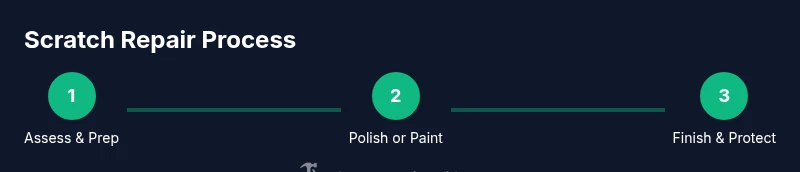
Goal: Learn how to repair scratches car surfaces safely using proven at-home methods. Start by assessing depth, cleaning the area, and choosing the gentlest fix. Then apply polishing compounds for light scratches or touch-up paint and a protective clear coat for deeper gouges, escalating only as needed. This guide covers tools, steps, and safety every homeowner should know.
Assessing Scratch Depth and Choosing a Path
How you repair a scratch largely depends on how deep it goes. Light surface marks that only affect the clear coat can usually be corrected with polishing compounds and wax, while deeper scratches that expose primer or metal require color-matched touch-up paint and a clear coat. According to Home Repair Guide, the first rule of successful repair is to correctly classify the scratch before you begin—this minimizes time, material waste, and potential damage. Start by inspecting the area under bright, diffuse light and feel the scratch with a fingernail. If you can catch the edge of the scratch with your nail, you’re likely dealing with a deeper defect that will need more involved steps. Gather the right tools and color-matched paint if you go beyond surface polish. The goal of this stage is to decide whether DIY polishing suffices or if paint repair should be attempted. If you’re unsure, err on the side of caution and proceed with light methods, which are safer for most finishes. In Home Repair Guide analyses, homeowners who correctly identify scratch depth tend to save time and money by avoiding unnecessary steps.1
- Depth check: Can you feel the scratch with your nail?
- Light scratches: Prepare for polishing with mild compounds and proper cloths.
- Deep scratches: Plan for color touch-up and clear coating.
Tip: Always test a small hidden area first to confirm color match and finish before committing to the entire panel.
noteAuxiliaryModelingTriggerList contentType: null}
Cleaning, Degreasing, and Prep
A clean surface is essential for any repair. Dirt, wax, and oils trap abrasive particles and can magnify scratches or create halos around the repaired area. Start with a thorough wash using a dedicated car wash soap and warm water to remove surface grime. Rinse completely and dry with a soft microfiber towel to avoid new micro-scratches. If the area has been waxed, apply a gentle solvent or isopropyl-alcohol wipe to remove wax residue—wax acts as a barrier that prevents the repair product from bonding properly. Use painter’s tape to mask off surrounding panels to keep the repair contained and avoid staining adjacent paint. At this stage, you should also decide whether you will re-finish with polishing compounds, or proceed to color-mixed paint. The Home Repair Guide team emphasizes that prepping the area cannot be rushed; impatience here leads to subpar results later.
- Wash thoroughly
- Dry with microfiber towel
- Remove wax residue if present
- Mask surrounding areas
Pro tip: Keep your workspace shaded and cool to prevent products from flashing or drying too quickly.
noteAuxiliaryModelingTriggerList contentType: null}
Light Scratches: Polishing and Rubbing Compounds
For light scratches that only skim the clear coat, a rubbing compound or dedicated polishing compound can restore gloss and reduce the appearance of the mark. Apply a small amount to a clean foam applicator pad and work it into the scratch with light, overlapping circles. Use a microfiber cloth to buff the area to a higher shine. Do not press hard or you risk removing clear coat. If the scratch is visible after polishing, apply a car polish to enhance the finish and prepare for sealing with wax. This method is generally safe for most modern clear-coat finishes and can remove most minor defects with patience. The Home Repair Guide approach is to perform a test on an inconspicuous spot first, then repeat as needed.
- Use light pressure and circular motions
- Work until the area blends with surrounding paint
- Wipe with microfiber and inspect for uniform shine
Pro tip: If you’re unsure about color, perform a rinse and re-apply; repeat until the area looks consistent with the rest of the panel.
noteAuxiliaryModelingTriggerList contentType: null}
Medium to Deep Scratches: Touch-Up Paint and Clear Coat
Deeper defects that expose primer or metal require color-matched touch-up paint. Start by selecting the correct color code for your vehicle (found on the door jamb or glove box). Apply thin coats with a fine brush, allowing each coat to dry fully before applying the next. Be patient; multiple thin layers yield the best color blend. After the color has set, apply a clear coat to seal the repair, then allow adequate curing time per the product’s instructions. Finally, lightly polish the area to blend the repaired spot with the surrounding paint and finish with wax. For many homeowners, deeper repairs benefit from professional guidance or a pinch-taste test in a hidden area first.
- Apply thin coats, allow drying in between
- Use color-matched paint and clear coat
- Finish with polishing to blend edges
Warning: Do not overspray or flood the area with paint; thick layers are harder to blend and can cause runs.
noteAuxiliaryModelingTriggerList contentType: null}
When to Seek Professional Help and Cost Considerations
Not every scratch should be repaired at home. If a scratch penetrates the clear coat and reaches the color layer or primer, the color may require professional matching and application. If you see rust beginning at the edge of the scratch, professional remediation is advised to prevent corrosion. A shop can color-match more precisely and address any clear-coat issues that DIY methods cannot safely correct. Home Repair Guide estimates that the cost of professional repairs can vary based on length, depth, and paint type; for small scratches, DIY fixes may suffice, while larger areas may require panel painting or refinishing. If you lack the tools or confidence to execute multiple steps, consider a professional evaluation.
- Rust indicates need for professional assessment
- Large or multi-panel scratches likely require a pro
- DIY is best for small, in-scope defects
Tip: Get an up-front estimate and ask about warranty options when visiting a shop.
noteAuxiliaryModelingTriggerList contentType: null}
Finishing: Buffing, Waxing, and Protecting the Finish
After any repair, finishing with wax or a sealant protects the paint and helps prevent future micro-scratches. Buff the repaired area with a clean pad and a light layer of wax, using circular motions until you achieve a consistent shine. Allow the wax to cure per the product’s directions, then wipe with a fresh microfiber cloth. Regular maintenance—washing with the right products, applying wax every few months, and avoiding abrasive scrubs—extends the life of your fix. The Home Repair Guide approach emphasizes the repeatable nature of DIY care: inspection, proper cleaning, and a protective seal are the keys to long-lasting results.
- Buff and wipe clean
- Apply wax evenly in circular motions
- Maintain by reapplying wax regularly
Note: For best results, choose a wax compatible with your vehicle’s paint system and avoid silicone-based products on certain finishes.
noteAuxiliaryModelingTriggerList contentType: null}
Common Pitfalls and Troubleshooting: What to Avoid
DIY scratch repair is a balance of technique, pigment matching, and patience. Common mistakes include rushing the color-matching step, using too much rubbing compound, or skipping masking, which can lead to paint transfer or new scratches on adjacent panels. If a repair looks uneven, step back and re-clean the area, check color consistency, and consider applying another light coat rather than attempting a heavy one. Do not sand aggressively unless you are experienced; improper sanding can ruin the clear coat and cause more work later. If the scratch reappears after washing, you may need to revisit color matching or consider a professional refinishing. The key is patience and proper curing time between steps.
- Avoid rushing the color match
- Don’t oversand or over-apply products
- Re-clean and re-check the area before the next step
Pro-tip: Keep a small notebook of the products you used and the results to guide future touch-ups more effectively.
noteAuxiliaryModelingTriggerList contentType: null}
Tools & Materials
- Microfiber cloths(2–4 lint-free cloths for buffing and drying)
- Car wash soap(Mild formula to avoid stripping wax)
- Bucket and water(For washing and rinsing)
- Masking tape or painter’s tape(Protects adjacent panels while repairing)
- Rubbing compound or polishing compound(Gently smooths minor scratches without removing clear coat)
- Foam applicator pads(Use one pad per phase to avoid cross-contamination)
- Soft buffing pad or microfiber wheel(For final buffing and blending)
- Color-matched automotive touch-up paint(If you repair deep scratches; use exact color code)
- Clear coat pen or spray(Seal repaired area after color touch-up)
- Gloves(Protect hands from solvents)
- Isopropyl alcohol 70% or higher(Wipe to remove wax and residues)
Steps
Estimated time: 60-120 minutes
- 1
Inspect scratch depth
Visually evaluate the scratch under good lighting and test with a fingernail to determine depth. Classify as light, mid, or deep. This guides whether you’ll use polish, touch-up paint, or professional refinishing. Document the color of your paint code for future reference.
Tip: Take a photo of the scratch and note its depth before proceeding. - 2
Clean and prep area
Wash the area with car wash soap, rinse thoroughly, and dry with a microfiber towel. If wax is present, wipe with isopropyl alcohol to ensure the surface is bare. Mask surrounding areas with painter’s tape to keep repair contained.
Tip: Work in shade to prevent rapid drying of solvents. - 3
Mask and protect adjacent finish
Apply masking tape around the scratch to avoid accidental application on neighboring panels. This step is crucial to keep results clean and to prevent new scratches during polishing or painting.
Tip: Secure tape edges and press down to prevent edge lifting. - 4
Polish light scratches
Apply a small amount of rubbing compound to a pad and gently work in circular motions over the scratch. Wipe clean and assess progress. Repeat until the area blends with the surrounding paint.
Tip: Use light pressure and stop when the finish looks even. - 5
Touch-up paint for deeper scratches
If depth warrants, apply thin layers of color-matched paint, allowing each coat to dry fully. Once color is matched, apply a clear coat over the repaired area. Let dry per product instructions before moving on to finishing.
Tip: Test color match with a hidden area before committing to the full panel. - 6
Buff and blend
Gently buff the repaired area with a clean pad to blend edges, then apply polish to restore gloss. Finish with a wax sealant to protect the area from weathering and wash cycles.
Tip: Do not rush the curing times between coats. - 7
Final check and maintenance
Inspect under good lighting for uniform color and gloss. If needed, reapply wax every few months and wash with care to minimize micro-scratches. Regular maintenance extends repair durability.
Tip: Keep a simple log of products used for future touch-ups. - 8
Decide on professional help
If rust appears, or if paint color cannot be matched accurately, seek professional refinishing. A shop can ensure color accuracy and uniformity across the panel.
Tip: Getting a quote early helps you decide between further DIY work or professional service.
FAQ
What exactly distinguishes a surface scratch from a deep scratch?
A surface scratch only disrupts the clear coat and does not expose primer. Deep scratches reach the color layer or primer and may require paint and clear coat. Correct assessment guides the repair strategy.
Surface scratches affect only the clear coat; deep scratches need color matching and sealing.
Can I fix clear coat damage without repainting the color layer?
Yes, light clear-coat damage can often be treated with polishing compounds and wax to restore gloss without touching the color layer. If color is affected, a touch-up paint may be needed.
Polish for clear coat issues first; repaint only if color is affected.
Is it necessary to colour-match paint when repairing scratches?
Color matching is essential for any scratch deeper than the clear coat. Obtain your vehicle’s color code and test on a small area before applying. If you cannot match, professional services are recommended.
Yes, color matching is usually required for deeper scratches.
Is wet sanding necessary for car scratch repair?
Wet sanding is typically not recommended for amateurs because it can cut through the clear coat if not done perfectly. Reserve this step for experts. Start with polishing or touch-up paint instead.
Avoid wet sanding unless you’re trained and equipped.
How long does a DIY scratch repair last?
Durability depends on the depth of the scratch, subsequent coating, and maintenance. A properly completed DIY repair can last months to a couple of years, with wax and regular washing extending longevity.
Durability varies; with proper care, expect months to years of protection.
When should I seek professional help?
If rust forms, if the scratch is very deep, or if color matching is poor, a professional refinishing job is recommended to avoid further damage and to ensure a uniform finish.
Consider a professional when rust, deep scratches, or poor color match are present.
Watch Video
Key Takeaways
- Assess scratch depth before starting
- Prep and masking are critical for clean results
- Use the gentlest method first for light scratches
- Avoid over-sanding and ensure proper curing between steps
- Finish with wax for long-lasting protection