Automotive Scratch Repair Near Me: A Practical DIY Guide
Learn how to handle automotive scratch repair near me with confidence. A practical, step-by-step guide covering assessment, safe methods, and when to call a pro for deep or metallic finishes.


With the right approach, automotive scratch repair near me is achievable at home for light surface scratches. This guide helps you assess scratch depth, choose safe repair methods, and fix or blend the mark without professional tools. You'll learn prep steps, inexpensive materials, and when to seek professional help. We cover common DIY options, safety reminders, and cost considerations.
Understanding scratch depths and repair options
Scratches come in a few flavors: light surface scratches that affect only the clear coat, deeper scratches that reach the base coat, and gouges that pierce primer or metal. For light scuffs, a careful polish with a non-abrasive compound and a soft microfiber can restore gloss and minimize appearance. Deeper scratches may require color-matching touch-up paints and a blending technique to avoid a halo effect around the repair. In some cases, if the scratch is long or metallic, you might notice flecks or a color shift that makes the repair more complex. When you search for automotive scratch repair near me, you’ll see a spectrum of DIY products designed for different depths and finishes. Always start with the least invasive method and reserve more aggressive approaches for clearly defined surfaces. The goal is to restore uniform reflectivity without introducing new scratches or sanding marks, so patience and proper technique matter as much as equipment. For reference, many homeowners report successful improvements using consumer-grade polishes, color-matching touch-up kits, and sealants. A cautious approach also keeps your warranty or paint job intact if your vehicle has factory-applied clear coats with specialty finishes.
Assessing scratch depth and color match
A quick fingernail test can help you gauge depth: if your nail catches in the scratch, it’s likely a deeper defect that will require more than a surface polish. For color matching, confirm your paint code from the door jamb plate or owner’s manual; this ensures the touch-up paint is a close match. When you’re near an automotive shop or DIY store offering color-matched products, test a tiny amount on a discreet area first to check for tone and sheen differences. Examine the area under bright, even lighting and at different angles to reveal whether the scratch is only in the clear coat or has penetrated the base color. If you find a metallic or pearl finish, blending becomes more critical and may benefit from a dedicated blending solution or a professional color-sanding step. While the goal is to be invisible, some repairs will be noticeable unless you’re meticulous about shade matching and finish level.
Choosing repair methods: polishing, filling, or blending
Polishing is ideal for light scratches that haven’t removed color. Use a polishing compound with a soft cloth and perform small, circular motions, then wipe clean and evaluate. For color-matching repairs, a touch-up pen or bottle applied in thin layers can gradually rebuild the damaged area; allow each layer to dry before the next. When scratches are deeper or have penetrated the clear coat, you may need a fill-in product or resin that hardens to create a smooth surface before polishing. Blending is the final touch, where you feather the repaired spot into the surrounding paint so the transition is barely visible. In all cases, follow the manufacturer’s directions on cure times and matching steps, and consider a reputable primer or clear coat step if your chosen method requires it.
Surface prep and safe testing
Begin with a thorough wash to remove dirt and oils, then dry with a lint-free microfiber. Wipe the area with isopropyl alcohol to remove residues and ensure the repair won’t trap contaminants. Mask surrounding areas with painter’s tape to prevent accidental contact with adjacent paint. Always start on an inconspicuous area to verify color and texture before proceeding to the main scratch. If you’re using a DIY touch-up kit, apply a thin layer and let it cure fully before evaluating color and gloss. Remember, the most common mistake is rushing the curing process; patience yields a more natural finish.
Applying the repair and blending to the surrounding finish
Apply the touch-up paint or filler in ultra-thin coats, allowing each layer to dry completely. Use a clean, fine brush for precision, or a pen-style applicator if you’re working with a narrow scratch. After the color matches, glaze or polish the area to blend the repaired zone with the original paint. If a clear coat is recommended, apply it evenly in thin passes, building up until you achieve the desired gloss. The key is to avoid over-saturation and to maintain consistent texture across the repair. Inspect the finish from multiple angles and lighting conditions to confirm seamless blending.
Aftercare and protection to prevent new scratches
Once the repair is dry, protect the area with a high-quality wax or sealant to restore protective layers and enhance water sheeting. Regular maintenance, including gentle washing and avoiding rubbing with rough cloths, helps preserve the repaired finish. Consider a dedicated paint-safe guard for areas prone to chipping, such as behind door handles or near trim. For best results, re-evaluate the repaired patch after a few weeks and reapply wax as needed. Routine protection reduces the chance of future paint damage and keeps your vehicle looking consistent.
When to call a pro and budgeting for professional repairs
If the scratch is deep, long, or involves metallic or pearlescent finishes, professional repair may be the best option to guarantee color accuracy and durability. A paint correction and new clear coat can restore factory gloss but will be more expensive than DIY methods. For budgeting, compare a few local shops and request a written estimate that itemizes color matching, blending, and curing times. A mid-range pro solution might cost more than a DIY kit but often yields a more seamless result, especially on newer vehicles or high-end finishes. When you’re unsure, a quick consultation can help you understand scope and expected outcomes before committing to a repair.
Authority sources
- National Highway Traffic Safety Administration (NHTSA): https://www.nhtsa.gov
- Consumer Reports: https://www.consumerreports.org
- SAE International: https://www.sae.org
Tools & Materials
- Microfiber cloths(Lint-free, for polishing and wipe-downs)
- Isopropyl alcohol (70%)(Surface degreasing before repair)
- Non-abrasive car polish or scratch removal compound(For light scratches)
- Fine-grit sandpaper (1200–2000 grit)(Use only for severe scratches; proceed with caution)
- Color-matched touch-up paint (pen or bottle)(Match your car’s color code; apply thin layers)
- Clear coat (optional, for some finishes)(Use only if recommended by the product line)
- Masking tape(Protect surrounding areas during repair)
- Rubbing or finishing compound(For final blending and shine restoration)
- Protective gloves and mask(Ventilated area; protect skin and lungs)
Steps
Estimated time: 30-60 minutes for DIY steps, plus cure times per product
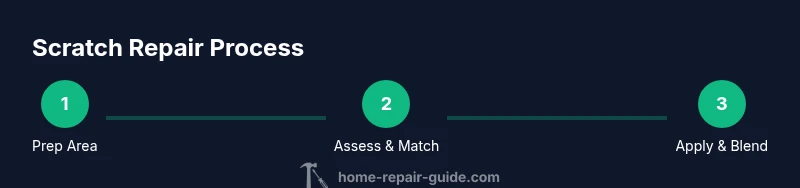
- 1
Prep the area
Wash the area thoroughly, dry completely, and wipe with isopropyl alcohol. Mask off surrounding paint to prevent accidental contact. This ensures a clean working surface and reduces risk of new damage.
Tip: Use a soft cloth and work in a shaded, dust-free space. - 2
Test scratch depth
Perform a fingernail test to determine if the scratch is in the clear coat or deeper. If your nail catches, expect deeper repair needs.
Tip: Document the scratch with a photo for color matching reference. - 3
Apply paint or filler in thin layers
Apply color-matched touch-up paint in light coats, letting each layer dry fully. Build up gradually until the scratch is level with the surrounding surface.
Tip: Keep layers extremely thin to avoid pooling. - 4
Blending and color matching
Gently blend the repaired area into adjacent paint using a fine brush or applicator. Check the color under different lighting and adjust with subsequent thin layers if necessary.
Tip: Work slowly; overbuilding can create a noticeable edge. - 5
Seal with clear coat (if advised)
Apply a clear coat in light, even passes to protect the repair and restore gloss. Allow proper curing time before handling.
Tip: Avoid humidity spikes during curing; follow product timing. - 6
Final polish and evaluation
Polish the area with a finishing compound to restore uniform gloss. Inspect from multiple angles and ensure the repaired spot blends with the surrounding finish.
Tip: If mismatch persists, consider a professional evaluation.
FAQ
What is the depth of scratches that can be fixed at home?
Light surface scratches can often be improved with polishing and color-matched touch-up products. Deeper gouges may require professional repainting.
Light scratches can be improved at home; deeper ones usually need a pro.
Do I need professional tools to fix automotive scratches?
Most DIY repairs use consumer-grade products. Specialized tools can help, but are not strictly necessary for simple scratches.
You can start with basic supplies; pro tools are optional.
How long does it take to see results?
Results are visible after polishing or filling steps, with full cure times depending on product and environment.
You’ll see improvements right away after polishing; full cure may take a day.
Can I fix color-matched scratches without repainting?
Color-matched touch-up paints can hide many scratches; blending is essential for non-distinct finish.
Color-matched touch-ups can hide scratches, but blending is key.
What safety precautions should I follow?
Wear eye protection and a mask; work in a well-ventilated area and avoid inhaling fumes.
Wear protection and ensure good ventilation.
When should I call a pro instead of DIY?
If the scratch is deep, runs across curves, or affects metallic finishes, a pro will typically deliver a more durable, color-accurate result.
Deep or metallic finishes usually benefit from a pro repair.
Watch Video
Key Takeaways
- Assess depth before choosing a method
- Start with light, thin applications
- Blending is key for a natural look
- Seal and protect to extend the repair
- Know when to seek professional help