Auto Body Repair: A Practical DIY Guide for Homeowners
Master practical auto body repair with dent removal, prep, paint, and finishing tips. This guide covers essential tools, safety, and durable DIY techniques for homeowners.


You will learn how to repair minor auto body damage at home, including dent removal, sanding, priming, painting, and finishing. This guide covers safety, tool selection, surface prep, and finishing techniques to help you achieve durable, showroom-like results. For severe structural damage or frame issues, professional help is recommended to ensure safety and warranty compliance.
Overview of Auto Body Repair
Auto body repair encompasses restoring a vehicle’s exterior after dents, scratches, rust, or fading paint. The process aims to bring the panel back to its factory shape and finish while preserving structural safety and resale value. According to Home Repair Guide, starting with a clear plan and the right sequence reduces rework and yields better results. The Home Repair Guide team found that patient, methodical repairs, even on older vehicles, produce durable outcomes when you stick to proper techniques and safe practices. In this section, you’ll learn the common types of damage, how they differ, and what a well-scoped project looks like. Expect to work on dented panels, scratched clear coats, rust spots, and paint imperfections with a mix of hands-on techniques and low-cost tools. The goal is functional restoration with a professional-like finish without replacing entire panels.
Types of Damage and Their Impact
- Dents: Surface deformations that may be shallow or deep. Many dents respond to paintless dent repair (PDR) if the metal isn’t stretched. For deeper dents, you may need body filler and sanding.
- Scratches: Surface abrasions that expose primer or metal. Fine scratches usually respond to polishing; deeper scratches require filler, primer, and paint.
- Rust: Pitting that can spread if not treated. Rust often requires rust converter, sanding, and sometimes patch work on the affected area.
- Fading and peel: UV damage can dull color and clear coat. Repainting or spot refinishing can restore depth and gloss.
The key is to accurately assess damage before choosing a method. Minor issues can be tackled with DIY methods, while significant structural damage often requires pro-grade tools and experience. Surface prep, proper masking, and color matching are essential to a seamless repair.
Safety and Prep Considerations
Before you touch the vehicle, ensure you have a clean, well-lit workspace, appropriate ventilation, and PPE (gloves, eye protection, and a respirator for solvents). Read material safety data sheets for paints and solvents, and keep a fire extinguisher nearby when using spray cans or heat tools. Proper scuffing, masking, and surface cleaning help prevent paint defects and ensure adhesion. If you’re repairing near airbags or structural components, stop and consult a professional. This block sets the stage for choosing the right approach and understanding the scale of the project.
Tools and Materials to Have On Hand
A complete repair starts with the right toolkit. You’ll need dent-removal tools, sanding blocks or a dual-action sander, body filler, spreaders, putty knives, masking tape, primers, basecoat paints matched to your vehicle, clear coats, polishing compounds, microfiber towels, and a spray gun or spray cans. Safety gear—gloves, goggles, and a respirator—is non-negotiable when working with paints and solvents. Keep a waste container, rags, and a dedicated workspace that’s free of dust. This section will outline each item’s role and how to choose the right grade or size.
Step-by-Step: Fixing Minor Dents with Paintless Dent Repair (PDR)
Paintless dent repair uses specialized tools to massage the metal back toward its original contour without removing paint. This method is ideal for shallow dents with intact paint. Start by lubricating the dent with a wax or resin to reduce scratching. Use a dent rod and tapping techniques to ease the metal outward from behind the panel, checking progress frequently with a light source to see the shadows of the dent disappear. If the dent is stubborn, try a supportive pull from the exterior using a dolly or glue puller, but avoid excessive force that could stretch the metal. Once the dent is minimized, perform a careful polish to restore the surface. This approach preserves factory paint and yields a seamless finish when done correctly.
Step-by-Step: Filling and Repainting a Small Panel
For dents that stretch or crack the paint, you’ll often need body filler, sandpaper, primer, paint, and clear coat. Start by sanding the area to remove loose paint and create a rough surface for adhesion. Apply a thin layer of filler, allow it to cure, and sand it smooth flush with the surrounding surface. Mask the area precisely to avoid overspray. Apply a primer coat, then color-match basecoat. Finish with multiple thin clear coats, allowing adequate cure time between layers. Blend the edges with surrounding paint for a seamless transition. If color matching proves difficult, consider a professional color match service to avoid mismatched tones.
Step-by-Step: Finishing and Color Matching
Color matching is the trickiest part of DIY auto body work. Use a paint brand that offers a pigment library, and verify under bright lighting conditions and natural daylight. Apply thin coats and test on a small, inconspicuous area before proceeding to the entire panel. Clear coating protects the color and adds gloss; apply evenly in multiple light coats rather than one heavy layer to minimize runs. After curing, polish the surface to remove micro-mist and restore gloss. Proper blending is essential to avoid visible borders where the new paint meets the old finish.
Step-by-Step: Final Polishing and Inspection
After the clear coat cures, inspect for dust nibs, orange-peel, or uneven gloss. Use an 800–1500 grit polish then finish with a foam pad to achieve a mirror-like shine. Inspect under different lighting and angles to catch any imperfections. If you notice a mismatch or rough patch, you may need to re-sand lightly and recoat. Routine washing and wax can help seal the finish and preserve the repair. This final step gives you confidence that the repair looks consistent with the rest of the vehicle.
How to Evaluate Longevity and Condition After Repair
Check the repaired area for adhesion, color consistency, and gloss level. A successful repair should resist chipping and maintain a smooth, even surface over time. Keep in mind that DIY repairs may not fully replicate factory finishes on complex colors or textures. If you observe peeling, cracking, or rust progression in the weeks following the repair, consider resealing or seeking a professional evaluation.
Safety Warnings and Final Notes
Always work in a well-ventilated area and wear proper PPE. Solvents can be flammable and toxic; store them in approved containers away from heat. If you’re unsure about structural damage or airbag systems, stop and consult a professional. Proper disposal of paint scraps and used solvents should follow local regulations. Take your time, test on small areas, and avoid rushing to prevent costly mistakes.
Tools & Materials
- Dent removal tool kit (puller/dolly set)(Choose a kit with a variety of pullers and dollies for different panel curves)
- Dual-action sander or sanding blocks(Start with 180-320 grit for body filler; finish with 400-600 grit before primer)
- Body filler (bondo) and spreaders(Mix to a smooth consistency; apply thin coats and sand flush)
- Primer, basecoat paint matched to vehicle color, and clear coat(Obtain color-matched basecoat using a professional shade card or paint code)
- Masking tape and masking film(Protect adjacent panels and trim from overspray)
- Solvents and reducers(Used for cleanup and thinning; ensure compatibility with paint system)
- Polishing compounds and microfiber towels(Finish with glaze or polish to restore gloss)
- Spray gun or clean spray cans(Choose equipment suitable for the paint system you’re using)
- Safety gear (gloves, goggles, respirator with organic vapor filter)(Protect against dust, fumes, and skin contact with solvents)
- Rags and disposal container(Keep waste sealed and dispose of solvent-soaked rags per local rules)
Steps
Estimated time: 2-6 hours
- 1
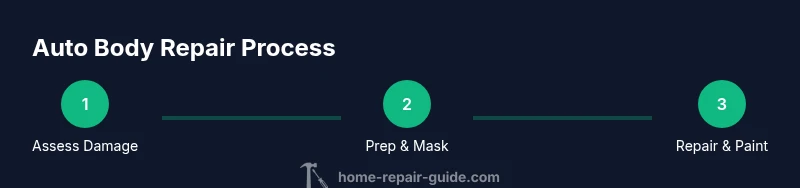
Assess damage and plan
Inspect the damaged area from multiple angles to determine if PDR is viable, or if filler and repaint are needed. Create a written plan listing each task, tools required, and the order of operations. This prevents backtracking and ensures you allocate time effectively.
Tip: Document the damage with photos for color matching and future reference. - 2
Prepare area and safety gear
Set up a clean, well-ventilated workspace. Put on a respirator, gloves, and eye protection. Protect surrounding panels with masking tape and film before any sanding, filling, or painting.
Tip: Keep a dedicated waste container close by for solvents and used rags. - 3
Perform dent repair or mark area for filler
If using PDR, massage the metal from behind and monitor the result with oblique lighting. If the dent requires filler, sand the area to remove paint and create a key for adhesion.
Tip: Avoid overworking the metal; excessive force can stretch the panel and complicate repair. - 4
Apply filler and sand flush
Mix and apply body filler in thin coats, letting each cure before sanding. Sand with a progression from rough to fine grits to achieve a smooth, even surface flush with surrounding panels.
Tip: Wipe the area with a tack cloth between grits to remove dust. - 5
Mask, prime, and color-match
Mask the repair area precisely. Apply primer in light, even coats and allow adequate drying. Apply basecoat in thin, even layers, testing color match against the surrounding paint in natural light.
Tip: Always test color on an inconspicuous area before proceeding. - 6
Clear coat and final finish
Apply multiple thin layers of clear coat for durability and depth. Allow cure time between coats and handle the panel gently to avoid marring the finish.
Tip: Avoid polishing too early; premature handling can ruin the finish. - 7
Cure, inspect, and polish
Let the finish cure fully before washing or polishing. Inspect under different lighting for uniform gloss and color. Polish with a fine compound to remove micro-scratches and restore shine.
Tip: Use a soft foam pad and avoid aggressive pressure on the new paint.
FAQ
What is auto body repair?
Auto body repair involves fixing damage to a vehicle’s exterior, including dents, scratches, rust, and paint chips. It ranges from cosmetic touch-ups to full panel repair, depending on the severity. The goal is to restore aesthetics while preserving structural safety and function.
Auto body repair fixes dents, scratches, and paint issues on a car’s exterior, from cosmetic touch-ups to full panel work, aiming to restore look and safety.
Can I repair dents myself at home?
Small dents can often be addressed with paintless dent repair or basic filling and repainting. More complex dents or rust require specialized tools and experience. If you’re unsure about the damage, consider a professional assessment to avoid causing further harm.
Small dents might be DIY-ready with paintless methods or basic filler, but bigger issues may need a pro.
Do I need special tools to fix scratches?
Fixing scratches typically involves sanding, filler for deep scratches, primer, and matching paint. A basic sanding block, masking materials, and a spray system or touch-up pens can handle many shallow but medium-depth scratches. Deep structural scratches may require a pro finish.
Scratches usually need sanding, filler or primer, matching paint, and a clear coat; basic tools usually suffice for mild cases.
How long does a typical DIY paint job take?
A straightforward touch-up and clear coat can take several hours from prep to cure, depending on the panel size and drying conditions. More extensive panel repainting may take longer due to multiple coats and careful color matching. Plan for several sessions if you’re new to the process.
Expect several hours for a simple paint job, longer for a full panel repaint with drying times.
Is color matching guaranteed?
Color matching is never guaranteed when DIYing, especially on older paints or unique finishes. Using the vehicle’s color code and testing in various light helps, and some finishes may require professional equipment to perfect.
Color matching can be tricky; use the color code and test under different lights, but perfection isn’t guaranteed.
Watch Video
Key Takeaways
- Assess damage carefully before starting.
- Use proper shading and masking for paint matching.
- Drying and curing times matter for durability.
- Safety gear is essential for solvent exposure.