Glass Repair on Car: A Practical How-To Guide
Learn how to assess, repair, and safely restore car glass. This comprehensive guide covers DIY fixes for minor windshield chips, when to replace, safety steps, and maintenance to extend glass life.


According to Home Repair Guide, glass repair on car usually involves evaluating minor windshield chips or cracks and deciding between a DIY resin fix or professional service. You will learn how to assess damage, choose a repair or replacement approach, and follow safe, practical steps for a durable result. If damage affects visibility or is spreading, seek professional help. Prioritize safe materials and proper technique.
Understanding automotive glass types and damage types
Glass in vehicles is not uniform. The windshield is typically laminated glass designed to hold together on impact, while side and rear windows are usually tempered glass that shatters into small, blunt pieces for safety. When you encounter damage, the first distinction you should make is between a chip, a bullseye crack, a straight crack, and a combination break. These patterns influence repair feasibility and safety considerations. In the context of glass repair on car, recognizing the glass type and damage pattern helps you decide whether a resin-based fix is appropriate, or whether replacement is the safer route. Laminated windshields also support ADAS (advanced driver-assistance systems) calibration after service, so plan for a potential sensor recalibration if you replace the glass. The Home Repair Guide team emphasizes that assessing the extent of damage, proximity to the edge, and impact on visibility are critical before you begin any repair work. Remember that safety comes first; if the crack is growing or directly in the driver’s line of sight, professional evaluation is recommended. The goal is to stabilize the damage and restore clarity without compromising the vehicle’s safety features.
When to DIY vs when to call a pro
DIY fixes can be tempting for small chips, but not all damage is suitable for home repair. A practical guideline is to attempt a resin repair only if the damage is isolated, not expanding, and away from the windshield edge or camera zones. If the crack compromises the glass core, reaches the edge, or affects visibility, it’s time to seek professional service and replacement. The Home Repair Guide analysis notes that DIY repairs may save money upfront but can lead to higher costs later if the crack worsens or adversely affects ADAS calibration or airbag sensor alignment. Always confirm your insurance policy’s glass coverage—some plans reimburse DIY repairs when the kit is approved, while others require professional service for a claim. For vehicles with critical safety systems or older glass assemblies, professional evaluation is generally prudent. This is especially true for vehicles with multiple layers or embedded sensors that can be difficult to replicate at home.
Tools and safety gear you need
A proper repair starts with having the right tools and safe practices on hand. Essential items include an automotive glass resin repair kit designed for windshield use, a UV curing source (sunlight can work in a pinch), a plastic spreader, a razor blade for leveling cured resin, microfiber towels, and isopropyl alcohol for surface cleaning. Optional tools include masking tape to define the repair area, suction cups or clamps to hold components, and eye protection. PPE is critical: gloves protect your hands from resin and solvents, a long-sleeve shirt reduces skin exposure, and a mask helps if you’re cleaning dust. Work in a well-lit, calm space free of children and pets. Use kits that specify compatibility with automotive glass and follow the manufacturer’s curing times to avoid under- or over-curing. Finally, check local regulations; some areas require professional service for certain damage levels, so be prepared to switch to pro help if needed.
Step-by-step: DIY resin repair for minor chips
This section provides a structured, action-oriented approach to repairing minor chips at home. Step 1: Inspect the chip to confirm it’s a tiny, localized imperfection and not a spread crack. If unsure, pause and consult a professional. Step 2: Prepare your workspace, lay down a protective sheet, and mask surrounding glass to prevent resin from spreading. Step 3: Clean the area with isopropyl alcohol and dry completely. Step 4: Apply a small amount of resin into the chip and gently push into the voids, avoiding air pockets. Step 5: Use the curing light or daylight to cure as directed by your kit, typically minutes to a few hours. Step 6: Remove excess resin with a razor and polish until the surface returns to a smooth, clear finish. Step 7: Reassess the repair for clarity and structural integrity; avoid driving long distances until you confirm the repair holds. Tip: Protect the cured area from rapid temperature changes during curing to minimize micro-cracking. Note: This is a cosmetic and preventative repair; if the crack reappears or grows, seek professional help.
Step-by-step: Windshield replacement considerations
For larger cracks, edge cracks, or damage that impairs visibility, replacement is often the safer choice. Professionals remove the old glass, prepare the frame, install with high-strength urethane adhesive, and recalibrate ADAS sensors after installation. Do not attempt to push a new windshield into place yourself; improper seating creates leaks and structural weaknesses. Insurance coverage for replacement varies, and most policies require professional installation for claim validity. Replacement generally takes longer than DIY repairs and may involve a temporary loss of vehicle usability. The Home Repair Guide team emphasizes the importance of proper bonding, sealant cure times, and post-install calibration to ensure the windshield maintains its protective role and sensor accuracy.
Maintenance and prevention to extend glass life
Preventive care can significantly extend the life of your car’s glass. Use a non-abrasive glass cleaner and a soft microfiber cloth to avoid micro-scratches. Park in shaded areas or use a windshield sunshade to mitigate thermal stress. Avoid rapid temperature changes—don’t pour hot water on a cold windshield or expose it to freezing spray immediately after washing. Regularly inspect for chips after trips on rough roads, and address minor damage early to prevent expansion. Protective coatings and sealants can help repel water and dirt, while routine maintenance works in conjunction with safe driving habits to reduce stress on the glass. The Home Repair Guide team reminds readers that documenting damage and repair history can help with insurance claims and resale value, and that professional evaluation remains essential for signs of structural compromise or ADAS calibration needs.
Troubleshooting common issues and myths
Common myths persist about car glass repair. A resin fix can improve appearance and slow crack growth but does not restore original glass strength. Large or edge cracks typically require replacement rather than repair. Some owners assume DIY repairs are always cheaper; while they can save money upfront, the risk of failure or miscalibration can lead to higher costs later. If a repair causes distortion, hazy patches, or new cracks during curing, stop and seek professional assistance. Myths aside, always consider insurance requirements, safety implications, and the vehicle’s use; safety-critical applications, fleet vehicles, and older cars often benefit from professional evaluation to ensure proper fit, bonding, and sensor calibration. The Home Repair Guide team reiterates that when in doubt, consult a certified auto glass technician for a definitive assessment and next steps.
Tools & Materials
- Automotive resin repair kit (windshield-specific)(Choose a kit designed for windshield glass with clear curing instructions)
- Isopropyl alcohol (70–99%)(Surface cleaning before repair; avoid residue)
- Microfiber towels(Lint-free for polishing and drying)
- Plastic spreader or resin applicator(Evenly distribute resin into the chip)
- Razor blade or utility blade(Level cured resin; use with care to avoid glass scratches)
- UV curing light or access to direct sun(Follow kit instructions for curing duration)
- Gloves and safety glasses(Personal protective equipment to protect skin and eyes)
- Mask (optional)(Use if dust or fumes are a concern)
- Masking tape(Protect surrounding glass during repair)
- Insurance information (if pursuing professional repair)(Have your policy ready in case of claims)
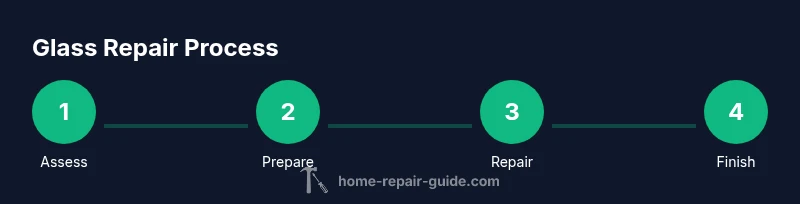
Steps
Estimated time: 1-2 hours for DIY steps, plus optional cure time per kit
- 1
Assess damage and feasibility
Carefully inspect the chip or crack to determine if a DIY resin repair is feasible. Look for cracks that are isolated, not spreading, and away from the edge or camera zones. If the damage is uncertain, consult a professional before starting to avoid making a repair that could fail under stress.
Tip: If the crack approaches the edge or affects visibility, stop and seek professional help. - 2
Prepare workspace and safety setup
Set up a clean, well-lit, stable workspace. Cover nearby surfaces, mask the repair area to limit resin spread, and ensure you’re wearing PPE. Clear the vehicle area and keep gloves, glasses, and all tools within reach.
Tip: Ensure the vehicle is cool and not exposed to direct sun during setup to prevent premature curing. - 3
Clean and dry the surface
Wipe the area around the chip with isopropyl alcohol to remove oils and debris. Dry thoroughly with a lint-free cloth before applying resin. Any moisture can create air gaps that weaken the repair.
Tip: If you see oil or film, repeat cleaning until the surface feels dry to the touch. - 4
Apply resin into the chip
Apply a small amount of resin into the chip, working from the inner part outward to fill voids. Avoid trapping air; if air pockets appear, gently push them out with the spreader. Keep the area level and steady during application.
Tip: Use minimal resin to avoid overflow once cured. - 5
Cure the resin
Cure according to the kit’s instructions, using a UV lamp or direct sunlight. Curing times vary; avoid moving or jarring the glass during this period. Check that resin has hardened evenly across the repair before proceeding.
Tip: Do not rush curing—inadequate cure can lead to hazy patches or re-cracking. - 6
Finish and evaluate the repair
Scrape excess cured resin with a razor blade and polish to restore clarity. Inspect for smoothness and transparency, ensuring there’s no residual haze. If distortion is visible or the chip reappears, consider professional assessment.
Tip: If the repair looks uneven, stop driving long distances until you’re sure it’s stable.
FAQ
What damage can be repaired with a DIY resin kit?
Minor chips and small surface cracks away from the driver’s line of sight are often suitable for resin repairs. If the crack is spreading or near the edge, professional replacement is recommended.
You can usually fix small chips away from the driver’s line of sight, but cracks that grow or touch the edge should be handled by a pro.
Can resin repair restore the original strength of the windshield?
Resin repairs improve appearance and can slow crack growth, but they do not restore the glass to its original strength. A failed repair may require replacement.
Resin makes the damage look better and can stop it from growing, but it doesn’t make the glass as strong as new.
When should I replace rather than repair?
Replace when cracks are long, multiple cracks exist, or damage interferes with visibility or ADAS. Edge cracks and damaged corners often require replacement.
If cracks are long or near edges or sensors, replacement is usually the safer option.
Will insurance cover DIY repairs?
Coverage varies by policy. Some insurers reimburse qualified repairs performed with approved kits; others require professional service for claims.
Check your policy; some insurers will cover DIY repairs if you follow approved procedures.
What maintenance helps prevent future damage?
Regularly inspect for chips, avoid rapid temperature changes, park in shade when possible, and use non-abrasive cleaners to protect glass.
Regular checks and careful cleaning can prevent small issues from becoming bigger problems.
Does windshield replacement require ADAS recalibration?
Yes, replacement often requires recalibration of ADAS sensors to maintain safety features. This is typically performed by the installer.
After replacement, ADAS sensors usually need recalibration to stay accurate.
Watch Video
Key Takeaways
- Assess damage before starting DIY repair
- Use the right windshield-specific resin kit
- Cure times are critical for durability
- Replace glass for edge cracks or safety-critical damage
- ADcS calibration may be needed after windshield work