When to Repair Windshield Chip: A Practical Guide
Learn how to assess a windshield chip, decide when to repair, and safely navigate DIY vs professional options. Practical steps, timing tips, and insurance considerations from Home Repair Guide.


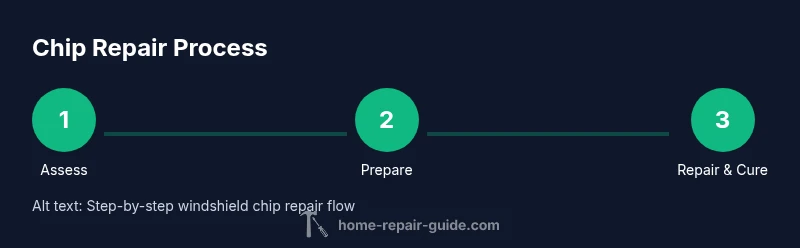
Goal: determine if a windshield chip can be repaired safely and, if so, perform basic prep before booking a professional service. You’ll assess chip size, depth, and location relative to edges, ensure the surface is clean and dry, and avoid pressure or heat. If the crack propagates or the chip is near a corner, seek professional repair immediately.
Understanding Chip Severity and Timing
A windshield chip is a minor imperfection in the glass caused by an impact from a rock, gravel, or debris. The timing of when to repair windshield chip is a practical decision that blends safety and economy. Small, isolated chips that do not extend toward the edge of the glass can often be stabilized with resin repairs, which restore visibility and slow or halt propagation. Larger chips, spider cracks, or chips near the edge pose a higher risk of spalling into a full crack under stress and temperature changes, which would necessitate replacement instead of a simple repair. The Home Repair Guide team emphasizes that timely evaluation is essential: addressing a chip promptly can preserve integrity and reduce the likelihood of long-term costs. When you encounter a chip, consider whether it is still small and isolated, whether the surface is dry and clean, and whether weather or driving conditions could worsen the damage. The guiding question remains the same: when to repair windshield chip in a way that preserves safety and clarity on the road.
Key Factors That Influence Timing
Several factors determine the best moment to address a windshield chip. Chip size and shape are primary: a tiny, localized flaw is far more amenable to resin repair than a broad, spreading crack. Depth matters too—deeper chips have stronger potential to propagate with heat, cold, or rapid changes in temperature. Location is critical: chips that sit close to the edge of the pane or in the path of wipers are more prone to fracture with normal driving stresses. Weather and driving conditions influence timing as well; extreme cold or heat can cause glass to flex, making a DIY repair less reliable and a professional evaluation more urgent. Finally, your driving patterns matter: frequent highway speeds, heavy traffic, and rough roads increase vibration and stress on the glass. Taken together, these factors help answer the question of when to repair windshield chip by highlighting the risk of delaying action and the feasibility of a DIY fix in specific scenarios.
DIY Quick Fixes You Can Do Safely
If you’re considering a DIY approach, start with safety and surface preparation. Gently clean the area with a mild glass cleaner or isopropyl alcohol to remove dirt and oils, then dry completely. Avoid applying heat, direct sunlight, or pressure to the area, as these can worsen microcracks. A resin-based repair kit can stabilize a small, shallow chip, but only if the chip is not near the edge and does not have growing cracks. Use masking tape to create a clean edge if you plan to cure resin and protect surrounding glass. Do not attempt to fill deep cracks or use home remedies that suggest sealing with super glue or epoxy; these can permanently impair visibility and compromise the windshield. If you notice any spread while you work, stop and seek professional advice. Remember, the aim is to stabilize the chip, not create new problems.
The Repair Process: What a Technician Does
Professional windshield repair typically involves cleaning the chip, inserting a resin injector to fill the void, and curing the resin under UV light or a specialized lamp. The resin bonds with the glass, restoring clarity and structural integrity. After curing, technicians often polish the surface to be flush with surrounding glass and ensure the repair is optically clear. In some cases, a technician will apply a surface seal or recoat the windshield to protect against future damage. The process is designed to prevent tiny fissures from expanding and to extend the windshield’s life. If the damage exceeds the repair’s limitations, a replacement may be recommended. Keeping the surface clean and dry during curing is essential for a strong bond. If you’re unsure about the chip’s suitability for repair, a quick assessment by a trained technician is worth the cost to avoid later replacement costs.
When to Seek Immediate Help
Certain scenarios demand urgent professional attention. If the chip is expanding rapidly after exposure to sun, heat, or cold, or if you notice a visible crack running from the chip toward the edge, stop DIY efforts and schedule a repair appointment. Cracks that appear after a high-velocity impact or that form behind wipers may indicate more extensive internal damage that compromises safety. If the chip is directly in the driver’s line of sight or within the critical field of view, seek a professional assessment promptly to ensure safe visibility. In these situations, a pro can accurately assess the glass’s structural integrity and determine whether a repair or replacement is required. The key is not to wait, as delayed action can lead to more extensive damage and higher costs later.
Weather and Environment Considerations
Temperature and humidity influence how well a windshield chip repair bonds. Extremely cold or hot conditions can cause the glass to contract or expand, stressing the repair area. Ideally, repair work should occur in moderate, dry conditions with stable temperatures. If you must repair in less-than-ideal weather, be mindful that curing times may lengthen or result in a suboptimal bond, increasing the chance of future cracking. A shaded, clean workspace helps prevent rapid drying and dust inclusion. If you notice condensation or moisture during the repair, pause and dry the surface thoroughly before continuing. Weather awareness helps ensure the repair remains durable over time.
Insurance, Warranties, and Scheduling
Many auto insurance policies provide coverage for windshield repairs with low or no deductible, especially when the damage is minor and repairable. Before booking a service, check whether your policy covers repairs and whether there are any limitations or claims consequences. Some shops offer warranties on their repairs, which can provide peace of mind if a rework is needed. When scheduling, consider your calendar and travel time to the shop, as well as the driver’s visibility requirements—if the windshield needs curing time, you may want to arrange a temporary alternate transport. Understanding coverage and warranties helps you weigh the cost-benefit of a repair versus replacement and contributes to a timely, informed decision. Home Repair Guide’s guidance emphasizes checking policy details and shop warranties to avoid surprises later.
Prevention and Long-Term Care
To extend the life of a windshield after a chip repair, avoid rapid temperature changes, minimize road debris exposure, and use proper wiper blades to prevent additional micro-scratches. Regularly inspect the repaired area for any signs of propagation and schedule periodic check-ins with a trusted auto-glass professional. Maintaining a weatherproof seal around door frames and windshield edges can help reduce stress on the glass. While chips cannot be guaranteed against future damage, proactive care and timely repairs significantly lower the risk of larger, costlier problems. The goal is clear: keep your windshield in good condition, preserve visibility, and maintain safety for all occupants.
Authority Sources and Next Steps
For authoritative guidance on windshield safety and repair standards, consult official sources and trusted publications. The National Highway Traffic Safety Administration provides regulatory context and safety recommendations for windshields. Industry studies and independent safety organizations offer insights into repair effectiveness and long-term outcomes. Always verify current guidelines with your local regulations and a qualified technician before proceeding. A cautious, informed approach helps you make the right decision for your vehicle and safety on the road.
Choosing a Repair Shop: Quick Checklist
When selecting a shop, verify technicians are certified, inquire about the repair method and warranty, and request before-and-after photos if available. Ask about curing times and whether any guarantees apply if future cracking occurs. A transparent shop will provide a written assessment, explain the expected results, and offer a clear timeline. If the shop recommends replacement, seek a second opinion to compare costs and considerations. The objective is to secure a reliable repair that restores visibility and structural integrity without unnecessary expense.
Tools & Materials
- Windshield repair kit (resin kit)(Choose a kit with resin designed for windshield chips)
- Soft cloth or microfiber towel(Lint-free, for cleaning and buffing)
- Rubbing alcohol or glass cleaner(For surface cleaning)
- Masking tape(To create a clean edge while curing)
- Plastic spreader or blade(For resin application)
- Safety glasses and gloves(Protection from resin and shards)
Steps
Estimated time: 30-60 minutes
- 1
Inspect the chip
Visually assess whether the chip is small and isolated, not near any edge, and not accompanied by a spreading crack. Determine if the chip appears to be reasonably shallow and not widening with temperature changes. A quick look helps decide if DIY repair is plausible or if professional evaluation is needed.
Tip: If you see any crack extending toward the edge, skip DIY and seek a pro. - 2
Clean and dry the area
Gently remove dirt, oil, and moisture from the area around the chip using glass cleaner or isopropyl alcohol. Dry completely with a microfiber towel before applying any resin. A clean surface improves resin adhesion and reduces the risk of trapped debris.
Tip: Do not scrub aggressively; micro-scratches can worsen the area. - 3
Prepare the area for resin
If available, place masking tape around the chip to prevent adhesive spread during curing. This helps keep the surrounding glass pristine and makes cleaning after the repair easier. Ensure the tape remains dry and free of dust.
Tip: Keep the chip edge oriented away from direct sun to avoid rapid curing. - 4
Apply resin and fill
Follow the repair kit instructions to apply resin into the chip, using the injector or applicator provided. Fill the void without overfilling; the goal is to level the resin with the glass surface. Do not touch the resin while it is curing.
Tip: Work slowly and evenly to avoid air bubbles. - 5
Cure the resin
Allow the resin to cure according to the kit’s guidelines, typically using ambient light or a UV source. Avoid moving the glass during curing. A proper cure is essential for structural stability and optical clarity.
Tip: Do not wash the area or expose it to heat during curing. - 6
Finish and polish
Once cured, gently remove masking tape and polish the repaired area to achieve a smooth, glass-like surface. Inspect the repair for any remaining cloudiness or pits and reapply resin if directed by the kit’s instructions.
Tip: If the surface remains hazy, seek professional advice to restore visibility. - 7
Evaluate the result
Check for visible distortion, haze, or refractive glare. If visibility is compromised or the chip shows signs of propagation, stop and consult a pro for a more permanent fix.
Tip: Keep the car parked in shade until you’re confident in the repair.
FAQ
Can I repair a windshield chip myself?
Yes, small, isolated chips away from the edge may be repaired with an at-home resin kit. However, DIY repairs require careful surface preparation and adherence to kit instructions. If the chip is near an edge, deep, or spreading, a professional repair is recommended.
DIY repairs can work for small chips away from the edge, but if you’re unsure, a professional assessment is safer.
Will a DIY repair prevent future cracking?
A DIY repair can stabilize the chip temporarily, reducing visibility and slowing propagation in some cases. It may not prevent all future cracking, especially under stress or temperature changes. A professional inspection often provides a more durable solution.
DIY repair can help now, but it might not stop future cracks under stress. Consider a pro if you’re unsure.
What counts as a chip near the edge?
Chips located near the edge or within the driver’s field of vision require caution. The edge area is more prone to cracking as the glass flexes during driving and temperature shifts. If the chip touches or is close to the edge, seek a professional evaluation.
Chips close to the edge are riskier and often need a pro.
How long does a windshield repair take?
Most repairs take under an hour, including assessment, preparation, resin application, and curing. Some repairs may require longer curing times or follow-up checks. Plan for a window of time rather than a fixed appointment.
Most repairs finish in under an hour, but curing time can vary.
Should I replace the windshield after a chip?
If the chip is large, or if cracks are spreading or near critical areas, replacement is often recommended. Repairs are best for small, isolated chips without edge proximity. A professional assessment will clarify the best long-term option.
Replacement is sometimes the safer long-term choice for larger or spreading damage.
Watch Video
Key Takeaways
- Assess chip severity before repair
- DIY repairs suit small, edge-free chips only
- Professional repair preserves safety and value
- Weather and surface cleanliness impact durability