How to Prevent Fixes: A Practical Home Maintenance Guide
Learn how to prevent fix needs in your home with a proactive maintenance plan, practical routines, and safety tips from Home Repair Guide. Covering plumbing, electrical, HVAC, and exterior care, this step-by-step guide helps you tailor a durable prevention strategy.


This guide shows you how to prevent fix needs before they happen by building a simple, repeatable maintenance routine. You’ll learn to map risk, schedule checks, and use the right tools to keep critical systems running smoothly. Start with a quick audit, then expand your plan as you gain confidence and experience.
Why prevention matters
Prevention is the backbone of a durable, safe, and cost-effective home. If you’re wondering how to prevent fix headaches, the answer is preventive maintenance: predictable routines that catch issues before they escalate. The goal isn’t perfection but reliability—catching wear early, using the right materials, and keeping clear records. According to Home Repair Guide, proactive maintenance saves homeowners time and stress by avoiding emergency repairs. This article outlines a practical approach you can fit into a busy schedule. We’ll cover leaks, drafts, electrical safety, and appliance care so you have a cohesive plan rather than a string of ad-hoc fixes. By treating maintenance as a routine, not a one-off task, you’ll reduce the odds that small problems become costly repairs. The core idea is simple: schedule, perform, and adjust as you learn what’s most vulnerable in your home.
Assessing risk in your home
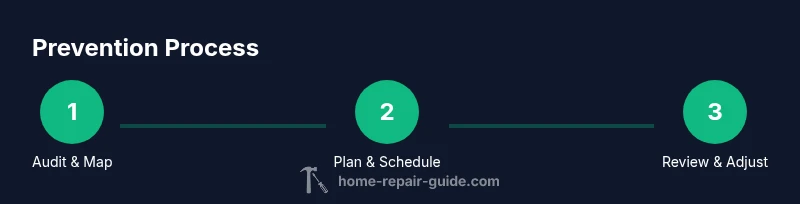
A reliable prevention program starts with a risk map of your house. List major systems (plumbing, electrical, HVAC, roof, windows, appliances) and note age, previous repairs, and visible signs of wear. Look for patterns such as moisture near fixtures, drafty seams, or clogged vents—these are red flags. For the Home Repair Guide approach, categorize items as high, medium, or low risk. High-risk areas get scheduled inspections every season; medium-risk areas quarterly; low-risk areas annually. During this audit, inspect for rust, corrosion, frayed cables, and unusual noises or smells. Document findings in a notebook or digital file, including the room, location, date, and action taken. Then rank each item by potential impact (water damage, fire risk, or energy waste) to prioritize your workload. Regularly review and adjust your risk map as equipment ages or your climate changes. The goal is a living document you can reference when planning budgets and tasks. Home Repair Guide analysis shows that regular upkeep reduces unexpected breakdowns and prolongs system life.
Build a preventive maintenance calendar
Turn risk into a concrete calendar. Create seasonal checklists (spring, summer, fall, winter) and a yearly deep-dive. For each item, assign a responsible person, a due date, and a simple test or task. Example: test smoke detectors in January; clear lint from the dryer vent in March; inspect attic roofing and seal gaps before winter storms in October. Use reminders on your phone or calendar that recur annually or quarterly. Keep a log of completed tasks and any notes about performance or parts replaced. Revisit the calendar after major weather events or after a major repair to adjust timing. A well-maintained calendar turns preventive work into a habit, not a back-of-mind intention. The Home Repair Guide approach emphasizes consistency and scalability—start small, then expand as you gain confidence.
Plumbing and water systems: keep leaks at bay
Water leaks are among the most common and damaging prevention targets. Start with basic inspections: check under sinks for dampness, look at supply lines for corrosion, and test for hidden leaks with dye in the toilet tank or a handheld meter. Replace worn washers and gaskets before leaks turn into flooding. Ensure shut-off valves are accessible and labeled, and know how to shut off water to the whole house if needed. Install or retrofit water-efficient fixtures to reduce stress on pipes and minimize pressure fluctuations. Keep cleaners away from metal fittings; use non-corrosive cleaners for soap scum buildup. The goal is early detection, immediate action, and a plan to address leaks without major disruption. Home Repair Guide analysis notes that a small leak caught early costs far less than water damage repairs.
Electrical safety and reliability
Electrical systems require careful maintenance to prevent shocks, fires, and outages. Start with a safety-first approach: never work on live circuits; always switch off breakers before inspecting outlets or panels. Test outlets with a tester; replace damaged covers; ensure GFCI outlets in kitchens and bathrooms function properly. Replace or tighten loose connections and clean corrosion from terminals with approved products. Schedule a qualified electrician for any signs of arcing, buzzing, or warm outlets. Use high-quality surge protection for valuable electronics. The aim is to maintain safe, reliable power distribution while avoiding unexpected outages that force a larger fix.
HVAC, appliances, and filters
HVAC efficiency and appliance reliability depend on clean filters, proper airflow, and timely part replacements. Change air filters every 1–3 months depending on usage and allergen exposure. Inspect ducts for obvious leaks or obstructions and ensure vents are not blocked by furniture. Schedule annual professional service for your furnace or heat pump, and for air conditioning units before peak seasons. Clean the condenser coils and clear debris around outdoor units. Check appliance seals and door latches on refrigerators, dishwashers, and washing machines, replacing worn gaskets as needed. Keep the interior temperature and humidity balanced to reduce stress on cooling and heating components. The preventive mindset here reduces energy waste and extends life by avoiding excessive strain.
Exterior maintenance and weatherproofing
Exterior maintenance protects the home envelope from weather, pests, and moisture. Inspect roofing shingles for curling or missing pieces; clean gutters and downspouts; seal flashing around chimneys and vents. Check window and door weatherstripping and replace worn seals to minimize drafts and water intrusion. Re-seal decks and siding where needed and clear vegetation that can trap moisture or cause damage. Ensure proper drainage away from foundations and correct any slope issues that trap water near your basement. Seasonal tasks like caulking windows, sealing door thresholds, and applying weatherstripping are simple, high-impact steps you can perform with basic tools. A small upfront effort on the exterior saves costly interior repairs later.
Documenting and refining your plan
Documentation turns good intentions into repeatable results. Create a central file (digital or binder) with system maps, recent service dates, part numbers, warranties, and photos. Attach checklists to each room or zone and note changes in performance after each maintenance task. Review the record quarterly to identify patterns and adjust frequencies accordingly. If you find you’re consistently replacing the same small parts, consider upgrading to more durable components. This is also the stage to track costs and set a realistic budget for preventive work. The goal is clarity: everyone in the household knows what to do and when.
When to escalate to professionals and how to track outcomes
Some preventive tasks require licensed tradespeople or specialized equipment. If you encounter signs of major issues—persistent leaks, electrical faults, unexplained odors, or sudden changes in temperature—stop DIY work and call a professional. Document the issue, dates, parts inspected, and test results to guide the technician. Maintain a list of local service providers with contact information and service guarantees. After a professional visit, update your maintenance calendar and notes so the fix is integrated into future prevention. The Home Repair Guide team recommends using a staged approach: handle easy, safe tasks yourself, and rely on licensed pros for complex or hazardous repairs.
Tools & Materials
- Digital multimeter(for electrical checks)
- Leak detector(to locate hidden leaks)
- Caulk and weatherproofing sealant(silicone or acrylic for sealing gaps)
- Caulk gun(for precise sealant application)
- Safety gear (gloves, goggles)(protect during maintenance tasks)
- Replacement gasket kit(for appliances you service regularly)
Steps
Estimated time: Total time: 2-3 hours for initial audit; ongoing checks 1-2 hours per quarter.
- 1
Create a system inventory
Identify all major home systems and components. Note age, location, and last service date to establish a baseline.</br>Document any visible wear or unusual signs for later reference.
Tip: Take photos of panels, valves, and connections for reference. - 2
Assess risk by system
Evaluate each system's criticality and vulnerability. Classify as high, medium, or low risk to prioritize tasks.
Tip: Flag items near moisture, heat, or electrical sources first. - 3
Set maintenance intervals
Assign frequencies (monthly, quarterly, annually) based on risk and usage. Keep the plan simple and scalable.
Tip: Start with a basic calendar and expand as you gain confidence. - 4
Inspect plumbing connections
Check under sinks, around toilets, and near water heaters for dampness or corrosion. Tighten fittings gently if loose.
Tip: Keep shut-off valves accessible and labeled. - 5
Test electrical safety
Use a tester on outlets, inspect covers, and ensure GFCI outlets work. Schedule a licensed electrician for signs of arcing or heat.
Tip: Never work on live circuits; switch power off first. - 6
Clean HVAC and appliances
Change filters, inspect ducts, and clean outdoor units. Schedule annual professional service for HVAC equipment.
Tip: Keep outdoor units clear of debris and vegetation. - 7
Weatherproof exterior
Check seals around windows/doors, gutters, and roof edges. Re-seal as needed to prevent moisture intrusion.
Tip: Test door thresholds for proper weatherstripping. - 8
Document findings
Record tasks completed, dates, and any parts replaced. Update your maintenance calendar accordingly.
Tip: Keep a simple log so patterns emerge over time. - 9
Escalate when needed
Identify issues that require professional intervention and schedule promptly to avoid further damage.
Tip: Having a pre-vetted list of pros speeds up response.
FAQ
What is preventive maintenance in home repair?
Preventive maintenance is a planned set of tasks designed to prevent failures before they occur. It involves routine inspections, timely part replacements, and documentation to reduce the likelihood of emergencies.
Preventive maintenance is a planned routine to stop issues before they happen, using inspections, timely replacements, and notes.
How often should I inspect plumbing for leaks?
Inspect plumbing connections monthly for obvious signs of dampness and annually for a deeper system review. If you notice leaks, address them promptly to prevent water damage.
Check plumbing connections monthly, with a deeper review once a year. Address leaks promptly.
What are early warning signs of electrical problems?
Look for warm outlets, unusual buzzing, flickering lights, or tripped circuits. If you notice these signs, consult a licensed electrician to diagnose.
Warm outlets, buzzing, flickering lights, or frequent trips mean you should call an electrician.
Can DIY maintenance really reduce repair costs?
Many routine maintenance tasks can be done safely by homeowners with proper guidance and tools. For complex or hazardous tasks, hire qualified professionals.
Yes, simple maintenance can save money, but leave dangerous jobs to pros.
When should I replace a fixture instead of repairing it?
Consider replacement when repairs are frequent or when performance has degraded significantly and replacement offers better reliability.
If repairs keep coming or performance drops, replacement is often wiser.
Watch Video
Key Takeaways
- Create a living maintenance calendar for your home.
- Prioritize high-risk systems and seasonal checks.
- Document tasks, results, and costs for future planning.
- Know when to escalate to a licensed professional.