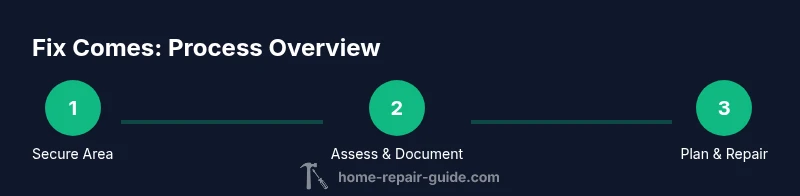
What to Do When Fix Comes: A Practical Home Guide
Learn what to do when fix comes with safety-first checks, temporary safeguards, information gathering, and durable repair planning. This Home Repair Guide tutorial helps homeowners and renters act confidently and avoid costly mistakes.


By following this guide, you will know exactly what to do when fix comes. You’ll identify urgent safety concerns, implement temporary safeguards, gather essential details for a durable repair, and decide whether to DIY or hire a professional. The goal is to minimize damage, protect household occupants, and lay out a practical plan for a lasting fix. This approach prioritizes safety, clear communication, and a realistic repair timeline.
Immediate safety checks after fix comes
According to Home Repair Guide, safety should always come first when a repair is needed. Start by stopping any ongoing activity if there is a potential hazard (slippery floors, exposed wiring, gas odors, or leaking water). If you detect a gas smell, an electrical shock risk, or if water is actively leaking, evacuate or isolate the area and call the appropriate emergency services before attempting a repair. Once the area is secure, document any hazards you observe and prepare to communicate them clearly to a technician. This foundational step protects occupants and prevents secondary damage, especially in kitchens, basements, and utility rooms where risks are highest. A calm, systematic approach also reduces the chance of rushing a risky fix later.
Quick assessment: categorize the issue
Next, categorize the issue so you can decide on immediate actions and plan for a more durable fix. Separate concerns into three broad groups: safety risks (gas, electrical shocks, structural instability), functional faults (a leaking faucet, a malfunctioning appliance, a blocked drain), and cosmetic or minor wear (dings, peeling paint, squeaks). For each category, note the first steps you can take without specialized tools. For example, turn off power to a malfunctioning outlet at the breaker if you’re trained to do so, or shut off the water supply valve to stop a leak. This staging helps you communicate scope to professionals and prevents misinterpretation of the problem.
Temporary fixes and safeguards
Temporary fixes buy you time while you plan for a proper repair. Use safe, reversible measures whenever possible. Examples include placing a bucket under a minor leak to catch water, using painter’s tape or temporary sealant on a small crack, or turning off the affected circuit and covering live outlets with a non-conductive shield. Do not rely on temporary fixes for major hazards. If an appliance or fixture is compromised, prioritize dry, controlled setup: move valuables away from the area, place towels or sandbags to minimize water damage, and use doorstops or wedges to limit access to the damaged area. Document all temporary patches for your records and future contractor review.
Gather information and plan the durable repair
Durable repairs require accurate information. Collect details such as model numbers, purchase receipts, photos from multiple angles, and a short video showing the issue in action. Record when the issue started, any recent changes (materials added, weather conditions, or nearby work), and what responses you’ve already tried. Create a simple, clear brief you can share with a contractor or appliance technician. This preparation reduces back-and-forth and helps you compare quotes more effectively. Planning should also include a reasonable budget range and a timeline that reflects your priorities (safety first, then functionality, then aesthetics).
How to communicate with your repair professional
Clear communication speeds up the repair process and reduces surprises. Start with a concise problem description, the steps you’ve already taken, and the outcome you expect. Ask for an itemized quote that separates parts, labor, and any potential add-ons; request timelines for each phase and clarify warranty terms. If you’ve requested temporary fixes, verify that the contractor will remove or replace them with a proper solution. Maintain a written record of all conversations, including emails and quotes, and confirm any changes in scope in writing. Finally, establish a preferred contact method and expected response times so you stay aligned throughout the project.
Creating a durable repair plan and budgeting
With information gathered, create a practical plan for a durable repair. Prioritize safety and reliability, then accuracy of restoration to original function. Compare multiple quotes, check contractor credentials, and verify licensing where required. Build a realistic budget that accounts for parts, labor, potential permits, and contingencies. Schedule the repair at a time that minimizes disruption to your household, and set milestones for completion and inspection. A well-documented plan helps you hold professionals accountable and reduces the likelihood of recurring problems.
Tools & Materials
- Safety gear (gloves, goggles, closed-toe shoes)(Insist on non-slip gloves and impact-rated eye protection for potential hazards)
- Voltage tester(Non-contact tester is fine for quick checks; always verify with proper procedures)
- Adjustable wrench(Common sizes 6-14 inches; have a solid grip and adjustable jaws)
- Screwdrivers (Phillips and flat-head)(Magnetic tips help prevent dropped screws)
- Bucket, towels, and absorbent materials(Contain and clean up minor leaks to prevent water damage)
- Flashlight or headlamp(Keep hands free for critical tasks in dim areas)
- Notebook and smartphone for documentation(Capture photos, timelines, and conversations with pros)
- Sealant or temporary patch materials(Only for small, reversible fixes; not a substitute for professional repair)
Steps
Estimated time: 60-120 minutes for initial checks and documentation; additional time for durable repairs varies by scope
- 1
Stop and secure the area
Immediately assess for hazards. If there’s gas, water, or live electricity, evacuate nearby rooms and call emergency services if needed. Once safe, lock off the area to prevent accidental exposure or injury.
Tip: Document the scene with photos before you start any fixes. - 2
Turn off affected systems
Shut off power to the affected circuit or device, shut the water supply to leaks, or seal a damaged gas line if you’re trained to handle it. Don’t rely on a single stop-gap; ensure utilities are isolated.
Tip: Use a labeled breaker or valve to prevent accidental reactivation. - 3
Make a quick temporary safeguard
Apply a safe, reversible temporary fix to prevent further damage while you plan a durable solution. This could be a seal, a towel barrier, or a temporary cover over exposed wiring, depending on the risk.
Tip: Explain clearly to any helper which temporary measures are acceptable. - 4
Gather essential information
Take photos, collect model numbers, save receipts, and note the date the issue began. Prepare a brief summary of symptoms and any attempts at fixes so you can share it with professionals.
Tip: Create a one-page briefing to streamline contractor conversations. - 5
Decide on next steps
Determine whether you can perform a DIY-repair within your skill level or if you should hire a licensed professional. Consider your safety, liability, and the potential for long-term damage if ignored.
Tip: If in doubt, opt for a professional assessment to avoid costly mistakes. - 6
Plan for a durable repair
Request written estimates, compare warranties, and schedule the repair. Keep track of milestones and inspection results to confirm the issue is resolved.
Tip: Keep a copy of all documents for future maintenance and resale value.
FAQ
What constitutes an urgent fix versus a routine repair?
Urgent fixes involve active hazards—gas smells, exposed wiring, or major leaks. Routine repairs are ongoing maintenance or non-threatening issues. If in doubt, treat it as urgent and secure the area, then consult a professional.
Urgent fixes involve active hazards like gas or exposed wires. If unsure, secure the area and contact a professional.
Should I attempt any DIY fix after a fix comes?
Only attempt DIY fixes within your skill level and safety comfort. For electrical, gas, or load-bearing structural issues, seek professional help. Document what you tried and why, so the pro understands the baseline.
DIY only if you’re confident and safe; otherwise, call a professional and share what you did.
What information should I provide to a contractor?
Share photos, dates, model numbers, observed symptoms, steps already taken, and any temporary measures. Include access instructions and desired outcomes. A clear brief speeds up accurate quotes and scheduling.
Bring photos, model numbers, symptoms, and what you’ve tried to the contractor.
How long should a temporary fix last?
Temporary fixes are meant to buy time for a proper repair. The duration varies by problem but should be limited to days or a couple of weeks, depending on risk and weather. If conditions worsen, reassess and contact a professional sooner.
Temporary fixes should buy time, usually days to a couple of weeks, depending on risk.
How can I compare repair quotes effectively?
Look at itemized parts and labor, warranty terms, estimated timeline, and any assumptions. Favor quotes that include a written scope of work and a clear payment schedule. Check references and verify licenses when required.
Compare line-by-line quotes, warranties, and timelines to choose the best option.
What documentation should I keep after the repair?
Keep the final invoice, parts list, warranty details, photos of the repaired area, and notes about performance after completion. Store these in a dedicated repair binder for future maintenance and resale readiness.
Save invoices, warranties, and photos in a repair binder for easy access.
Watch Video
Key Takeaways
- Identify and secure hazards before any repair.
- Document issue details to support durable fixes.
- Differentiate safety risks from cosmetic problems early.
- Communicate clearly with professionals and keep records.