Fix What Is Broken: A Practical Home Repair Guide
A step-by-step, safety-first guide to diagnosing and repairing common household issues. Learn practical tools, methods, and best practices to fix what is broken safely and effectively.


Goal: fix what is broken at home by diagnosing the issue, gathering safe tools, and following a clear, step-by-step repair process. Begin with safety checks, confirm the problem’s scope, and choose reliable, low-cost fixes or durable replacements. This guide covers practical, homeowner-friendly steps, checklists, and warnings for common repairs. Follow the steps in order, pause to assess safety, and know when to call a professional.
Why Fixing What Is Broken Matters
Fixing what is broken isn’t just about restoring function; it’s about reclaiming safety, comfort, and confidence in your home. When a small issue goes unattended, it can compound into bigger problems, waste energy, and erode trust in DIY efforts. According to Home Repair Guide, a disciplined, safety-first approach reduces risk and saves time and money in the long run. This mindset helps homeowners cultivate practical skills, understand when a problem is trivial, and know when a professional should be involved. By choosing durable fixes over quick, temporary patches, you build lasting value into your home’s system. The aim is empowerment—teaching you to assess root causes, select proven methods, and document the repair for future maintenance. Remember: every repair is a learning opportunity, and you don’t have to fix everything at once. Prioritize issues by safety and impact, then tackle them in a logical sequence.
A Practical Diagnostic Framework
A repeatable diagnostic framework keeps you from guessing and buying the wrong parts. Start with the symptom: what’s visibly happening, when does it occur, and what precedes it? Then confirm the scope: is this a one-off glitch or a systemic problem? A simple rule of thumb is to test basic assumptions: if electricity is involved, verify safe power-down procedures; if water is involved, check for leaks and proper drainage; if movement is involved, inspect for worn hinges, misalignment, or binding components. Document your observations with dates and photos. By tackling one hypothesis at a time and ruling out obvious culprits, you avoid unnecessary replacements. This method also helps you communicate clearly with suppliers or repair pros if you need to escalate.
Tools and Safety Essentials
Before you begin, assemble a focused tools and safety kit. Essential items include a flashlight, a screwdriver set (Phillips and flat-head), a voltmeter or multimeter for electrical tasks, masking tape for labeling, and a basic utility knife. Protective gear—safety glasses, gloves, and closed-toe shoes—reduces injury risk. Keep a small container for fasteners, a tape measure for sizing, and spare bulbs or fuses. A portable work light and a battery-powered drill can speed things up. For water-related fixes, have a bucket and towels handy. Remember to work in a well-lit area and keep children and pets away from the workspace. If you’re ever unsure about a tool or technique, pause and seek guidance instead of forcing a fix.
A Repeatable Repair Template
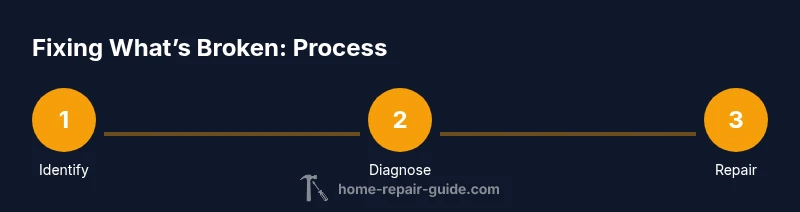
Repair work follows a predictable pattern that increases success rates. Step 1: isolate power or water supply and confirm the hazard has been removed. Step 2: test the symptom with safe methods to verify root cause. Step 3: select the appropriate fix, whether part replacement, adjustment, or sealant. Step 4: perform the fix carefully, reassemble components, and clean up. Step 5: test the repaired system under normal conditions and observe for at least one cycle. Step 6: document what worked, what didn’t, and any remaining concerns. This template applies to many tasks—from tightening a loose cabinet to addressing a defective outlet. Visual aids or annotated photos can help ensure you don’t miss steps.
Common Home Repairs: Examples and How to Approach Each
This section covers typical issues homeowners encounter and how to approach them thoughtfully. Plumbing leaks under a sink often require tightening fittings, replacing a worn gasket, or applying sealant. Electrical outlets that don’t work may need a reset, a wiring check, or a replacement outlet with proper grounding. Doors that stick usually benefit from hinge lubrication, weatherstripping, or frame alignment. Appliance issues, like a dishwasher that won’t drain, may involve cleaning filters, checking for blockages, or testing drainage hoses. For exterior problems, inspect weatherproofing around windows and doors and reseal where needed. In each case, start with a safe diagnosis, gather the right replacement parts, and follow a step-by-step plan rather than improvising.
Safety Considerations and When to Call a Pro
While many fixes are within reach, some tasks carry real risks. Always de-energize circuits before touching outlets or wiring, and never work on live electrical components. If you smell burning, notice discolored outlets, or see damp wiring, stop immediately and consult a licensed professional. Water and electricity together create serious hazards; use a non-contact voltage tester to verify power absence before touching any wiring. If structural elements show signs of compromised integrity, or repair tasks require permits or specialized equipment, it’s prudent to hire a qualified tradesperson. When in doubt about safety, err on the side of caution and seek professional help to avoid costly mistakes or injury.
Maintenance Habits to Prevent Future Breakage
Prevention is cheaper than repair. Create a simple maintenance routine that includes monthly visual checks, annual inspections of seals and weatherstripping, and seasonal testing of essential systems (plumbing, electrical, and HVAC). Keep a basic repair kit and a simple log of fixes and replacements. Regularly replace air filters, tighten fittings that loosen over time, and address minor drips promptly to stop corrosion and buildup. Small, consistent habits dramatically extend the life of fixtures and appliances and reduce the chance of sudden failures.
Troubleshooting Quick Wins and Pitfalls
Quick wins can restore function quickly but avoid shortcuts that bypass safety standards. For example, replacing a damaged gasket on a faucet can stop leaks promptly, while bypassing a safety switch on a power tool can create risk. Always recheck connections after a fix and test under normal conditions. A common pitfall is over-tightening screws or clamps, which can strip threads and cause more damage. Another mistake is attempting a fix without fully diagnosing the root cause, leading to repeat problems. Take your time, verify each step, and avoid rushing to complete a repair.
How to Validate Your Fix: Testing and Documentation
Validation means confirming that the repair is effective and durable. After completing a fix, test the system under normal or simulated conditions for a full cycle or appropriate duration. Look for absence of leaks, correct operation, and no unusual sounds or smells. Document the fix with notes, photos, and dates so future repairs can build on your record. If you observe recurring issues, reassess the root cause and consider preventive measures or professional evaluation. A well-documented repair plan helps you stay organized and confident in future maintenance.
Tools & Materials
- Flashlight(Bright LED, headlamp optional for hands-free lighting)
- Screwdriver set(Phillips and flat-head in assorted sizes)
- Multimeter or voltage tester(Non-contact preferred for safety)
- Pliers and adjustable wrench(Grip and turn stubborn fittings)
- Tape measure(Measure components for proper fit)
- Utility knife(Cut sealants, open packaging, trim materials)
- Safety gear(Gloves, safety glasses, closed-toe shoes)
- Caulk/sealant and weatherstripping(Useful for leaks and drafts)
- Duct tape and zip ties(Temporary holds and labeling)
- Spare fuses, bulbs, and fasteners(Common replacements on hand)
Steps
Estimated time: 60-90 minutes
- 1
Identify the symptom
Observe exactly what isn’t working and when it occurs. Note any unusual sounds, smells, or behavior and document with a quick photo if possible. This helps you avoid guessing and targets the root cause.
Tip: Take a photo before you move parts; it helps when reassembling. - 2
Isolate the fault area
Cut power or water supply to the relevant area. This prevents accidental shocks or spills while you test components. Isolating the area narrows down where the problem originates.
Tip: Label switches and valves with tape to avoid confusion later. - 3
Test the suspected component
Use appropriate testing methods to verify whether the issue is with the component, connection, or environment. If electrical, use a multimeter; if plumbing, check for leaks and pressure.
Tip: Test in at least two independent ways to confirm the root cause. - 4
Apply the fix
Choose the simplest durable solution first (tighten, reseal, replace a worn part). Follow manufacturer guidance and ensure all connections are snug but not over-tightened.
Tip: Keep fasteners organized; misplacing a screw slows progress. - 5
Reassemble and test
Put everything back together and restore power. Run the system through a full cycle or normal operation to verify the fix and observe for stability over time.
Tip: Watch for leaks, heat, buzzing, or unusual smells during the test.
FAQ
What is the first step in fixing something broken at home?
Begin with a safety check and clearly identify the symptom. Understanding the problem prevents risky or unnecessary fixes.
Start with safety checks and identify the symptom before touching anything.
When should I call a professional?
If the issue involves electrical wiring, gas lines, structural integrity, or requires permits, it’s best to hire a licensed professional.
Call a professional if electrical, gas, or structural work is involved.
Which tools are essential for most at-home repairs?
A basic screwdriver set, a multimeter, pliers, a flashlight, and safety gear cover most common repairs you’ll encounter.
Keep a screwdriver set, a multimeter, pliers, a flashlight, and safety gear on hand.
How can I prevent future breakdowns?
Regular maintenance, timely part replacements, and keeping a repair log help prevent recurring issues and extend the life of fixtures.
Regular maintenance and keeping a repair log helps prevent future problems.
What should I document after a repair?
Record the steps taken, parts used, and the outcome. Photos and dates support future maintenance and quick troubleshooting.
Document what you did, with photos and dates for future reference.
Is it okay to improvise if I’m unsure?
Avoid improvisation that bypasses safety or code requirements. When in doubt, pause and seek guidance.
If unsure, pause and seek guidance rather than guessing.
Watch Video
Key Takeaways
- Diagnose before replacing parts.
- Prioritize safety and proper isolation.
- Use the right tools for durable fixes.
- Test thoroughly and document results.