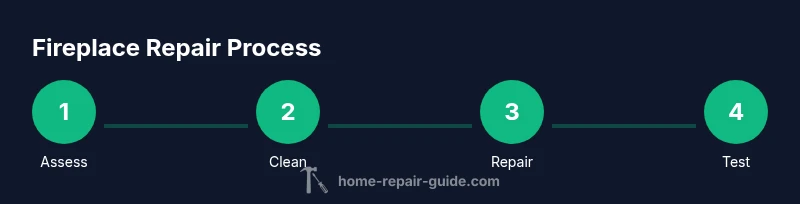
Fireplace Repair: A Practical Step-by-Step Guide
Learn safe, practical fireplace repair steps for wood and gas fires. This Home Repair Guide tutorial covers diagnostics, cleaning, minor masonry fixes, and maintenance to keep your hearth safe and efficient.


With proper precautions, you can diagnose and address common fireplace problems, from creosote buildup to cracked masonry. Start by turning off the fuel source (gas or wood), then inspect the damper, flue, and firebox for blockages or damage. If you’re unsure, prioritize safety and consult a professional. This guide walks you through a safe, structured repair plan.
Why Fireplace Repair Matters
According to Home Repair Guide, maintaining your fireplace isn’t just about comfort—it’s a safety imperative. A well-kept hearth reduces the risk of fire hazards, carbon monoxide exposure, and costly damage to surrounding structures. Regular inspection helps catch early signs of deterioration, such as cracks in the masonry, moisture intrusion, or improper drafts. By treating the fireplace as a system—flue, damper, firebox, and hearth—you can prioritize safety, efficiency, and long-term value for your home. Homeowners and renters alike benefit from a proactive approach that minimizes emergency repairs and preserves ambiance for years to come.
Assessing Your Fireplace Type
Fireplace designs vary widely, and knowing which type you own guides every repair decision. A masonry wood-burning fireplace relies on a brick or stone surround with a clay chimney; a factory-built (prefabricated) unit uses a fire-resistant cabinet and a metal flue; a gas fireplace has a gas line, valve, and often a ceramic ember bed. Each type has distinct maintenance needs and safety concerns. Start with a quick classification: is the unit masonry-based or metal-box prefabricated? Is the firebox exposed to the outdoors via a chase, or is it contained? Matching fixes to type prevents wasted effort and reduces risk of improper repairs.
Safety First: Hazards to Check
Safety is non-negotiable when repairing a fireplace. Begin by ensuring the fuel source is fully off and that everyone nearby is aware of the work. Install and test a working carbon monoxide detector nearby, and verify that smoke and CO detectors in adjacent rooms are functional. Check for gas leaks (on gas fireplaces) and look for cracked tiles, crumbling mortar, or damp areas around the chimney. If you notice a strong odor, excessive soot, or signs of structural instability, pause the work and contact a licensed professional. PPE such as gloves, goggles, and a respirator are essential during cleaning and inspection.
Common Problems and How to Identify Them
Creosote buildup creates a combustible coating inside the flue and can trigger chimney fires if not addressed. Visible cracks in the firebox or masonry indicate moisture damage or settlement and require repair. A persistent draft or smoke backing into the room points to damper issues, blocked flues, or improper liner alignment. White staining on brick can signal moisture intrusion; efflorescence may indicate leaking masonry. By documenting what you observe—such as the location of cracks or damp spots—you can communicate clearly with a professional if you decide to hire help.
Tools and Materials You’ll Need
A safe, effective repair relies on the right toolkit and materials. Essentials include a sturdy ladder, a chimney brush kit for sweeping, a HEPA-equipped vacuum, a masonry trowel, mortar mix appropriate for your brick or stone, flashing or sealant suitable for high-heat areas, protective gear (gloves, eye protection, respirator), and a flashlight for dim areas. Optional but helpful items include a chimney cap, a level, and an infrared thermometer to check surface temperatures. Keep your workspace clear of clutter and ensure you have a stable surface for any roof-access work.
Cleaning and Minor Repairs You Can Do (With Caution)
Begin with a thorough cleaning of the firebox and visible surfaces using a dry brush and a vacuum with a HEPA filter. Avoid water on hot masonry; dampen only if advised by a professional, and never on a hot surface. For minor cracks in non-structural mortar, backer rod and high-heat mortar can provide a temporary seal, but curing should occur at moderate temperatures with proper ventilation. Creosote removal requires a dedicated chimney brush and, in some cases, professional cleaning. Never dislodge masonry with force; large sections should be supported and inspected by a pro.
When to Call a Pro
If you notice large cracks, shifting foundations, significant water damage, gas line concerns, or uncertain repair scope, it’s time to consult a licensed professional. A pro can assess structural integrity, verify venting performance, and advise on appropriate reroofing or masonry work. Early consultation can prevent minor issues from evolving into costly replacements. Even when you feel comfortable performing routine maintenance, a professional inspection every year or two ensures compliance with local codes and safety standards.
Maintenance Schedule to Extend Life
Create a simple seasonal routine to extend the life of your fireplace. After each heating season, inspect the damper and flue for blockages and signs of wear. In the spring, perform a light cleaning of the firebox and sealant around the hearth to prevent moisture intrusion. Schedule a professional chimney inspection annually, particularly if you burn wood regularly. Keep records of repairs and replacements, and replace smoke and CO detectors as recommended by manufacturers. Consistency is the best defense against sudden failures.
Tools & Materials
- chimney brush kit(Varied sizes; include extension rods for tall chimneys)
- HEPA vacuum(Use with proper filter and attachments)
- masonry mortar mix(High-heat rated for fireplaces)
- trowel and pointing tool(For small crack repair)
- caulk or sealant for high heat(Flue-to-chimney gaps)
- protective gear(Gloves, goggles, respirator (N95 or better))
- flashlight(Rooftop or chimney interior visibility)
- ladder(Stability and safety on roof access)
- dust mask or respirator(Creosote particulates and dust)
- water-repellent sealant(Post-repair weatherproofing (non-heat-exposed areas))
Steps
Estimated time: 60-90 minutes
- 1
Assess safety and prepare
Turn off the fuel source and ensure the area is well-ventilated. Put on PPE and clear the work zone. Confirm you have all tools and a plan before touching the chimney or firebox.
Tip: Never work on the chimney if you feel unsafe or if weather conditions are poor. - 2
Inspect damper and flue
Inspect the damper for stiffness or sticking; verify the flue is clear of debris. If you see corrosion or warped components, note these issues for replacement rather than patching.
Tip: A simple damper test can prevent smoke-back before lighting a fire. - 3
Clean creosote and soot
Use a chimney brush and HEPA vacuum to remove loose creosote. Do not use water on hot surfaces; if damp cleaning is required, do so only after consulting a professional.
Tip: Work from the top down to reduce debris falling into the firebox. - 4
Repair minor masonry cracks
Mix high-heat mortar and apply it to small cracks with a trowel; smooth joints and allow to cure in a controlled environment. Avoid forcing material into large gaps.
Tip: Keep a damp cloth handy to wipe excess mortar off brick surfaces. - 5
Seal gaps around the hearth
Apply a high-heat sealant to gaps between the hearth and surrounding masonry to prevent moisture intrusion. Re-check sealant after curing before use.
Tip: Avoid over-application; excess sealant can crack with heat cycles. - 6
Test operation and safety devices
Reconnect the fuel supply, light a small test fire, and observe draft and venting. Confirm CO detectors remain responsive and smoke detectors stay active.
Tip: If smoke odors persist, pause and consult a pro rather than continuing.
FAQ
Is it safe to do fireplace repairs myself?
Many routine maintenance tasks are safe when you follow safety guidelines and turn off fuel sources. Structural or gas-related repairs should be handled by licensed professionals.
DIY repairs can be safe for basic maintenance, but leave structural or gas work to a licensed pro.
How do I know when creosote buildup requires a pro?
Visible heavy creosote, a strong smell, or smoke backing into the room are signs to hire a professional chimney sweep. Regular maintenance reduces buildup.
If you notice thick creosote or persistent odor, call a pro.
Can I perform masonry repairs on my own?
Small, non-structural cracks may be repaired with appropriate high-heat mortar. Large cracks or structural concerns require a licensed mason.
You can fix small cracks if you use the right mortar, but large issues need a pro.
What maintenance should be done annually?
Have a professional inspection yearly if you use the fireplace frequently. Between visits, clean the firebox and check for moisture or cracks.
Schedule a yearly professional inspection and do light upkeep in between.
What tools are essential for basic upkeep?
A chimney brush kit, a HEPA vacuum, masonry trowel, and high-heat sealant form the core toolkit. Always wear protective gear.
Key tools are a chimney brush, vacuum, trowel, and heat-rated sealant.
Watch Video
Key Takeaways
- Inspect regularly to catch early problems
- Prioritize safety; know when to hire a pro
- Document conditions to guide repairs
- Use proper heat-rated materials for masonry
- Maintain detectors and ventilation for safe operation