Fence Repair: A Step-by-Step DIY Guide
Learn practical, durable fence repair with a complete DIY guide: assessment, materials, steps, safety tips, and maintenance from Home Repair Guide.


This guide shows you how to perform fence repair safely and effectively, covering assessment, material selection, and a clear, step-by-step process to stabilize posts, replace boards, and restore gates. Whether you have a wooden picket fence or a chain-link panel, you’ll learn practical methods and maintenance tips to extend its life. Home Repair Guide supports homeowners seeking durable, cost-conscious DIY repairs.
Why fence repair matters
According to Home Repair Guide, fence repair is more than curb appeal. A sturdy, well-maintained fence protects children and pets, marks property boundaries, and reduces exposure to pests and weeds at the base. Left unchecked, moisture, rot, and shifting soil can cause posts to lean, rails to sag, and boards to warp—leading to higher repair costs or full replacement. A proactive fence repair plan saves time and money while preserving the value and safety of your home. When you invest in durable fixes, you’re protecting long-term property integrity and enhancing outdoor spaces that you use daily. The Home Repair Guide team emphasizes a practical, methodical approach so DIYers feel confident tackling common issues.
Assessing fence damage
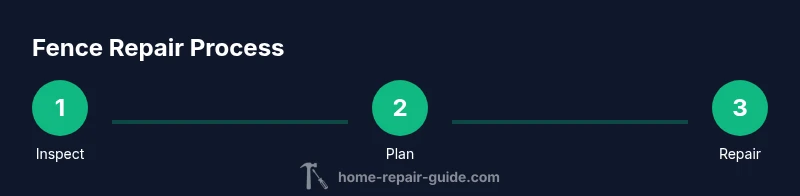
A thorough assessment starts at ground level and moves upward. Inspect posts for rot, cracks, or looseness where they meet the soil. Check rails for sagging alignment and boards for cracks or rot. Gate hinges and latches should swing smoothly without binding. Take photos and sketch a quick diagram of damaged areas to guide material planning. If the fence leans more than a few degrees or posts pull out of the ground easily, that often indicates a major structural issue requiring reinforcement. Home Repair Guide analysis shows that most failures begin at the base due to moisture exposure, soil movement, or improper setting.
- Look for soil erosion around posts
- Test each post for plumb with a level
- Note any rusted hardware or loose fasteners
Planning your repair strategy
Once you’ve identified the damage, plan a repair strategy that fits your fence type (wood, vinyl, or chain-link) and your climate. Decide whether to repair or replace posts, rails, or boards, and determine if the gates require adjustment. Create a bill of materials and a rough timeline, accounting for weather and cure times. If you’re replacing posts, you’ll need appropriate post sleeves or concrete and supports. Budget for fasteners, sealants, and a finish coat to protect wood from moisture. A clear plan reduces wasted trips to the hardware store and helps you stay on track with the project. Home Repair Guide notes that planning ahead minimizes surprises and keeps repairs durable long term.
Choosing materials and finishes
Material choice depends on fence type and budget. For wooden fences, choose pressure-treated pine or cedar for rot resistance; for vinyl fences, ensure you match color and profile to existing sections. Replace damaged boards with identical widths to maintain uniform spacing. Finish wooden components with a weatherproof sealant or exterior stain to slow moisture ingress. For metal components like chain-link fences, inspect and replace corroded tension bands or ties. Always use exterior-grade fasteners to prevent rust and guarantee a secure hold. Finishing the repair with a protective sealant extends life and reduces future maintenance.
Safety considerations and permits
Safety first: wear eye protection, gloves, and sturdy footwear. Use ladders only on stable surfaces and never work up on a wet, slick area. Power tools require proper guarding and a grounded outlet. Check local codes to determine if a permit is needed for large fence repairs or replacements, especially if you plan to alter property lines or gate structures. If you’re in a windy region, schedule repairs during calm weather to prevent posts from failing while you work. Adherence to safety guidelines minimizes injury risk and ensures a professional-grade result.
Basic repair techniques: posts, rails, boards
Most fence repairs involve reinforcing or replacing posts, rails, and boards. For a leaning post, remove soil around the base, set a new concrete footing, and brace temporarily until the concrete cures. Replace rotten boards by removing nails, cutting a new board to match width, and securing it with exterior screws. If rails sag, tighten attachments or replace rails in sections rather than the entire length. Use weatherproof glue for small cracks and seal with matching wood stain or paint. A well-executed replacement maintains uniform appearance and structural integrity.
Gate repair and hinge alignment
Gates require precise alignment for smooth operation. Check hinge screws and mounting brackets, adjust hinge positions, and ensure the gate posts are plumb. If a gate drags, trim the bottom or adjust the latch strike to align with the post. Lubricate moving parts with a weatherproof compound. Tighten hardware and verify that the gate closes securely without binding. Proper gate alignment prevents wear on hinges and latches and protects your yard from unwanted entry.
Finishing touches: sealing and weatherproofing
Seal all repaired wood to resist moisture. Apply two coats of exterior sealant or stain, allowing adequate drying time between coats. Inspect for gaps at rail joints and caulk where necessary to prevent water intrusion. Regular maintenance—re-staining every 2–4 years depending on climate—extends life and keeps your fence looking cohesive. Weatherproofing is an ongoing process that pays off in fewer larger repairs and a longer overall lifespan for your fence.
DIY vs professional: cost, risk, and timelines
DIY fence repair offers significant cost savings but requires basic carpentry skills and a commitment to safety. If structural posts are crushed or footings are deeply undermined, consider hiring a pro for an upfront evaluation and to ensure structural integrity. Complex gate work or a fence near a sidewalk or driveway may require permits or specialized equipment. Weigh the time, tools, and safety considerations against the cost of a professional service. Home Repair Guide’s guidance favors DIY for simple repairs but recommends professionals for major structural fixes to ensure long-term durability.
Maintenance to extend life
Establish a maintenance schedule: inspect annually, tighten fasteners, clean dirt and debris, and re-seal as needed. Clean, dry boards dry between wet seasons to prevent rot. Replace a few boards at a time to avoid large downtime. A yearly or biannual check helps catch issues early and keeps your fence stable and attractive.
Tools & Materials
- Tape measure(At least 8 ft; measure post spacing and rail runs)
- Pencil or chalk line(Mark cut lines and locations)
- Level(Check plumb and level across posts)
- Hammer(Drive nails or loosened fasteners)
- Power drill/driver(Driver bits for exterior screws)
- Circular saw or hand saw(Cut boards to width or length)
- Post hole digger or auger(Create new post holes if needed)
- Concrete mix(Set new posts; follow bag instructions)
- Shovel and buckets(Move soil and mix concrete)
- Exterior-grade screws and galvanized nails(Secure boards and hardware)
- Wood preservative or exterior sealant(Protect repaired wood)
- Caulk or exterior sealant(Seal joints to prevent moisture ingress)
- Safety gear (gloves, safety glasses, hearing protection)(Eye protection and hand protection essential)
- Pry bar or clamps(Aid in removing stubborn boards)
Steps
Estimated time: 4-8 hours
- 1
Inspect and document damage
Walk the fence line to identify rot, loose posts, warped boards, and rusted hardware. Photograph damaged sections for reference and note measurements for replacement parts.
Tip: Take clear photos from multiple angles to guide material orders. - 2
Gather tools and materials
Collect all required tools and replacement boards, posts, or rails. Double-check that you have exterior-grade fasteners and a level for accurate alignment.
Tip: Lay out items in order of use to streamline the workflow. - 3
Secure area and remove damaged components
Brace the area if needed and carefully remove rotted boards, loose rails, or compromised posts. Keep old hardware for reference only if it’s reusable.
Tip: Label salvageable pieces to reuse later. - 4
Install or reinforce fence posts
If you’re replacing posts, dig new holes, set posts to plumb, and pour concrete. If reinforcing, sleeve or reinforce with brackets and braces and allow concrete to cure.
Tip: Protect wooden posts from ground contact with proper flashing or sleeves. - 5
Attach rails and replace boards
Secure rails to posts using exterior screws; replace any damaged boards with matching width. Ensure tight fits and level alignment along the line.
Tip: Check horizontal consistency with a chalk line across top edges. - 6
Check alignment and level
Verify that the fence line remains straight and posts are plumb. Adjust if necessary before final fasteners are tightened.
Tip: Use a string line to confirm long runs stay true. - 7
Hang or re-hang gates
Re-hang hinges, adjust latch alignment, and confirm the gate closes without binding. Test swing on both gate leaves.
Tip: Apply a small amount of lubricant to hinges to extend life. - 8
Seal and finish repaired areas
Apply wood preservative or sealant to all repaired wood; stain or paint to match the rest of the fence. Seal any joints or gaps to prevent moisture infiltration.
Tip: Choose fast-drying exterior finishes for quicker turnarounds. - 9
Clean up and inspect final work
Remove debris, recheck all fasteners, and ensure you can proudly show off the repaired fence. Schedule a maintenance check in the coming season.
Tip: Document the work with photos for future reference. - 10
Plan ongoing maintenance
Set reminders for annual inspections and re-sealing. A small yearly effort keeps the fence durable and visually consistent.
Tip: Develop a 2-year replacement or repair plan for high-stress sections.
FAQ
What is the first step in fence repair?
Begin with a thorough inspection to identify rot, loose posts, and warped boards. Document damage and gather the necessary tools and materials before you start.
Start with a careful fence inspection to identify what needs fixing, then collect the right tools and parts.
How do I know if a fence post needs replacement?
If a post is cracked, rotted at ground level, or pulls out easily with moderate pressure, replacement is usually safer and more durable than repair. Reinforcement may be an option in limited cases.
If a post is cracked or rotted at the base, or pulls out with a bit of force, replace it for long-term stability.
Do I need a permit for fence repairs?
Permit requirements vary by location and the extent of the work. Small repairs typically don’t require a permit, but replacing posts or altering property lines may. Check local codes before starting.
Check your local codes to see whether permits are needed for major fence work.
Can I repair a vinyl fence the same way as wood?
Vinyl fences require different fasteners and minimally invasive methods to avoid cracking. Use compatible vinyl products and follow manufacturer guidelines for repairs.
Vinyl repairs differ from wood; use the right vinyl-rated parts and follow the manufacturer’s directions.
What maintenance should I do after fence repair?
Re-seal or re-stain wooden sections, tighten hardware annually, and inspect for new signs of wear after seasonal weather. Keep vegetation away from the fence to prevent moisture retention.
Seal wood after repairs, check hardware annually, and watch for wear after each season.
Is DIY fence repair safe for chain-link fences?
Yes, DIY is feasible for basic chain-link repairs if you replace damaged ties and ensure the framework is tensioned correctly. For major structural issues, a pro can help ensure proper tension and alignment.
Chain-link repairs can be DIY for simple fixes, but complex issues may need a pro.
Watch Video
Key Takeaways
- Assess damage early to prevent bigger issues.
- Plan materials and steps before you start.
- Choose weather-appropriate finishes for durability.
- Prioritize safety and proper gate alignment.
- Regular maintenance extends fence life.