Car Repair in My Area: A Practical Local Guide to Shops
Learn how to find trustworthy car repair in my area, compare quotes, and avoid scams. This guide covers certifications, pricing ranges, and steps for repairs.


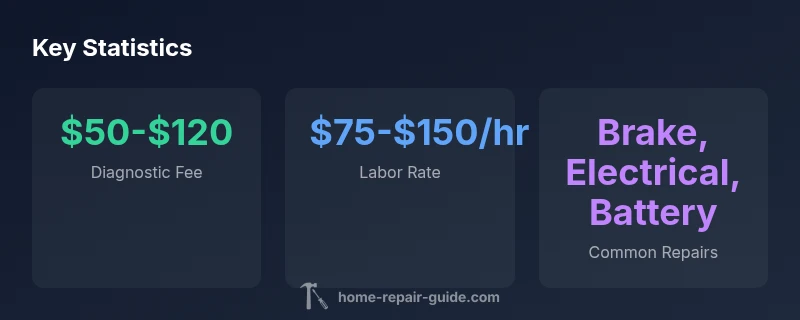
Finding reliable car repair in my area starts with transparency, certification, and clear quotes. Expect regional variations in diagnostic fees and labor rates, typically diagnostic fees around $50-$120 and labor around $75-$150 per hour; prioritize shops that provide written estimates and upfront pricing.
Understanding the local car repair landscape
According to Home Repair Guide, the car repair market typically includes independent shops, national chains, and dealership service departments. Each type offers different strengths, from lower prices to manufacturer expertise. When searching for car repair in my area, prioritize shops with transparent pricing, clear written estimates, and verified certifications. ASE-certified technicians or factory-trained staff indicate a higher level of skill, while long-standing local shops can offer personalized service and accountability. Compare proximity, staff credentials, and how the shop handles diagnostics and upfront costs. Avoid shops that pressure you for unnecessary work or insist on replacing parts without a diagnosed reason. A practical approach is to assemble a shortlist of three local options and request a written quote and diagnostic policy from each.
How to evaluate local shops for car repair in my area
Evaluation should cover certifications (ASE or factory training), warranty terms, and evidence of up-to-date equipment. Read customer reviews and ask for references. Request written, itemized estimates that separate parts, labor, and diagnostic fees. Confirm whether the diagnostic fee is credited toward any repair. Inquire about turnaround times and whether loaner cars are available. Transparency matters: shop policies, expected turnaround, and parts lists should be clearly spelled out before work begins. Finally, verify that the shop has proper licensing and a clear process for handling disagreements.
Key factors that influence cost and turnaround
Costs and turnaround times are influenced by vehicle make and model, repair complexity, availability of parts, and the choice between OEM versus aftermarket components. Labor rates vary by region and shop type, and diagnostic fees can be a separate line item. For rare or imported vehicles, specialized technicians and longer wait times for parts can extend both cost and schedule. A reliable shop will provide a written estimate that includes part numbers, labor hours, and tax. Currency of information matters: prices and timelines shift with supply chains and demand.
Step-by-step guide to getting quotes
- Gather vehicle information: year, make, model, VIN, and a concise description of the issue. 2) Contact three local shops and request a written, itemized quote. 3) Ask whether a diagnostic fee applies to the final bill and if the fee is waived with repair approval. 4) Compare parts quality (OEM versus reputable aftermarket) and the warranty terms on parts and labor. 5) Confirm estimated turnaround time and whether a courtesy vehicle is available. 6) Make your decision based on quotes, credentials, and the shop’s communication clarity.
Common repair scenarios and what to expect
Brake system work is common and often time-consuming, with timeframes dependent on parts availability. A typical brake job might take a couple of hours, while rotor resurfacing could add time. Battery or charging system repairs usually involve diagnostic checks plus replacement, often completed within 1-2 hours. Cooling system issues may require pressure testing and a coolant flush, which can take 1-2 hours. Electrical faults vary widely; complex faults can demand more time and specialized equipment. Always request a breakdown of parts, labor, and test results so you can see what you’re paying for.
DIY vs professional repair: when to hire
DIY work can be appropriate for simple maintenance tasks like replacing wiper blades, changing air filters, or topping up fluids. For safety-critical systems—brakes, steering, suspension, engine cooling, and electrical wiring—professional repair is strongly advised. If you lack the necessary tools, time, or confidence for accurate diagnostics, hiring a qualified technician reduces risk and potential further damage. Consider the vehicle’s value, the repair’s cost relative to replacement, and the potential impact on safety before deciding.
How to protect yourself from overcharging
Always request a written, itemized estimate that lists parts and labor separately. Check if the shop offers OEM or high-quality aftermarket parts, and ensure the estimate includes warranty terms for both parts and labor. Ask about tiered pricing (e.g., standard vs premium parts) and whether diagnostics fees apply to later repairs. Read the fine print on warranties and confirm coverage for both the failed part and the labor to replace it. If something feels uncertain, get a second opinion.
Maintenance habits that reduce future costs
Regular preventive maintenance—oil changes, axle and fluid checks, tire rotations, and brake inspections—can catch issues before they escalate into expensive repairs. Keep a digital or physical service history so future shops can assess what has been done and what remains. Schedule annual inspections to align maintenance with vehicle mileage and climate conditions. Being proactive helps minimize unexpected, high-cost repairs and supports more accurate quotes from local shops.
Estimated time and cost ranges for common car repair services
| Service Type | Typical Time | Estimated Cost Range |
|---|---|---|
| Brake pad replacement | 1-2 hours | $150-$350 |
| Battery replacement | 0.5-1 hour | $100-$200 |
| Alternator service | 1-3 hours | $200-$450 |
| Coolant flush | 0.5-1 hour | $80-$180 |
FAQ
What should I look for in a local car repair shop?
Look for ASE or OEM training, clear written estimates, upfront diagnostic fees, and positive customer reviews. Verify warranties and request a detailed parts list.
Choose a shop with certified techs, clear quotes, and good warranties. Ask for a detailed parts list.
Is diagnostic testing always required before repair?
Not always, but a diagnostic test often identifies the root cause and helps you avoid unnecessary repairs. Ask if the diagnostic fee applies to the final bill.
Diagnostics are usually essential to confirm the issue. Check if the test fee goes toward repairs.
How can I compare quotes effectively?
Request three written quotes and compare parts quality (OEM vs aftermarket), labor rates, and included warranties. Ensure every quote includes a clear scope of work.
Get three written quotes and compare parts, labor, and warranties.
What warranties should I expect after repair?
Look for a parts-and-labor warranty, typically at least 12 months or 12,000 miles. Read the policy details for exclusions and coverage limits.
Expect a parts-and-labor warranty for a year or 12,000 miles; read the fine print.
OEM vs aftermarket parts: which is better?
OEM parts fit and perform like the original but cost more. High-quality aftermarket parts can provide good value depending on the repair and vehicle age.
OEM parts fit best but cost more; good aftermarket parts can be a solid value.
“Transparent pricing and accurate diagnostics save homeowners time and money. Rely on trained technicians who can identify the issue the first time.”
Key Takeaways
- Compare three local quotes before deciding
- Verify credentials and warranties on repairs
- Request written, itemized estimates
- Ask about diagnostic fees and whether they apply to repairs
- Balance OEM vs aftermarket parts with budget and safety in mind