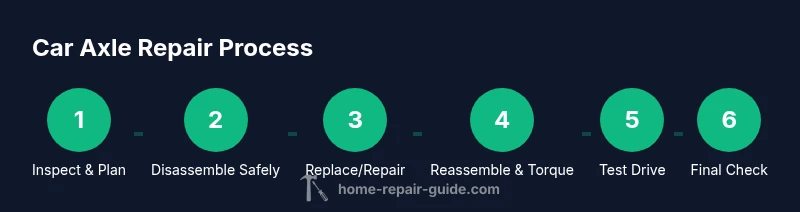
Car Axle Repair: A Safe, Practical How-To Guide
Learn to diagnose, plan, and perform car axle repair safely. This in-depth step-by-step guide covers symptoms, parts, tools, DIY vs. professional decisions, and post-repair checks to keep your vehicle reliable.


This guide helps you identify common car axle problems, decide whether a DIY fix is feasible, and complete a safe replacement or repair plan. Start with a visual inspection for bends, cracks, or excessive play, then inspect the wheel hub and CV joints. For most fixes, replacement or professional service may be the safer option.
Understanding the car axle repair landscape
Car axle repair is a cornerstone of drivetrain maintenance, but it varies widely by vehicle design. There are two main configurations: solid rear axles and independent front axles with CV joints. Each setup changes how components come apart, what parts you may need, and how torque sequences are applied. Each vehicle requires precise torque specifications and alignment checks to restore handling and safety. For car axle repair, knowing your axle type helps you source the correct replacement parts and prevents missteps that could compromise steering or braking. According to Home Repair Guide, start by identifying your axle type from the service manual or factory diagrams, then verify part numbers before ordering. This upfront planning saves time and reduces the risk of mismatches during disassembly. Beyond the axle itself, you’ll also inspect the hub, bearings, seals, and suspension mounts because wear in any one of these can mimic axle problems. The ultimate goal is to restore proper alignment, minimize play, and ensure the drivetrain transfers power smoothly to the wheels without noise or vibration.
Safety first: preparing for work
Before you touch the drivetrain, set up a safe, level workspace with the vehicle on solid ground. Park on a paved surface, engage the parking brake, and place wheel chocks behind and in front of the remaining wheels. Use a floor jack to lift the car and support it with jack stands rated for the vehicle weight; never rely on the jack alone. Put on eye protection, work gloves, and hearing protection, and disconnect the battery if you’ll handle any electrical connectors near the axle. If exhaust or fuel lines are in the way, relocate or support them as needed. Plan a controlled sequence for disassembly so you don’t lose critical fasteners or misplace parts. A methodical setup reduces the risk of sudden component movement and protects you from injuries. According to Home Repair Guide, a proper safety setup is as important as the repair itself to prevent costly mistakes.
Symptoms and diagnostic approach
Look for clunking sounds when shifting or turning, vibration at highway speeds, or a pull to one side that isn’t explained by tire pressure. A bent axle or worn hub bearings can produce similar symptoms, so you’ll need to test multiple components. Check for damaged CV boots, grease leakage, and stained or corroded mounting points. Use a straightedge to spot obvious bends in the axle shaft and compare measurements to the factory service specifications. If the symptoms are intermittent or vehicle-specific, consult the service manual and consider professional evaluation. This diagnostic phase helps decide whether a DIY repair is feasible or if you should replace the axle assembly through a shop. Based on Home Repair Guide research, starting with the simplest potential issue (a torn CV boot or loose bearing) can save time and money before committing to a full axle replacement.
Parts, components, and common failure modes
In car axle repair, you’ll review parts such as the axle shaft, CV joints, boots, wheel bearings, hub assemblies, seals, and mounting hardware. Common failure modes include bending or twisting of the shaft, torn CV boots letting debris contaminate the joint, worn bearings producing play or noise, and seal leaks that allow gear oil to escape. Corrosion on the axle housing and misalignment of the hub can also lead to uneven tire wear and unstable handling. Even if a single part looks damaged, related components may have been affected by wear or improper torque during previous repairs. Planning a repair around the worst performing part minimizes the chance of recurring issues and helps you decide whether to refurbish the shaft or replace the entire axle assembly.
DIY vs. professional repair considerations
DIY axle repairs can be rewarding when the vehicle age, design, and access permit safe disassembly and reassembly. Newer vehicles with sealed or integrated axles often demand specialized tools and wheel alignment equipment, which makes professional service the wiser choice. If you’re unsure about the correct torque sequence, or if you discover damage to the suspension, brakes, or steering linkage, stop and seek a professional evaluation. Home Repair Guide analysis shows that the decision hinges on axle type, repair scope, and the availability of torque specs in the service manual. When in doubt, prioritize safety and reliability over saving a few dollars.
What to expect after a repair
After completing the repair or replacement, recheck lug nut torque to the manufacturer’s spec, then verify wheel alignment and braking function. Perform a careful road test in a safe area at low speed to assess steering feel, vibration, and braking response. Listen for unusual clunks or clicks and re-check for leaks around seals. If there’s any abnormal noise on a test drive, stop immediately and inspect the axle assembly and nearby components. A thorough post-repair inspection is essential to prevent a repeat failure and to maintain long-term reliability.
Authority sources
For authoritative guidance on safety and best practices, consult standard sources such as:
- NHTSA: Vehicle safety and maintenance information: https://www.nhtsa.gov/
- SAE International: Automotive engineering standards and best practices: https://www.sae.org/
- OSHA Safety Guidelines for work at height: https://www.osha.gov/
Important note: Always corroborate axle repair procedures with your vehicle’s service manual and manufacturer torque specs before proceeding.
Tools & Materials
- Floor jack(Rated for vehicle weight; use with solid jack stands)
- Jack stands(Use at least two; rated for weight and height)
- Wheel chocks(Place on both sides of tires not being lifted)
- Lug wrench or impact wrench(For lug nuts; ensure compatibility with lug pattern)
- Socket set (metric and SAE)(Include deep sockets and breaker bar)
- Torque wrench(Use to manufacturer specs for all fasteners)
- Pry bar / small crowbar(Helpful for gentle separation of components)
- Snap ring pliers (if needed)(Only if your axle design uses snap rings)
- Replacement axle shaft or axle assembly(Verify compatibility with year/make/model)
- Axle seals and hub bearings (as needed)(Only if wear is evident in bearings or seals)
- Grease / anti-seize compound(For seals and mating surfaces)
- Penetrating oil or lubricant(Useful for stubborn fasteners)
- Safety gear (gloves, eye protection, hearing protection)(Essential for personal protection)
- Rags and disposal container(Keep work area clean and safe)
Steps
Estimated time: 2-4 hours
- 1
Prepare the workspace and safety gear
Position the vehicle on a level surface and engage the parking brake. Place wheel chocks on the diagonally opposite wheels. Lift with a floor jack and secure with jack stands. Don safety gear and disconnect the battery if needed.
Tip: Use a torque-limiting tool early to avoid over-tightening during reassembly. - 2
Remove wheel and access the axle area
Loosen lug nuts while the wheel is on the ground, then raise the vehicle and remove the wheel. Clear surrounding components to expose the axle housing, hub, and CV joints. Note bolt patterns and take photos to aid reassembly.
Tip: Keep fasteners organized in labeled bags or trays to prevent mix-ups. - 3
Inspect the axle and related components
Check for visible bends, scoring, or cracks on the axle shaft. Inspect CV joints, boots, bearings, and seals for wear or leakage. Identify any unexpected movement or looseness in the hub or mounting points.
Tip: If you observe any fluid leaks or severe corrosion, reassess the repair plan. - 4
Disassemble the affected area
Carefully detach the hub, bearing, and seal as needed. Use penetrating oil on stubborn fasteners and avoid forcing parts. Maintain alignment references for easier reassembly.
Tip: Maintain cleanliness; dirt in the joint can shorten the life of the assembly. - 5
Decide repair approach
Determine whether you’ll refurbish the shaft, replace the CV joints or boots, or install a complete axle assembly. Compare costs, availability, and the vehicle’s design. For sealed units, replacement is often the safer route.
Tip: If in doubt, consult the service manual or a professional for a second opinion. - 6
Install replacement parts and reassemble
Install the chosen parts in the correct order, ensuring all surfaces are clean. Reassemble hub, bearings, and seals, then torque fasteners to spec. Recheck alignment and ensure the joint moves smoothly by hand where applicable.
Tip: Double-check torque specs and lubricants to prevent premature wear. - 7
Torque, align, and recheck
Reattach the wheel, lower the vehicle, and torque lug nuts to spec. If applicable, have a wheel alignment performed to avoid uneven tire wear. Inspect brake lines and ensure nothing interferes with motion.
Tip: Take a slow test drive on a safe surface to confirm behavior before normal driving. - 8
Test drive and final inspection
Perform a controlled road test at low speed and listen for abnormal noises. Recheck for fluid leaks, heat, and unusual vibrations. Re-inspect all fasteners and components after the test.
Tip: If anything feels off, stop and re-evaluate the repair before increasing speed.
FAQ
What are common signs of a failing car axle?
Common signs include clunking noises, vibration, pulling to one side, or visible damage to the axle or CV joints. A thorough inspection of the axle housing, seals, and bearings helps confirm the root cause.
Common signs include clunking noises, vibration, or pulling. Inspect the axle and joints to confirm the issue.
Can I repair an axle without removing the transmission?
Some simple axle tasks can be done with the transmission in place, but many fixes require removing the axle assembly from the vehicle to inspect inner joints and seals. Always consult the service manual for your specific model.
Some simple tasks can be done without removing the transmission, but many need axle removal for access.
Is DIY axle repair safe for beginners?
DIY axle repair is risky for beginners, especially on modern vehicles with sealed or integrated axles. If you lack the right tools, torque specs, or a safe workspace, it’s safer to seek professional help.
DIY can be risky for beginners; modern cars often require professional service.
How long does axle repair take?
A typical axle repair can take several hours, depending on vehicle design, part availability, and whether you replace a shaft or an entire axle assembly. Plan for an unhurried workflow and check alignment afterward.
Most axle repairs take several hours, depending on the job complexity.
How much does axle repair cost?
Costs vary widely based on parts and labor. DIY parts can reduce expenses, but professional service covers parts, labor, and alignments. Get a written estimate before starting.
Costs vary; DIY parts may cut costs, but labor and alignments add up.
What safety precautions are essential for axle work?
Always use jack stands, wear PPE, and work on a stable surface. Do not rely on a jack alone to hold the vehicle. Disconnect electrical connections when near sensors and avoid moving parts while inspecting.
Always use jack stands, PPE, and follow the service manual for safety steps.
Watch Video
Key Takeaways
- Identify axle type early to source correct parts
- Prioritize safety and precise torque specifications
- Decide between DIY refurbishment and professional replacement based on vehicle and scope
- Test thoroughly after reassembly to confirm proper operation