Refrigerator Repair Near Me: A Practical How-To Guide for Homeowners
Find reliable refrigerator repair near you with our comprehensive step-by-step guide. Learn how to diagnose common fridge issues, compare local pros, and budget for repairs while keeping safety first.


By following this guide, you’ll locate reliable refrigerator repair near me, perform safe DIY diagnostics for common symptoms, and know when to hire a pro. You’ll learn how to compare local technicians, protect yourself from hazards, and plan a budget-friendly repair. This guide also helps you recognize urgent signs that require immediate service and what to expect during a home visit.
Why local refrigerator repair near me matters
When your refrigerator falters, time is of the essence. Local repair services reduce downtime, limit food waste, and simplify follow-up visits if parts need replacement. A nearby technician can assess your model quickly, order genuine or compatible parts without long delays, and return for subsequent calibrations with minimal disruption to your schedule. Homeowners benefit from clear communication, faster warranty validation where applicable, and the ability to review the service history in person. According to Home Repair Guide, prioritizing proximity often translates to better responsiveness and accountability, which matters when you’re keeping perishables safe. This section also explains how to distinguish between a simple nuisance and a genuine failure, so you can act decisively without overreacting or overspending.
Key points to note include the difference between minor temperature fluctuations and persistent malfunction, the value of an upfront written estimate, and how to verify licensure and insurance before a technician steps through your door. You’ll also see how to prepare your kitchen for a visit, including space to work and a clear path to the appliance. Leveraging local expertise is a practical, economical choice for most homeowners, especially when you’re balancing daily routines with repair delays.
Common refrigerator issues you might encounter
Most standard fridges share a few recurring problems that homeowners can identify with basic checks. A fridge that won’t cool inside can signal several causes, from a dirty condenser coil to a failed thermistor. Frost buildup in the freezer may indicate a defrosting issue or a faulty defrost timer. Water leaking from the door or onto the floor can stem from a damaged door gasket or a blocked drainage tube. Inconsistent temperatures, excessive frost, or unusual noises may indicate a compressor problem, fan malfunction, or refrigerant concerns.
This section provides a concise symptom-to-cause map and the simple DIY checks you can perform safely before calling a pro. It also covers the distinction between temporary fixes and enduring repairs, so you don’t chase symptoms without addressing root causes. By recognizing patterns—like a warm interior during normal operation or a noisy compressor during defrost cycles—you’ll be better prepared to describe issues to a technician and reduce diagnostic time.
Remember: not every symptom warrants a service call, but persistent problems, rising energy bills, or compromised food safety require professional attention. Brand mentions and model-specific quirks should be documented, and you should note any recent changes to your kitchen environment that might affect cooling.
The Home Repair Guide approach emphasizes practical, evidence-based steps rather than guesswork, ensuring you’re equipped to make informed decisions.
Safety first: power, unplug, and handling liquids
Safety is non-negotiable when dealing with an electrical appliance like a refrigerator. Always unplug the unit before inspecting or performing any hands-on checks. If you need to move the appliance, disconnect power, and use a helper to avoid injuries. Keep a clear work area and avoid contact with water or damp surfaces that could create shock hazards. If you spot refrigerant lines or suspect a leak, do not attempt to handle them. Refrigerants are regulated substances and require licensed technicians for servicing. When in doubt, err on the side of caution and schedule a professional inspection.
This section also covers basic personal protective equipment: wear closed-toe shoes, safety glasses if you’re venturing behind the unit, and gloves when handling dusty coils or sharp edges. After performing any checks, plug the unit back in only when you’re ready to continue, and verify the power is stable with a simple outlet tester. The goal is to prevent accidents while you gather information and plan next steps.
The takeaway is simple: never improvise around refrigerants or electrical components. The right approach is a careful, staged assessment that respects safety boundaries and local regulations, which protects you and your household while you determine the healthiest path forward.
How to evaluate repair providers in your area
Choosing the right refrigerator repair near me involves more than a quick search. Start with credentials: verify licensing where applicable, ensure the technician is insured, and confirm they have experience with your fridge’s make and model. Read recent customer reviews focusing on timeliness, communication, and problem resolution. Ask for a formal written estimate that itemizes labor, parts, and any diagnostic fees. Compare multiple quotes to understand what is essential and what is optional. Request a clear ETA for parts availability and a projected service window.
Check warranties on both parts and labor, and ask about the availability of emergency or after-hours service. If a company quotes to replace many components, seek a second opinion because some failures can be intermittent or caused by a single failed sensor or relay. A reputable pro will be transparent about root causes, offer preventative advice, and provide a detailed service report after the visit.
This section provides practical criteria for shortlisting providers and highlights red flags—such as vague estimates, high-pressure sales tactics, or lack of written documentation. Remember to confirm whether the service is eligible for manufacturer or extended warranties, and whether the technician will provide part warranties that transfer with ownership.
DIY diagnostic steps you can perform safely
DIY diagnostics can help you be prepared and reduce grossly unnecessary service calls. Start with safe, basic checks that don’t require opening sealed refrigerant pathways. Confirm the unit is receiving power and is set to the correct temperature. Inspect the door gasket for cracks, tears, or compression gaps that could let warm air in. Clean the condenser coils if they appear dusty using a soft brush or a vacuum with a brush nozzle. A clean coil improves airflow and cooling efficiency. Check the drain tube for clogs and clear it with a thin, flexible rod or a carefully threaded wire. Lastly, listen for unusual noises after reassembling the unit and running through a normal cycle—grinding, clicking, or frequent cycling can indicate motor or fan issues.
Keep a log of symptoms, times, and temperatures to help the technician diagnose faster if you need to call a pro. Do not attempt refrigerant handling or wiring beyond basic safety checks. This approach minimizes risk while giving you a better sense of what may be wrong.
If DIY checks point to a specific fault you feel confident addressing (like replacing a door gasket or clearing a drain), proceed with caution and follow manufacturer guidance. Always unplug the unit before doing any hands-on work and consult a professional for complex tasks.
When to repair vs. replace: making a smart choice
Repair versus replacement is a common decision homeowners face. If the appliance is relatively new and the fault is isolated to a single component with low repair cost, repair is often the best option. On the other hand, if the fridge is nearing the end of its expected lifespan (typically many models last 10–15 years or more with proper maintenance) and repairs would be frequent or expensive, replacement may be more cost-effective in the long run. Consider energy efficiency improvements the new model could offer, especially if your current unit is significantly outdated. When budgeting, factor in potential future replacements, energy savings, and the impact on food waste during extended outages. A local professional can provide an honest assessment and help you compare projected long-term costs.
This section equips you to weigh the practical economic and environmental considerations, ensuring you make a decision aligned with your household priorities. You’ll also learn how to frame your discussion with a technician so you receive a fair, thorough evaluation rather than a routine upsell. The end goal is a decision that minimizes ongoing headaches and maximizes reliability, given your budget and needs.
What to expect during a service visit
A professional service visit typically starts with an on-site diagnostic that identifies the root cause and an estimate for repair, including parts and labor. Expect questions about symptoms, when they started, and how often they occur. The technician should explain their findings in clear terms, present options, and avoid high-pressure tactics. If replacement parts are needed, ask for part numbers and compatible warranty terms. Many technicians will test the system before leaving to confirm the repair resolved the issue, and they may offer maintenance tips to prevent recurrences. Be prepared to cover labor and part costs, and inquire about after-service support if the problem recurs within the warranty period.
A well-run visit includes a written invoice, a summary of what was repaired or replaced, and a recommended maintenance plan. If the problem is intricate or safety-related (such as refrigerant concerns), the technician may schedule a follow-up visit to complete the work. This block helps demystify the practical flow of a service call and reduces the anxiety around the diagnostic phase.
Cost considerations and budgeting for fridge repairs
Budgeting for refrigerator repairs requires a mix of upfront planning and flexibility, since costs vary by issue, region, and the type of unit. Typical service calls cover diagnostic fees and travel, followed by labor and parts if a repair is needed. Replacements for components like sensors, fans, or door gaskets are common, while high-cost items such as compressors can drive the total price higher. It’s wise to request a detailed written estimate before any work begins and to verify whether diagnostic fees are credited toward the repair if you proceed. Seek clarity on what constitutes “parts and labor” versus “custom fabrication” or “special-order parts” in case of rare models.
When budgeting, consider whether extended warranties or service plans are available and whether they cover certain components. Compare quotes from multiple local providers to gauge market rates and avoid surprises. If you’re facing a tight budget, a staged repair plan can help—the tech can address the most critical heat transfer or air circulation issues first, then revisit non-urgent components if the machine remains functional but imperfect. The main goal is to maintain safe, sanitary, and energy-efficient operation while minimizing downtime and food loss.
Preventive maintenance to extend fridge life
Proactive care reduces the likelihood of major repairs and extends the life of your refrigerator. Start with simple, routine habits: keep coils clean, check seals, and ensure proper air circulation around the back and sides of the unit. Vacuum or brush condenser coils every 6–12 months, depending on how dusty your environment is. Test door seals by closing the door on a dollar bill or a piece of paper; if it easily slides out, the seal likely needs replacement. Keep the interior clean and organized to avoid overloading shelves, which can interfere with air distribution.
Consider scheduling a professional tune-up every few years to catch worn parts before they fail and to confirm refrigerant charge and system efficiency. Document maintenance dates and component replacements for resale or warranty purposes. By adopting these habits, you’ll reduce the frequency of emergency calls and keep food safety in check, which is especially important for households with small children or seniors.
Tools & Materials
- Multimeter or outlet tester(To verify power at the outlet and diagnose basic electrical issues)
- Screwdriver set (Phillips and flathead)(For accessing covers and panels)
- Flashlight(Illuminates dark areas behind the unit)
- Soft brush or vacuum with brush attachment(Clean condenser coils and vents)
- Old towels or absorbent cloths(Mop up spills and protect surfaces)
- Replacement door gasket (if needed)(Only if you detect wear or tears)
- Drain tube cleaning tool or thin rod(Clear clogs in the defrost drain)
- Model-specific guide or manufacturer manual(Helpful for parts and layouts)
- Gloves and safety glasses(Personal protection during inspections)
Steps
Estimated time: 120-180 minutes
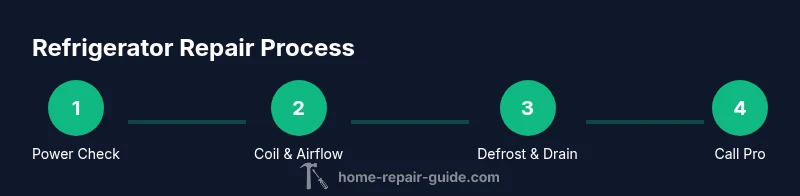
- 1
Unplug and prepare the workspace
Disconnect power from the wall outlet and move perishables away from the area to prevent spoilage. Create a clear space around the refrigerator to access the back panel and doors safely. This initial step reduces risk and gives you a stable area for inspection.
Tip: Use a helper for moving the fridge if it is heavy to prevent back injuries. - 2
Verify power at the outlet
Plug a simple device into the outlet to confirm it has power, or use a multimeter/outlet tester to verify voltage. If the outlet is dead, check the circuit breaker or GFCI reset and reset the breaker if needed. Do not proceed with further checks until power is confirmed.
Tip: If the outlet isn’t live, fix the electrical issue or relocate to a working outlet before continuing. - 3
Inspect the door seals for gaps
Carefully examine the door gasket for cracks, tears, or compression that allows warm air in. Clean the gasket and test its seal by closing the door on a dollar bill; if it slides out easily, the seal needs replacement. A good seal improves cooling efficiency and reduces frost buildup.
Tip: Replace worn gaskets promptly to prevent energy waste and food spoilage. - 4
Clean the condenser coils
With the unit unplugged, use a soft brush or vacuum to remove dust from the condenser coils, especially if the front grille is accessible. Dirty coils force the compressor to work harder, increasing energy use and reducing cooling performance. After cleaning, recheck airflow around the unit.
Tip: Do not use a metal brush near coils; metal can damage fins. - 5
Check the defrost drain and interior airflow
Inspect the defrost drain for clogs and clear it with a flexible rod or thin wire. Ensure the evaporator fan is unobstructed when the unit runs. Proper airflow is essential for even cooling and preventing frost on the evaporator.
Tip: If you see standing water, gather it with towels and test after the defrost cycle. - 6
Reassemble, power on, and observe
Reconnect power and monitor the refrigerator for proper cooling and quiet operation. Listen for unusual noises that could point to a failed fan, motor, or compressor. Keep an eye on internal temperatures over the next several hours to confirm stabilization.
Tip: If the unit doesn’t reach the expected temperature after 4–6 hours, plan a professional diagnosis. - 7
Document symptoms and outcomes
Record the exact symptoms you observed, including times, noises, and temperature readings. Photograph labels and model numbers for quick reference during a repair call. Clear notes help a technician diagnose more quickly and accurately.
Tip: Include photos of the back coils and door gaskets if possible. - 8
Decide on next steps
If symptoms persist after DIY checks, contact a local refrigerator repair near me with your documented findings. Request a written estimate and compare with another local pro. Decide whether to proceed with a focused repair or a full replacement depending on age, cost, and energy efficiency.
Tip: Ask about warranties on parts and labor and whether a diagnostic fee is credited toward the repair.
FAQ
What does it mean to search for refrigerator repair near me?
Searching locally helps you find technicians who can arrive quickly, understand regional service norms, and provide faster follow-up if needed. Reading reviews and checking licenses improves trust before booking.
Locally sourced technicians are faster to respond and can provide follow-up support if issues recur.
How can I tell if a fridge issue is urgent?
Urgent issues include frequent warm air from the interior, continuous water leaks, unusual burning smells, or a failure to cool during peak hours. If food safety is compromised, treat it as urgent and seek immediate service.
If food is spoiling quickly or you hear strange noises, contact a technician right away.
What should I ask a tech before they start?
Ask about licenses and insurance, estimated timelines, warranty terms for parts and labor, and whether diagnostic fees apply. Request a written estimate with itemized costs before any work begins.
Clarify licenses and warranties, and get a written estimate before work starts.
Are DIY fridge checks safe for a malfunctioning unit?
Simple checks like unplugging for safety and cleaning coils are generally safe. Avoid opening sealed refrigerant lines or handling electrical components beyond basic inspection. If in doubt, call a professional.
Stick to safe checks and don’t handle refrigerants yourself.
How long does fridge repair typically take?
Repair duration varies by issue, parts availability, and service scheduling. A straightforward fix may take a few hours, while more complex repairs could require additional visits.
Most repairs fit within a few hours, but some may need a follow-up.
Will repairs be covered by warranty?
Some repairs and parts carry warranties from manufacturers or service providers. Check what is covered, the duration, and whether the warranty transfers if you sell the unit.
Warranties vary—confirm coverage with the technician before approving work.
Watch Video
Key Takeaways
- Identify symptoms early to avoid unnecessary visits.
- Choose local pros based on credentials and reviews.
- Keep a detailed service log for warranty and future maintenance.
- Regular maintenance reduces the chance of major breakdowns.