Rock Chip Repair: A DIY Windshield Guide
Learn to repair small windshield rock chips using a DIY resin kit. This comprehensive guide explains when to repair vs replace, essential tools, step-by-step actions, safety notes, and indicators that tell you when professional help is needed.


Rock chip repair is a DIY-friendly technique to restore a small windshield ding before it spreads. In this guide you’ll learn when to repair versus replace, what tools you need, and the exact steps to fill and seal a chip safely. We cover safety, surface prep, resin application, curing times, and when to seek professional help.
What is rock chip repair and why it matters
Rock chip repair refers to filling and sealing a small chip or ding in the windshield glass to halt crack propagation. Using a resin-based repair kit, you can restore structural integrity and improve visibility. According to Home Repair Guide, early DIY repair can prevent costly windshield replacement, especially for chips smaller than a coin in the field of view. The repair work helps stabilize the glass and can buy time before a full windshiled replacement is required, particularly in climates with large temperature swings or frequent road vibrations. Understanding this process empowers homeowners to make timely decisions and avoid delays that worsen damage.
The science behind windshield repairs and practical benefits
Windshield chips are not merely cosmetic flaws; they introduce stress points that can grow into larger cracks under thermal stress, road vibrations, or impact from debris. Rock chip repair uses a clear resin injected into the damaged area to fill micro-voids, bond the glass edges, and, when cured, create a smoother, more uniform surface. The practical benefits include improved visibility, reduced risk of crack propagation, and the potential to extend the life of the windshield. For many drivers, addressing a chip promptly reduces the likelihood of a costly replacement and keeps the vehicle road-ready.
Tools and materials: what you actually need
A successful repair depends on using the right tools and materials. Essentials include a windshield resin kit, a clean work surface, microfiber cloths, rubbing alcohol for surface prep, masking tape to isolate the area, gloves for cleanliness, and a curing method (either sunlight or a dedicated UV light). Optional items like a razor blade or plastic scraper help remove excess resin and create a smooth finish. The right kit should include clear instructions and compatible curing options to match your climate and vehicle use.
Surface prep and environmental considerations
Preparation is critical. Start by cleaning the area around the chip with rubbing alcohol and a microfiber cloth to remove dust and oils. Dry the surface completely, then tape around the chip to prevent resin from spreading to healthy glass. Avoid repairing in direct, intense sunlight or in very cold temperatures, as these conditions can affect resin viscosity and curing rates. If rain or high humidity is present, postpone the repair to maintain resin effectiveness and ensure a clean, dust-free surface.
Step-by-step overview (the detailed steps follow in the STEP-BY-STEP section)
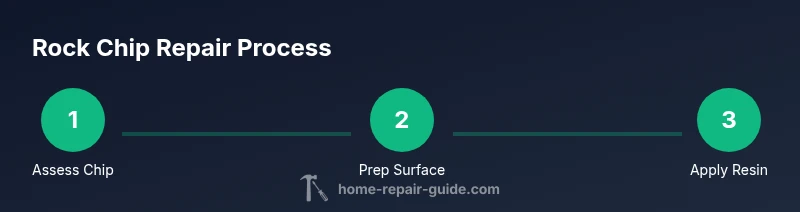
This section provides context for each action in the step-by-step process. You’ll verify chip size and position, set up the workspace, mix or load the resin according to kit instructions, apply resin carefully into the damaged area, and then cure. The exact timing for curing depends on the product and environmental conditions, so always consult the kit’s directions and allow any specified dwell time before removing protective tape. A successful repair should leave a relatively smooth, clear surface with no visible air bubbles.
Maintenance and prevention after repair
After completing a rock chip repair, monitor the area for changes in visibility or cracking. Avoid slamming doors or sudden temperature shifts that can stress the windshield. Regular cleaning with a gentle glass cleaner helps maintain clarity, while applying a protective film or color-matched windshield treatment may reduce future damage from road debris. If new chips appear or cracks spread beyond the repaired area, consider professional evaluation to determine whether replacement is necessary.
Tools & Materials
- windshield resin repair kit(Should include resin syringe, curing strips, and instruction sheet)
- microfiber cloths(Lint-free for surface prep and cleanup)
- isopropyl alcohol (70–90%)(For cleaning the chip and surrounding glass)
- masking tape(To isolate the repair area and prevent overflow)
- gloves(Protect hands from resin and solvents)
- razor blade or plastic scraper(Optional for removing excess resin after curing)
- UV light or sun exposure(Some kits cure with UV; if not, rely on ambient curing time)
- flashlight or magnifier(Good for inspecting the chip edge and air bubbles)
Steps
Estimated time: 30-60 minutes (plus curing time as per kit)
- 1
Inspect the chip
Carefully assess the chip size, depth, and location. If the chip is deeper than you can see or directly in the driver’s line of sight, seek professional advice. This step helps determine if a DIY repair is viable.
Tip: Document the chip with a photo in case you need professional assessment later. - 2
Clean the area
Wipe the area around the chip with isopropyl alcohol on a microfiber cloth. Remove any dust, oil, or debris to ensure resin adheres properly. Let the surface dry completely before proceeding.
Tip: Avoid touching the immediate chip with bare fingers to prevent oils from transferring. - 3
Mask and prep
Apply masking tape around the chip to keep resin from spreading beyond the damaged area. If the kit requires mixing, prepare the resin components exactly as directed.
Tip: Use a steady hand and work in a well-lit area to avoid air bubbles. - 4
Apply resin into the chip
Fill the damaged area with the resin using the provided applicator. Do not overfill; you want a level surface once cured. Remove any large air pockets gently with the applicator.
Tip: Apply in thin layers if the kit recommends multi-step filling. - 5
Cure the resin
Allow the resin to cure according to the kit instructions. This may involve UV exposure or ambient curing time. Do not touch or disturb the area during cure.
Tip: If using UV, avoid direct skin exposure and follow safety guidelines. - 6
Finish and inspect
Once cured, remove tape and inspect the repair. Use a razor or scraper to level any excess resin if needed and wipe with a clean cloth. The surface should be clear and smooth with no visible bubbles.
Tip: Test visibility from typical driving angles to confirm it’s acceptable.
FAQ
What is rock chip repair and when is it appropriate?
Rock chip repair is a method to fill small windshield damage so it doesn’t spread. It’s appropriate for chips typically smaller than a coin and not in the driver’s line of sight. If you’re unsure about depth or placement, consult a professional.
Rock chip repair fills small windshield damage to prevent spreading. It’s best for chips not in the driver’s line of sight; seek a pro if you’re unsure about depth.
Can I perform rock chip repair myself?
Yes, for small, non-structural chips you can attempt a DIY repair with a resin kit. Follow the kit instructions precisely, maintain a clean workspace, and cure under the recommended conditions. If you notice any cracking or the chip enlarges, stop and seek professional help.
Yes, you can DIY for small chips with a resin kit. Follow the instructions, keep things clean, and cure as directed.
How long does resin curing take?
Curing time varies by product and environment. Follow the kit’s directions; some cures occur under UV light, while others require ambient curing. Do not rush the process and avoid disturbing the area until fully cured.
Curing times depend on the product and conditions. Follow the kit’s directions and avoid touching the area until cured.
What if the chip turns into a crack after repair?
If cracks propagate beyond the repaired area, or if the windshield shows structural damage, replacement is typically recommended. A DIY repair may slow spread but cannot guarantee full structural integrity in larger cracks.
If cracks spread, replacement is usually safer. DIY repairs may slow spread but aren’t a guarantee for large cracks.
How much does professional rock chip repair cost?
Professional repair costs vary by location and damage size. Many factors influence price, including accessibility and whether multiple chips are present. Check local shop quotes and insurance coverage for options.
Prices vary by location and damage; check quotes and insurance options to compare.
Watch Video
Key Takeaways
- Assess chip size and placement before repairing
- Use a proper resin kit with clear instructions
- Follow curing times precisely for a durable seal
- Monitor the area for crack propagation and seek pro help if needed