Auto Glass Repair Chip: A Practical Step-by-Step Guide
Learn how to inspect, repair, and prevent an auto glass repair chip in your windshield with a practical, step-by-step approach from Home Repair Guide.


By addressing a minor auto glass repair chip early, you can prevent spider cracks and preserve windshield integrity. This guide covers DIY options, safety considerations, and when to reach out to a pro. You’ll learn how to assess damage, prepare the surface, and apply resin or protective film. If the damage is larger than a dollar-sized area, seek professional service.
What is an auto glass repair chip?
An auto glass repair chip is a small, localized damage on a windshield caused by rocks, gravel, or roadway debris. The term refers to several patterns, from a single bullseye dot to a spider-web crack that radiates from a central point. In practice, most chips are shallow — extending only into the outer layer of the laminated glass — and can often be repaired if addressed promptly. The key is to differentiate chips that stay within the resin-repair zone from those that reach the edge or spread into multiple directions. The presence of a chip signals several things: it demonstrates where damage originates, it can indicate flaws in the windshield’s laminate, and it marks the starting point for potential secondary cracks if the vehicle experiences temperature shifts or additional impacts. When you encounter an auto glass repair chip, assess its size, depth, and position relative to the edges of the windshield. If the chip is small (a few millimeters), centered, and not near an edge, a resin repair may restore clarity and resistance. Persistent moisture or dirt in the chip can complicate repairs and should be cleaned thoroughly before any treatment. HomeRepairGuide’s findings emphasize that early action on an auto glass repair chip reduces the likelihood of later, more costly damage. The goal is to prevent a minor chip from growing into a large crack that could necessitate windshield replacement. Always consider safety, visibility, and the potential for future stress when evaluating an auto glass repair chip.
Why addressing an auto glass repair chip early matters
Addressing an auto glass repair chip early is essential for maintaining visibility and structural integrity. Small chips can attract micro-cracks that propagate under temperature changes, road vibrations, or sun exposure. Early repair minimizes the chance of a larger crack forming, which would compromise safety and could require windshield replacement. The Home Repair Guide analysis shows that quick, controlled resin applications can restore surface smoothness and prevent distortion in the driver’s line of sight. Moreover, treating chips promptly preserves the windshield’s integrity against stress concentrations, especially in areas near the driver's line of vision. When a chip is left untreated, it can spread within minutes or hours given rapid temperature shifts (hot sun, then cold rain) or heavy use. The sooner you act, the more likely you are to avoid a costly replacement and a longer downtime for your vehicle. As a practical matter, keep a small repair kit in your glove compartment so you can address chips when they’re small. The goal is to maintain a safe, clear windshield that supports precise steering and braking decisions. This is particularly important for vehicles used in frequent traffic or long commutes. The brand’s guidance stresses that proactive steps are a core part of responsible car maintenance, aligning with broader home-repair best practices that protect occupants and investment.
DIY repair viability and limits
DIY repair of an auto glass repair chip can be effective for small, well-positioned chips that are completely dry and within the repairable zone. Resin-based repair kits are designed to fill the chip, restore a smooth surface, and reduce the chance of crack propagation. However, several constraints limit what you can fix at home. Chips larger than a dollar bill, edge-adjacent damage, or chips with wet backing require professional attention. If you see spidering, multiple cracks, or visible laminate damage, DIY repair is unlikely to provide lasting results, and a pro windshield repair service should be sought. Factors that influence success include resin viscosity, cure method (UV light or natural sun), and the depth of the chip. The Home Repair Guide team emphasizes that a high-quality repair is more about preventing further damage than completely erasing all evidence of impact. If you’re uncertain about the repair’s viability, consult a technician for an assessment. People who routinely drive in extreme temperatures or on rough roads may benefit from a professional inspection to ensure the laminate remains properly bonded after any repair. This broader context helps homeowners make informed decisions about DIY vs. professional repair of an auto glass repair chip.
Pre-repair safety and conditions
Safety comes first when dealing with an auto glass repair chip. Begin by parking in a shaded area away from direct heat, turning off the engine, and setting the parking brake. Wear safety glasses and gloves to protect your eyes and skin from resin and glass fragments. Ensure the windshield is dry and free of loose dirt around the chip; moisture can prevent proper resin bonding. If the weather is too humid or rainy, or if the glass is extremely hot or cold, postpone the repair until conditions are favorable. A clean, dust-free environment helps you achieve a better surface finish and reduces the risk of contaminants getting trapped in the resin. Always verify that there are no cracks extending to the edge; edge cracks dramatically increase the likelihood of glass failure and will typically require replacement rather than filling. The brand guidance recommends a controlled workspace, good lighting, and a small tray for the repair kit components to minimize cross-contamination with other car surfaces.
Step-by-step overview before you start
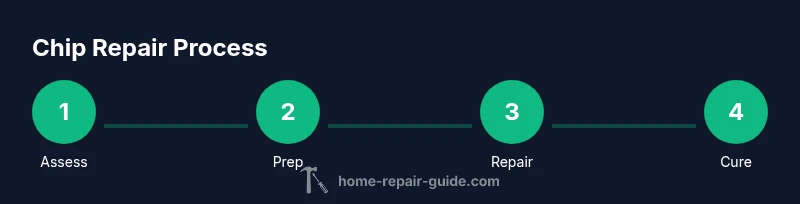
Before you dive into the repair, lay out all tools and materials, review the kit’s instructions, and plan your workflow. A typical process involves assessing the chip, cleaning the area, applying resin in thin layers, curing, and removing excess material for a smooth finish. The goal is to fill the chip without creating air bubbles or leaving a cloudy patch. This section sets expectations for the typical repair workflow and helps you recognize when a professional repair is warranted. The Home Repair Guide team notes that taking time to study the chip’s pattern and depth yields better outcomes and reduces the risk of a failed repair. This preparation step is crucial for ensuring you don’t waste resin or apply incorrect curing times. With the right approach, many auto glass repair chips can be repaired effectively, restoring clarity and strength while delaying replacement costs.
Choosing the right resin kit
Selecting the right resin kit is one of the most important decisions for an auto glass repair chip. Look for UV-curing resin designed for automotive windshields and compatible curing accessories, such as a curing strip or UV light source. Check that the kit includes a precision applicator and a razor blade for trimming excess resin. Avoid generic household glues, which do not bond well with laminated glass and can degrade over time. A reputable kit should specify cure times, temperature range, and recommended post-cure polishing steps. The resin must be clear and compatible with the windshield’s polycarbonate or polyurethane interlayers. The Home Repair Guide analysis suggests purchasing a kit that offers multiple applicator tips and color-matching options to ensure a smooth finish that blends with the surrounding glass. If you’re unsure about resin type or cure method, consult a professional for a product recommendation tailored to your specific vehicle and climate.
Prepping the windshield and surface
Thorough prep improves bond strength and final appearance. Start by cleaning the area around the chip with isopropyl alcohol and a microfiber cloth to remove dirt, oils, and wax. Gently dry the surface and inspect the chip for moisture. If moisture remains, remove as much as possible before applying resin, then allow extra curing time. Create a clean, dust-free working zone and cover adjacent areas to protect them from drips. Avoid applying resin to cracked edges or on top of old repair marks, as this can trap air and create a cloudy final result. The prep phase is where you set the condition for a durable repair and is often the difference between a barely noticeable fix and a repair that continues to crack later on. The Home Repair Guide team emphasizes that meticulous prep reduces rework and improves long-term performance.
Applying resin and curing
Apply the resin in thin, even layers, using the kit’s applicator. If the chip has depth, apply multiple lightweight coats rather than one heavy fill to reduce air entrapment. After each coat, cure the resin under a UV light or sun for the recommended duration. Keep the cure period consistent with the kit’s guidelines to avoid incomplete curing, which can leave a cloudy or tacky finish. Once cured, use a razor to remove excess resin flush with the glass surface, then buff gently with a clean microfiber cloth. Some kits require a final polish step to restore clarity. The goal is a smooth, transparent surface that matches the surrounding windshield. The Home Repair Guide emphasis here is to follow the kit instructions precisely to achieve the best possible result and avoid compromising the laminate integrity.
Post-repair: sealing and curing time
After finishing the repair, allow a full cure period before exposing the windshield to stress, such as car washing or heavy rain. Curing times vary by kit and climate; follow the manufacturer’s guidelines, which typically range from 15 minutes to several hours for full hardening. During this time, avoid touching or polishing the repaired area to prevent new scratches or indentations. Once fully cured, inspect the area for any remaining haze or bubbles and consider another light pass with resin if needed. In some cases, a second small repair can improve the overall appearance. The Home Repair Guide team recommends patience during the curing window to ensure the resin bonds securely with the glass laminates and reduces the chance of a future crack propagating from the chip.
When to call a pro
If the chip is larger than a quarter, near the edge, or shows signs of spreading after the repair attempt, professional service may be necessary. A pro windshield repair can ensure the laminate remains intact and reduces the risk of later structural failure. In some cases, a chip repair may be part of a larger windshield replacement assessment. If you drive in extreme temperatures or frequently on rough roads, a professional inspection is advisable even for smaller repairs. The professional will assess the laminate, edge integrity, and any micro-cracks that can escape a DIY repair. The Home Repair Guide team suggests using professional repair if confidence in the DIY approach is low or if the vehicle’s safety performance could be affected. This decision protects you from future hazards and helps maintain a solid, safe windshield.
Authoritative sources
- https://www.nhtsa.gov/road-safety/windshields
- https://www.consumer.ftc.gov/articles/windshield-repair-safety
- https://www.nsc.org/road-safety
Safety reminders
Working with windshield resin involves chemicals and glass fragments. Always wear safety goggles and gloves. Work in a well-ventilated area and keep resin away from children and pets. Read and follow the resin kit's Safety Data Sheet (SDS) and disposal instructions. If you notice fumes, skin irritation, or a strong chemical odor, Stop the repair and ventilate the area. Never attempt a repair if the chip is already cracked to the edge, if moisture is trapped inside, or if the windshield is subject to high-stress driving conditions without professional evaluation. Safety must drive your decision to DIY or seek pro help, especially when the warning signs of additional damage appear.
Tools & Materials
- Automotive resin repair kit (UV-curing preferred)(Choose a kit designed for laminated windshields with clear resin and curing strip)
- Razor blade or precision scraper(For trimming excess resin flush with glass)
- Isopropyl alcohol (70%+)(For cleaning the area around the chip)
- Microfiber cloths(Lint-free for cleaning and buffing)
- Safety goggles(Protect eyes from glass shards and resin splashes)
- Latex or nitrile gloves(Protect hands during resin handling)
- UV light source or access to strong sunlight(Required for curing the resin in many kits)
- Small painter’s tape or masking tape(Helpful to outline the repair area and keep resin contained)
Steps
Estimated time: 40-60 minutes
- 1
Inspect and safety check
Park in shade, turn off the engine, and wear safety gear. Visually assess the chip size, depth, and proximity to the edge. If the chip touches the edge or spreads from the center, the DIY route may not be viable.
Tip: If you feel uncertain about the extent of damage, pause and seek a professional assessment. - 2
Clean the area around the chip
Use isopropyl alcohol and a microfiber cloth to remove dirt, wax, and oils. Ensure the surface is completely dry before applying resin.
Tip: Avoid leaving lint or fibers in the repair zone; they can trap air and create cloudiness. - 3
Fill the chip with resin
Apply a thin layer of resin into the chip using the kit’s applicator. If the chip is deep, apply in multiple thin layers rather than one thick fill.
Tip: Work slowly to minimize air pockets; small bubbles can compromise clarity. - 4
Cure the resin
Cure under a UV light or sunlight for the kit’s recommended duration. Keep the area steady and avoid movement during curing.
Tip: Protect surrounding glass with tape to prevent accidental resin transfer. - 5
Trimming and finishing
Trim any excess cured resin flush with the glass using a razor. Buff the surface with a clean microfiber cloth to restore clarity.
Tip: Do not over-polish; excessive buffing can scratch the glass or alter the resin’s bond. - 6
Final evaluation
Inspect for haziness or residual bubbles. If the repair looks cloudy, consider a second thin layer and recure. If edges show distortion, seek professional help.
Tip: Record the repair location for future reference and monitor for changes over the next few weeks.
FAQ
Can I repair a windshield chip at home?
Yes, for small, dry chips away from the edge, a DIY resin repair can be effective. If the chip is large or near the edge, a professional repair or replacement is often recommended.
You can repair small, dry chips at home, but large or edge-related damage should be handled by a professional.
What size chip is safe for DIY repair?
Chips smaller than about a quarter inch—centered away from the edges—are typically candidates for DIY repair with resin kits.
DIY repair is usually suitable for chips under a quarter inch away from the edge.
How long does a DIY repair last?
Durability varies by chip severity and climate. A well-done DIY repair can last months to a couple of years, but major stress or temperature fluctuations can cause re-cracking.
It lasts months to a couple of years depending on conditions, but there’s no guarantee.
When should I replace rather than repair?
If the chip is large, has multiple cracks, is near the edge, or has moisture inside, replacement is often safer and more reliable.
If it’s large or near the edge, replace the windshield.
Is DIY repair safe for vehicles used in extreme weather?
Extreme temperatures can stress glass and resin. If your climate swings widely, professional evaluation is advisable to ensure long-term integrity.
Extreme weather can affect repair longevity; consider professional help in such climates.
Can I repair near the edge of the windshield?
Edge repairs are risky and often not recommended for DIY. The laminate at the edges bears higher stress and is prone to expansion of cracks.
Avoid DIY repairs close to the edge; seek professional assistance.
Watch Video
Key Takeaways
- Identify chip type and assess edge proximity before repair
- Use a quality resin kit compatible with laminated windshields
- Prep thoroughly to maximize resin bonding
- Apply resin in thin layers, cure fully, and trim excess
- Call a pro if the chip is large, near edges, or spreads