Repair Window: A Practical Step-by-Step Guide
Learn to repair window problems safely and effectively. This Home Repair Guide article covers diagnosis, essential tools, step-by-step actions, and maintenance to reduce drafts and improve energy efficiency.


Goal: You will learn how to repair window damage to stop drafts, improve insulation, and restore smooth operation. This guide from Home Repair Guide covers common issues—squeaky sashes, stuck balance systems, damaged weatherstripping, and leaks—and provides safe, step-by-step instructions. By following these steps, you’ll be able to repair window components with everyday tools and preserve energy efficiency in your home.
Understanding Window Anatomy
Windows consist of several parts that influence operation and sealing: the sash, the frame, the balance system, the glazing, and the weatherstripping. The sash holds the glass and moves within the frame. The balance system (spiral balances, block-and-tackle balances, or springs) counteracts the weight of the sash to keep it open. Weatherstripping creates a seal around the perimeter to block drafts. In older homes, glazing compound and sash cords can play roles in failures. Knowing how these parts interact helps you locate the source of failure, whether it is a draft along the edge, a sticky sash, or a gap at the corner. When planning repairs, start with a visual check and then test the operation to feel where resistance occurs. If you notice condensation between panes, you may be dealing with failed double glazing, which often requires replacement rather than repair. Throughout this section, follow safety guidelines from Home Repair Guide and approach each task with care.
Diagnosing Common Window Problems
Common window problems fall into a few categories: air leaks, sticking sashes, broken balances, glazing failure, cracked glass, and moisture intrusion. Start by performing a simple air test: run a piece of tissue along the frame to see where air flows. Look for gaps at the meeting rail, sashes, and weatherstripping; check the glass for cracks or condensation between panes. If a sash is hard to move, the balance or rollers may be worn. Condensation between panes usually indicates a failed seal in double-paned units. Note that if the frame has rot or significant warping, a repair may not restore function and replacement could be the better option. By accurately diagnosing the problem, you can select a repair plan that preserves energy efficiency and aesthetic value.
Planning Your Repair: When to Fix vs Replace
Not all window issues are repairable. Minor weatherstripping wear and loose sash stops are typically fixable with basic tools, while structural frame rot, glass breakage, or failed double-pane seals often require replacement. Consider the window type (single-hung, double-hung, or casement) and the cost of parts versus a full unit. If you rent, check your lease for modifications and maintenance responsibilities. For older wood windows, upgrades like weatherization, paint stabilization, and reglazing can extend life, but be mindful of lead paint risks on historic homes and follow safety guidelines. A well-planned repair focuses on energy efficiency, ease of operation, and durability. If in doubt, get a professional assessment from a licensed contractor. Home Repair Guide emphasizes using quality weatherstripping, proper glazing materials, and a careful restoration approach.
Assessing Safety and Prep Work
Safety comes first when repairing windows. Wear PPE: safety glasses, gloves, and sturdy shoes. Use a stable ladder or scaffold and never stand on furniture. Work with a partner when handling heavy sashes or glass fragments to prevent injuries. If you suspect lead paint on an older window, follow local regulations for removal and disposal. Clear the work area of furniture and cover floors with a drop cloth. Disconnect nearby power if you’re dealing with motorized windows or electrical hardware. Finally, review the plan and set a realistic timeline to avoid rushed, careless mistakes. A calm, prepared approach reduces the risk of injury and damage.
Choosing Materials for Weatherproofing and Glazing
Selecting the right materials is essential for a durable repair. For exterior sealing, use high-quality silicone or acrylic latex caulk designed for exterior use and compatible with your trim material. Weatherstripping comes in foam, vinyl, and rubber; choose the appropriate profile for your gap width and climate. For glazing, you may need glazing compound or glazing points for older panes, plus replacement glass if needed. If you replace glazing, consider storm windows or thermally broken glass options for energy efficiency. Keep color matching and UV resistance in mind. Finally, store materials in a dry place and label parts so they go back to the correct location—this speeds up reassembly.
What to Expect During Glass Replacement (if needed)
Glass replacement is delicate work. If a pane is cracked but intact, you may reglaze rather than replace the entire sash. For full pane replacement, remove the sash, carefully cut glazing compound, and detach the glass using glazing points or clips. Fit the new glass, secure with glazing points, and reapply glazing compound. Allow sealant to cure according to the manufacturer’s instructions. Clean up shards with a stiff brush and wear gloves during handling. If the window is leaded or has special glass, consult a pro. This step-by-step approach minimizes breakage and ensures a secure, weather-tight seal.
Common Mistakes to Avoid During Window Repairs
Rushing repairs often leads to wasted materials and poor seals. Avoid over-tightening screws, which can warp the frame or sash. Don’t mix incompatible sealants with paints or wood; always follow product instructions. Skipping surface prep, such as cleaning and drying, reduces adhesion and shortens seal life. Never ignore safety: cracked glass or loose balance hardware can cause injury. Finally, don’t assume replacement is always best—measure costs and energy savings to decide.
Scheduling and Maintenance After Repair
Create a simple maintenance plan: inspect weatherstripping twice a year, clean tracks, and lubricate hinges or balances as recommended. Re-paint or re-stain exterior wooden frames every few years to prevent rot. Keep an inventory of spare weatherstripping and glazing points. After finishing, test the window from multiple angles and monitor for drafts or moisture. A proactive maintenance routine extends the life of your window repairs.
Budgeting for Window Repairs
Budget planning for window repairs involves materials, tools, and potential professional help. For DIY repairs, estimate a local cost range for weatherstripping, caulk, sealant, and misc hardware. Include disposal costs for broken glass or old material, plus a small contingency for unplanned issues such as frame rot or glazing repairs. Compare the cost of repairing a single window to replacing the entire unit, considering energy efficiency gains. Home Repair Guide recommends building a simple cost checklist that captures parts, labor, and time.
When to Call a Pro: Final Considerations
Some situations benefit from a licensed professional. If the sash is heavy, the glass is tempered or double-pane with hazy seals, or there is structural damage in the frame, hire an expert. A pro can safely handle glazing, balance repair, and structural refinishing, ensuring warranty compliance and safety. If you’re unsure about lead paint, a pro can assess and provide proper disposal guidelines. For complex weatherproofing, or if you rent in a rental property, check your lease terms and local regulations.
Tools & Materials
- Measuring tape(minimum 10 ft)
- Putty knife(2-4 inch blade)
- Caulk gun(silicone or acrylic latex)
- Caulk (silicone or acrylic)(choose color to match trim)
- Weatherstripping (foam or rubber)(for gap sealing)
- Screwdriver set (flathead and Phillips)(sizes #2 or #3)
- Glazing compound or putty(for reglazing older panes)
- Glazing points or clips(for securing glass)
- Gloves(cut-resistant recommended)
- Safety glasses
- Ladder or stable step stool(use a helper for tall windows)
Steps
Estimated time: 2-4 hours
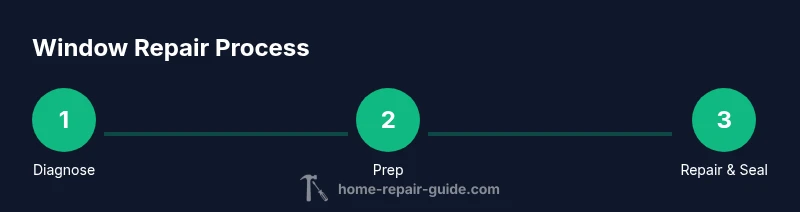
- 1
Inspect the window
Check for drafts, visible damage, and operating ease. Note the issue location (edge of sash, frame corners, or glass). This helps you choose a repair method and prioritize parts.
Tip: Take photos before disassembly to aid reassembly - 2
Gather tools and materials
Collect all essential items and arrange them within reach. Having everything at hand reduces trips to the toolbox and minimizes mistakes.
Tip: Organize by task to speed up the process - 3
Secure the work area
Place drop cloths on floors, remove nearby obstacles, and set up the ladder on a stable surface. Have a helper if handling heavy sashes.
Tip: Work with a partner when handling large panes - 4
Remove the sash if needed
Carefully detach the sash from the frame following manufacturer directions. Keep track of screws and stops for reassembly.
Tip: Label parts or take notes for easy return - 5
Address hardware and balances
Inspect balance systems, springs, rollers, and hinges. Replace worn parts or adjust tensions to restore smooth operation.
Tip: Do not overtighten balance screws - 6
Replace weatherstripping and glaze
Install new weatherstripping in the appropriate channels and restore glazing where needed. Ensure a tight seal without deforming the sash.
Tip: Test fit before final sealing - 7
Reinstall the sash and test
Place the sash back, test opening/closing, and verify alignment. Look for air leaks during operation and adjust as needed.
Tip: Operate from multiple angles to catch misalignments - 8
Seal interior and exterior edges
Apply caulk along exterior and interior seams where appropriate to block drafts. Smooth the bead for a clean finish.
Tip: Wipe excess sealant before it cures - 9
Final checks and cleanup
Clean glass, wipe away excess sealant, and dispose of debris safely. Recheck for drafts with a tissue test and proper lighting.
Tip: Leave a maintenance note for future care - 10
Schedule maintenance
Set a date for seasonal inspection of weatherstripping and tracks to extend life of the repair.
Tip: Create a simple yearly maintenance calendar
FAQ
What are common signs a window needs repair?
Common signs include drafts, sticking sashes, condensation between panes, and visible gaps around the frame. Cracked glass or a hard-to-use window are also indicators. Start by mapping the symptom to a likely cause before choosing a repair approach.
Common signs include drafts, sticking sashes, and condensation between panes, which point to sealing or balance issues.
Should I repair a window myself or hire a professional?
Minor fixes like weatherstripping and sealant can often be DIY. Structural damage, large glass replacements, or warped frames usually benefit from a professional assessment to ensure safety and warranty coverage.
Small repairs can be DIY, but big problems are best left to a pro to ensure safety and proper results.
What is weatherstripping and why is it important?
Weatherstripping creates a tight seal between the sash and frame, blocking drafts and reducing energy loss. It wears out over time, so periodic replacement is a simple, cost-effective improvement.
Weatherstripping seals gaps to stop drafts and save energy.
How long does a window repair take?
Most DIY repairs take a few hours for a single window, depending on the issue and whether glass replacement is needed. Larger jobs or added glazing can extend time, especially if professional help is involved.
Most DIY repairs take a few hours for one window; more complex jobs may take longer.
Is reglazing necessary for double-pane windows?
Double-pane units with a failed seal typically require replacement rather than reglazing. Reglazing is more common on single-pane or historic windows needing restoration.
Double-pane seals failing usually mean replacing the unit rather than reglazing.
What safety gear should I use?
Wear safety glasses, work gloves, and sturdy shoes. Keep a stable ladder and clear the area of trip hazards to prevent injuries.
Always wear safety glasses and gloves and use a stable ladder.
Watch Video
Key Takeaways
- Identify root cause before repairing
- Choose appropriate weatherstripping and sealant
- Test window operation after each fix
- Prioritize safety and ladder stability