Double Pane Windows Repair: A Practical Step-by-Step Guide for Homeowners
Learn how to diagnose and perform a safe double pane windows repair, including seal replacement, weatherproofing, and post-test checks. Home Repair Guide provides practical, cost-conscious instructions for homeowners to extend window life and improve energy efficiency.


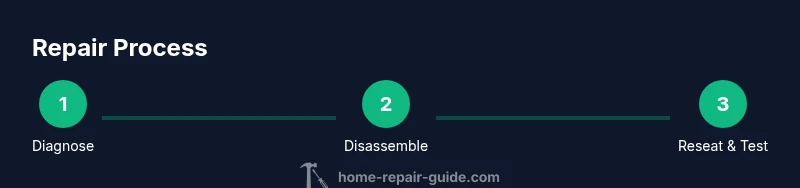
In this guide, you’ll learn a safe, durable double pane windows repair process: assess seal failure, prepare the frame, reseal or replace the IGU as needed, and test for leaks and drafts. You’ll need basic hand tools, PPE, and replacement materials. The steps below cover inspection, disassembly, seal replacement, reassembly, and verification for lasting performance.
What a double pane window is and why seals fail
Double pane windows, also known as insulated glazing units (IGUs), trap air or inert gas between two panes for energy efficiency. Over time the edge seal can deteriorate due to temperature changes, movement, or improper installation. When the seal fails, you may notice persistent condensation between panes, drafts, fogging, or reduced insulation. According to Home Repair Guide, recognizing these signs early lets you decide between repair versus replacement and prevents further energy loss. Understanding the failure helps homeowners plan the right approach, avoid costly mistakes, and preserve home comfort.
Key takeaway: A failed edge seal is the most common cause of fogging and energy loss in double pane windows, not a single cracked pane alone.
Feasibility and cost considerations
Repairing a double pane window is not always cost-effective. If the IGU is severely fogged, the spacer is corroded, or gas has escaped, replacement of the IGU or the entire sash may be required. Home Repair Guide’s analysis emphasizes weighing the cost of professional resealing or IGU replacement against window age, frame condition, and energy goals. For many homeowners, minor seal repairs paired with weatherproofing can improve comfort without a full window replacement.
Note: Labor costs vary by region and window type; always get a written estimate if you’re unsure.
Safety first: when to DIY and when to call a pro
DIY repairs are feasible for minor seal failures on common residential frames, provided you can safely access the glass and handle glazing materials. If a pane is cracked, the sash is hard to remove, or you lack PPE and proper containment for broken glass, stop and call a licensed professional. The Home Repair Guide team stresses that safety should always come first, especially when dealing with heavy glass and glazing compounds near edges.
Intro to safety gear: safety glasses, cut-resistant gloves, and sturdy footwear are essential. Use a drop cloth and tape over the surrounding area to catch glass shards.
Common failure modes and how to identify them
- Edge seal deterioration: visible gaps or fog between panes.
- Gas loss: reduced insulating performance, more noticeable in extreme weather.
- Moisture intrusion: persistent condensation even after drying the interior.
- Frame issues: warping or loose fasteners that compromise seal integrity.
If you detect multiple issues, planning a comprehensive repair or replacement is prudent to avoid repeated fixes. The Home Repair Guide team notes that proper diagnosis reduces repeat visits and preserves energy efficiency.
Aftercare and ongoing maintenance
Once a repair is completed, protect the edge seal with proper sealant/caulk and weatherstripping, then monitor for new condensation. Regular cleaning of the frame and glass helps you spot seal degradation early. The longer you delay resealing, the higher the risk of moisture buildup and energy loss.
Maintenance cadence: inspect seals annually, reseal every 5–10 years or as recommended by the window manufacturer, and address draft points around the frame with weatherstripping.
When a repair may not be the best option
If multiple IGUs fog up, frames are structurally damaged, or the sash is difficult to remove, replacement may be more economical and reliable in the long run. In high-performance homes, upgrading to modern energy-efficient units can yield better comfort and payback over time. The Home Repair Guide team encourages homeowners to compare repair costs against full-window efficiency improvements.
toolsMaterialsIntro":"Before you start, gather essential items and PPE to keep the project safe and efficient.","stepByStepIntro":"The following steps provide a practical workflow for a homeowner-friendly double pane windows repair. Each step is a discrete action you can complete in one sitting, with safety and testing built in."],
toolsMaterialsIntro
stepByStepIntro
Tools & Materials
- Safety goggles(Impact-resistant, ANSI-rated; keep a spare pair handy.)
- Work gloves (cut-resistant)(Protect hands from glass and sharp edges.)
- Dust mask or respirator(For dust and sealant fumes in enclosed spaces.)
- Measuring tape(To verify IGU dimensions and replacement needs.)
- Utility knife(For scoring old glazing compound and trimming sealant.)
- Caulk gun(For applying exterior silicone sealant or glazing compounds.)
- Silicone sealant (neutral cure)(Use exterior-grade silicone for weatherproofing.)
- Acrylic glazing compound or putty(Optional if resealing with glass putty is preferred.)
- Glazing points or spacer beads(Helps hold the IGU in place during resealing.)
- Replacement IGU or glass pane(Only if you are replacing the insulated glass unit.)
- Painter’s tape and drop cloths(Protects surrounding surfaces during repairs.)
- Gloves for glass handling(Avoid fingerprints and cuts when handling panes.)
- Plastic scraper or putty knife(For removing old glazing compounds without damaging glass.)
- Isopropyl alcohol and lint-free cloths(Clean edges and remove residue from frames.)
Steps
Estimated time: 60-120 minutes
- 1
Inspect and measure the IGU
Begin by examining the window for fogging, condensation, or damaged seals. Carefully remove the sash if needed to access the IGU and measure the glass and spacer dimensions. Accurate measurements prevent ordering errors and ensure a proper seal once reassembled.
Tip: Take photos of the window before disassembly to document the original arrangement. - 2
Remove sash and prepare work area
Carefully lift and support the sash, then place it on a padded surface. Protect surrounding surfaces with drop cloths and painter’s tape. Use a utility knife to separate old sealant from the frame edge without gouging the wood or vinyl.
Tip: Keep track of any glazing points or clips so you can reinstall them correctly. - 3
Clean the edge and inspect the IGU
Wipe the glazing edge and frame with isopropyl alcohol to remove oils and dust. Inspect the IGU edge for nicks or corrosion on the spacer; these indicate whether resealing is viable or if a full IGU replacement is warranted.
Tip: A clean edge improves sealant adhesion and longevity. - 4
Replace spacer and desiccant (if needed)
If the spacer is damaged, replace it with a compatible spacer and add fresh desiccant inside the IGU. This helps reduce future fogging after resealing. Do not overfill, which can exert pressure on the glass.
Tip: Desiccant must be dry before sealing to prevent moisture entrapment. - 5
Apply new sealant and reseal the IGU
Apply a continuous bead of exterior silicone along the frame edge. Reinsert glazing points as needed and press the IGU back into place. Finish by applying sealant along the outer edge, smoothing for a clean, watertight seal.
Tip: Avoid gaps and air bubbles; smooth with a moistened finger or tool for a uniform seal. - 6
Reassemble and test for leaks
Reattach the sash, operate to check smooth operation, and run a basic leak test using a light spray of water along the seam. Look for drips and ensure the seal remains intact. Wipe away excess sealant after curing.
Tip: Cure time varies; check the sealant package for recommended times before exposure to rain. - 7
Evaluate energy performance and plan maintenance
After sealing, monitor fogging and drafts for several days. If fogging returns, plan for IGU replacement or consider upgrading to energy-efficient units. Document the repair for future service intervals.
Tip: Keep a maintenance log to simplify future DIY repairs or pro consultations.
FAQ
Can I fix a failing double pane window myself?
Yes, for minor edge-seal failures and accessible frames, a cautious homeowner can reseal and weatherproof. Severe fogging, gas loss, or damaged frames usually require a professional or window replacement.
Yes, you can DIY small seal fixes if you follow safety steps and don’t attempt to reseal heavily damaged units.
How long does a typical double pane windows repair take?
A typical DIY reseal and weatherproofing takes about 1–2 hours per window, depending on access and sash removal. Complex IGU replacements can take longer and may require professional service.
Most fixes fit into a 1 to 2 hour window per window, with longer times if the sash is difficult to remove.
Is it cheaper to repair or replace double pane windows?
Repair costs can be lower for small seal fixes, but when gas loss or multiple panes are involved, replacement may offer better long-term energy savings. Compare labor, materials, and expected life.
It depends on the extent of the damage; repairs are cheaper upfront, but replacements can provide longer-term energy savings.
What safety concerns should I know about this repair?
Work with glass can be hazardous. Always wear PPE, secure the area, and avoid working on elevated sills or ladders if unstable. If the glass is cracked or the frame is warped, call a pro.
Glass work is risky; if you’re unsure, get help to prevent injuries.
Will resealing restore energy efficiency?
Resealing can restore much of the original insulating performance if the IGU isn’t significantly degraded. For older units, a full replacement often yields the best long-term energy savings.
Sealing helps, but old IGUs may need replacement for optimal efficiency.
What parts are needed for a reseal and where to buy them?
You’ll need exterior silicone sealant, glazing points, possibly a spacer, and desiccant. Check local hardware stores or glass shops for compatible parts; follow manufacturer guidance for dimensions.
You’ll need the right sealant and spacer parts from a hardware store or glass supplier.
Watch Video
Key Takeaways
- Assess seal failure before attempting repair
- Choose repair vs replacement based on IGU condition
- Use proper sealant and weatherproofing for durability
- Test thoroughly for drafts after resealing
- Maintain logs to plan future maintenance